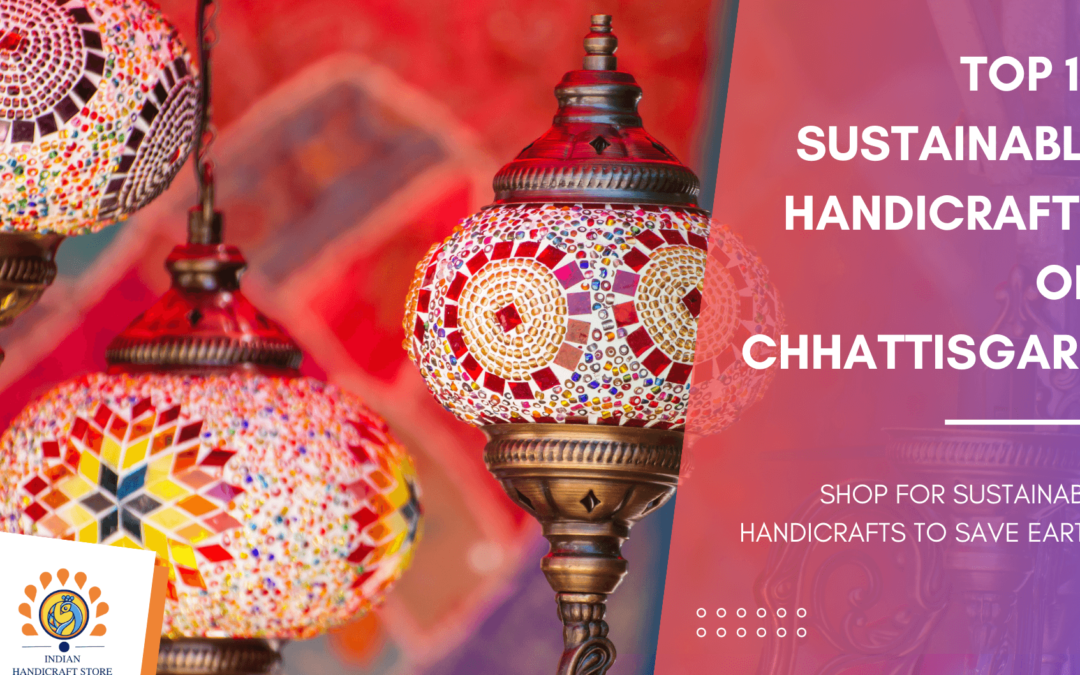
Top 10 Sustainable Handicrafts of Chhattisgarh

Top 10 Sustainable Handicrafts of Chhattisgarh

Chhattisgarh is a state in central India that boasts of a rich cultural heritage and a diverse range of handicrafts. The handicrafts of Chhattisgarh are unique in their design and craftsmanship, and they reflect the creativity and artistry of the state’s skilled artisans.

Here are the top 10 sustainable handicrafts of Chhattisgarh:

Dhokra Art: Dhokra is a traditional art form that is practiced in various parts of Chhattisgarh. It involves the use of the lost-wax casting technique to create intricate brass figurines, which are then given a unique finish.

Bamboo Craft: Bamboo craft is a sustainable handicraft that is practiced by the tribal communities of Chhattisgarh. The artisans use bamboo to create a wide range of products, including baskets, mats, furniture, and decorative items.

Terracotta Pottery: Terracotta pottery is a popular handicraft in Chhattisgarh, and it is practiced by skilled potters who create a range of products, including water pots, lamps, and decorative items.

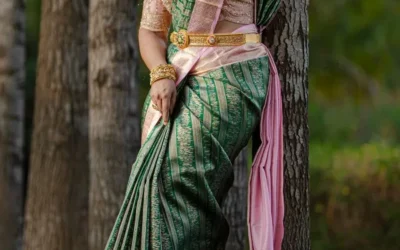
Kosa Silk Sarees: Kosa silk sarees are made from a special variety of silk that is produced in Chhattisgarh. These sarees are known for their unique texture and are often embellished with intricate embroidery.

Bell Metal Craft: Bell metal craft is another traditional handicraft that is practiced in Chhattisgarh. The artisans use a combination of copper and tin to create beautiful brass products, including lamps, utensils, and decorative items.

Wood Carving: Wood carving is a popular handicraft in Chhattisgarh, and it involves the use of a wide range of woods to create intricate designs and patterns. The artisans create a range of products, including furniture, decorative items, and toys.

Jute Craft: Jute craft is a sustainable handicraft that is practiced in various parts of Chhattisgarh. The artisans use jute fibers to create a range of products, including bags, mats, and decorative items.

Stone Carving: Stone carving is a traditional handicraft that is practiced in Chhattisgarh. The artisans use a wide range of stones to create intricate designs and patterns, and they create a range of products, including statues, decorative items, and jewelry.

Sabai Grass Craft: Sabai grass craft is a sustainable handicraft that is practiced in various parts of Chhattisgarh. The artisans use sabai grass to create a range of products, including baskets, mats, and decorative items.

Sisal Craft: Sisal craft is another sustainable handicraft that is practiced in Chhattisgarh. The artisans use sisal fibers to create a range of products, including bags, mats, and decorative items.

Chhattisgarh is a state that is rich in sustainable handicrafts. From Jute craft to wood Carvings, the state’s artisans use traditional techniques and locally sourced materials to create beautiful and eco-friendly handicrafts that support local communities and traditions. These handicrafts not only represent the rich cultural heritage of Jharkhand but also provide sustainable livelihoods for its artisans.

Top 10 Sustainable Handicrafts of West Bengal

Top 10 Sustainable Handicrafts of West Bengal

West Bengal, the eastern state of India, is known for its rich cultural heritage and traditional handicrafts. The state is home to skilled artisans who create unique and sustainable handicrafts using locally sourced materials and traditional techniques.

Here are the top 10 sustainable handicrafts of West Bengal:

Terracotta – Terracotta is a traditional handicraft of West Bengal that involves creating beautiful and eco-friendly items using clay. Artisans use hand tools to mold the clay into different shapes and designs, making items like decorative tiles, figurines, and pots.

Kantha Embroidery – Kantha embroidery is a traditional handicraft of West Bengal that involves creating intricate designs on fabric using needle and thread. The embroidery is used to make clothing, home decor items, and accessories.

Dhokra Craft – Dhokra craft is a traditional handicraft of West Bengal that involves creating beautiful and eco-friendly items using the lost-wax casting technique. The craft is used to make decorative items like figurines, jewelry, and home decor items.

Sholapith Craft – Sholapith craft is a sustainable handicraft that is popular in West Bengal. Artisans use the dried, spongy core of the shola plant to create beautiful and eco-friendly items like flower vases, figurines, and decorative items.

Baluchari Sarees – Baluchari sarees are a traditional handicraft of West Bengal that involves weaving intricate designs on silk fabric using gold and silver threads. The sarees are known for their beautiful motifs and intricate designs.

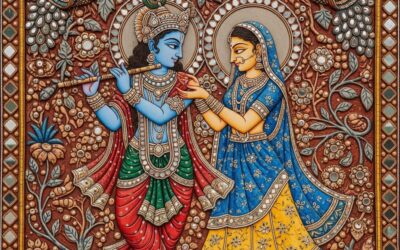
Patachitra Painting – Patachitra painting is a traditional handicraft of West Bengal that involves creating beautiful and eco-friendly designs on cloth or paper using natural pigments. The painting is known for its vibrant colors and unique patterns.

Madur Craft – Madur craft is a sustainable handicraft that is popular in West Bengal. Artisans use the fibers of the madur plant to create beautiful and eco-friendly items like mats, baskets, and other decorative items.

Conch Shell Craft – Conch shell craft is a traditional handicraft of West Bengal that involves creating beautiful and eco-friendly items using the conch shell. The craft is used to make decorative items like bowls, vases, and other decorative items.

Pottery – Pottery is a traditional handicraft of West Bengal that involves creating beautiful and eco-friendly items using clay. Artisans use hand tools to mold the clay into different shapes and designs, making items like decorative tiles, figurines, and pots.

Wooden Craft – Wooden craft is a sustainable handicraft that is popular in West Bengal. Artisans use locally sourced wood to create beautiful and eco-friendly items like furniture, toys, and decorative items.

West Bengal is a state that is rich in sustainable handicrafts. From terracotta to wooden craft, the state’s artisans use traditional techniques and locally sourced materials to create beautiful and eco-friendly handicrafts that support local communities and traditions. These handicrafts not only represent the rich cultural heritage of West Bengal but also provide sustainable livelihoods for its artisans.

Top 10 Sustainable Handicrafts of Jharkhand

Top 10 Sustainable Handicrafts of Jharkhand

Jharkhand, a state located in eastern India, is known for its rich cultural heritage and traditional handicrafts. The state is home to skilled artisans who create unique and sustainable handicrafts using locally sourced materials and traditional techniques.

Here are the top 10 sustainable handicrafts of Jharkhand:

Paitkar Painting – Paitkar painting is a traditional handicraft of Jharkhand that involves creating intricate designs on paper or cloth using natural dyes. The painting is known for its vibrant colors and unique patterns.

Khovar Painting – Khovar painting is another traditional handicraft of Jharkhand that involves creating intricate designs on paper or cloth using natural dyes. The painting is known for its beautiful motifs and designs.

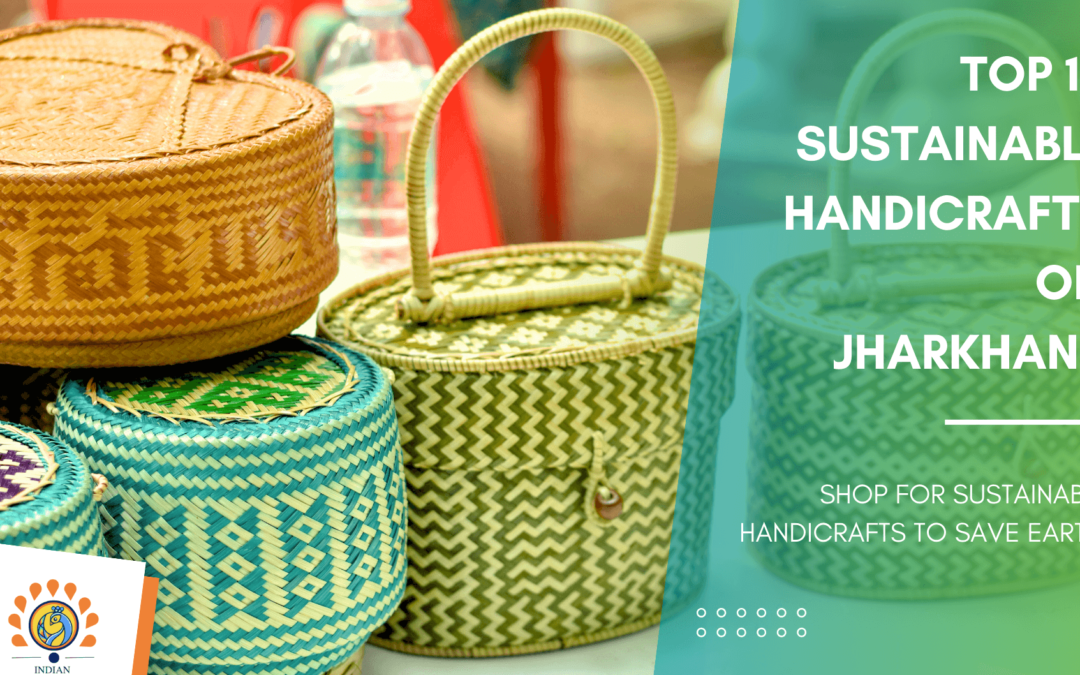
Bamboo Craft – Bamboo craft is a sustainable handicraft that is popular in Jharkhand. Artisans use bamboo to create beautiful and eco-friendly items like baskets, lamps, and furniture.

Sohrai Painting – Sohrai painting is a traditional handicraft of Jharkhand that involves creating beautiful and eco-friendly designs on walls, floors, and other surfaces using natural pigments.

Stone Carving – Stone carving is a sustainable handicraft that is popular in Jharkhand. Artisans use hand tools to carve intricate designs on stone, creating beautiful and unique sculptures.

Wood Carving – Wood carving is a traditional handicraft of Jharkhand that involves creating beautiful and eco-friendly items using locally sourced wood. The wood is carved into different shapes and designs to make decorative items like furniture, toys, and utensils.

Dokra Craft – Dokra craft is a traditional handicraft of Jharkhand that involves creating beautiful and eco-friendly items using the lost-wax casting technique. The craft is used to make decorative items like figurines, jewelry, and home decor items.

Sisal Craft – Sisal craft is a sustainable handicraft that is popular in Jharkhand. Artisans use the fibers of sisal plants to create beautiful and eco-friendly items like baskets, mats, and other decorative items.

Kantha Embroidery – Kantha embroidery is a traditional handicraft of Jharkhand that involves creating intricate designs on fabric using needle and thread. The embroidery is used to make clothing, home decor items, and accessories.

Lacquer Craft – Lacquer craft is a traditional handicraft of Jharkhand that involves creating beautiful and eco-friendly items using the lacquer coating. The craft is used to make decorative items like bowls, vases, and boxes.

Jharkhand is a state that is rich in sustainable handicrafts. From Paitkar painting to Dokra craft, the state’s artisans use traditional techniques and locally sourced materials to create beautiful and eco-friendly handicrafts that support local communities and traditions. These handicrafts not only represent the rich cultural heritage of Jharkhand but also provide sustainable livelihoods for its artisans.

Top 10 Sustainable Handicrafts of Bihar

Top 10 Sustainable Handicrafts of Bihar

Bihar, a state located in eastern India, has a rich cultural heritage that is reflected in its traditional handicrafts. The state is known for its skilled artisans who create unique and sustainable handicrafts using locally sourced materials and traditional techniques. 

Here are the top 10 sustainable handicrafts of Bihar:

Madhubani Painting – Madhubani painting is a traditional handicraft of Bihar that involves creating intricate designs on paper or cloth using natural dyes. The painting is known for its vibrant colors and unique patterns.

Sujni Embroidery – Sujni embroidery is a traditional handicraft of Bihar that involves creating intricate designs on fabric using needle and thread. The embroidery is known for its beautiful motifs and designs.

Sikki Grass Craft – Sikki grass craft is a traditional handicraft of Bihar that involves creating beautiful and eco-friendly items using dried grass. The grass is woven into baskets, mats, and other decorative items.

Stone Carving – Stone carving is a sustainable handicraft that is popular in Bihar. Artisans use hand tools to carve intricate designs on stone, creating beautiful and unique sculptures.

Tikuli Art – Tikuli art is a traditional handicraft of Bihar that involves creating beautiful designs on glass using special paint. The art is used to make jewelry, home decor items, and other decorative items.

Applique Work – Applique work is a traditional handicraft of Bihar that involves creating designs on fabric by cutting and stitching different pieces of fabric together. The applique work is used to make clothing, home decor items, and accessories

Bamboo Craft – Bamboo craft is a sustainable handicraft that is popular in Bihar. Artisans use bamboo to create beautiful and eco-friendly items like baskets, lamps, and furniture.

Paper Mache – Paper mache is a traditional handicraft of Bihar that involves creating beautiful and eco-friendly items using paper pulp. The pulp is molded into different shapes and designs to make decorative items like vases, bowls, and masks.

Leather Work – Leather work is a sustainable handicraft that is popular in Bihar. Artisans use locally sourced leather to create beautiful and durable items like bags, belts, and shoes.

Terracotta Pottery – Terracotta pottery is a traditional handicraft of Bihar that involves creating functional items like bowls, plates, and cups using locally sourced clay. The pottery is known for its unique designs and eco-friendliness.

Bihar is a state that is rich in sustainable handicrafts. From Madhubani painting to Sikki grass craft, the state’s artisans use traditional techniques and locally sourced materials to create beautiful and eco-friendly handicrafts that support local communities and traditions. These handicrafts not only represent the rich cultural heritage of Bihar but also provide sustainable livelihoods for its artisans.

Top 10 Sustainable Handicrafts of Gujarat

Top 10 Sustainable Handicrafts of Gujarat

Gujarat, a state located in western India, has a rich history and culture that is reflected in its traditional handicrafts. The state is known for its skilled artisans who create unique and sustainable handicrafts using locally sourced materials and traditional techniques.

Here are the top 10 sustainable handicrafts of Gujarat:

Bandhani – Bandhani is a traditional handicraft of Gujarat that involves tie-dyeing fabric using natural dyes. Artisans use a variety of techniques to create intricate designs on fabrics like sarees, dupattas, and scarves.

Kutchi Embroidery – Kutchi embroidery is a traditional handicraft of Gujarat that involves creating intricate designs on fabric using needle and thread. The embroidery is known for its vibrant colors and intricate patterns.

Patola Weaving – Patola weaving is a traditional handicraft of Gujarat that involves creating intricate patterns on silk fabric using the tie-dye technique. The weaving process is time-consuming and requires great skill.

Block Printing – Block printing is a sustainable handicraft that is popular in Gujarat. Artisans use hand-carved blocks to print intricate designs onto fabrics like cotton and silk, creating beautiful and unique textiles.

Wood Carving – Wood carving is a traditional handicraft of Gujarat, and artisans create intricate designs on wood using hand tools. The carved wood is used to make furniture, decorative items, and toys.

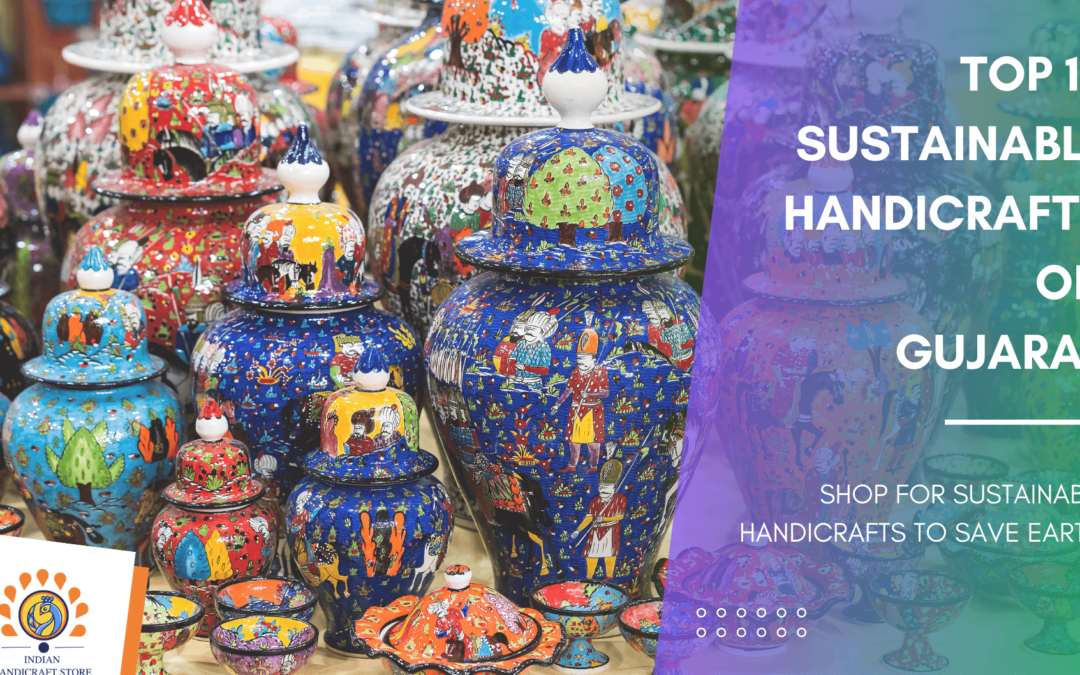
Pottery – Pottery is a sustainable handicraft that is popular in Gujarat. Artisans use locally sourced clay to create functional items like bowls, plates, and cups.

Embossed and Engraved Metalwork – Embossed and engraved metalwork is a traditional handicraft of Gujarat that involves creating intricate designs on metal using hand tools. The metal is used to make jewelry, decorative items, and utensils.

Beadwork – Beadwork is a traditional handicraft of Gujarat that involves creating intricate designs on fabric or thread using beads. The beadwork is used to make jewelry, clothing, and decorative items.

Applique Work – Applique work is a traditional handicraft of Gujarat that involves creating designs on fabric by cutting and stitching different pieces of fabric together. The applique work is used to make clothing, home decor items, and accessories.

Embroidered Footwear – Embroidered footwear is a traditional handicraft of Gujarat, and artisans create beautiful and comfortable shoes using locally sourced leather and fabric. The shoes are embroidered with intricate designs using needle and thread.

Gujarat is a state that is rich in sustainable handicrafts. From Bandhani to Patola weaving, the state’s artisans use traditional techniques and locally sourced materials to create beautiful and eco-friendly handicrafts that support local communities and traditions. These handicrafts not only represent the rich cultural heritage of Gujarat but also provide sustainable livelihoods for its artisans.