by IHS | Jan 19, 2026 | Uncategorized
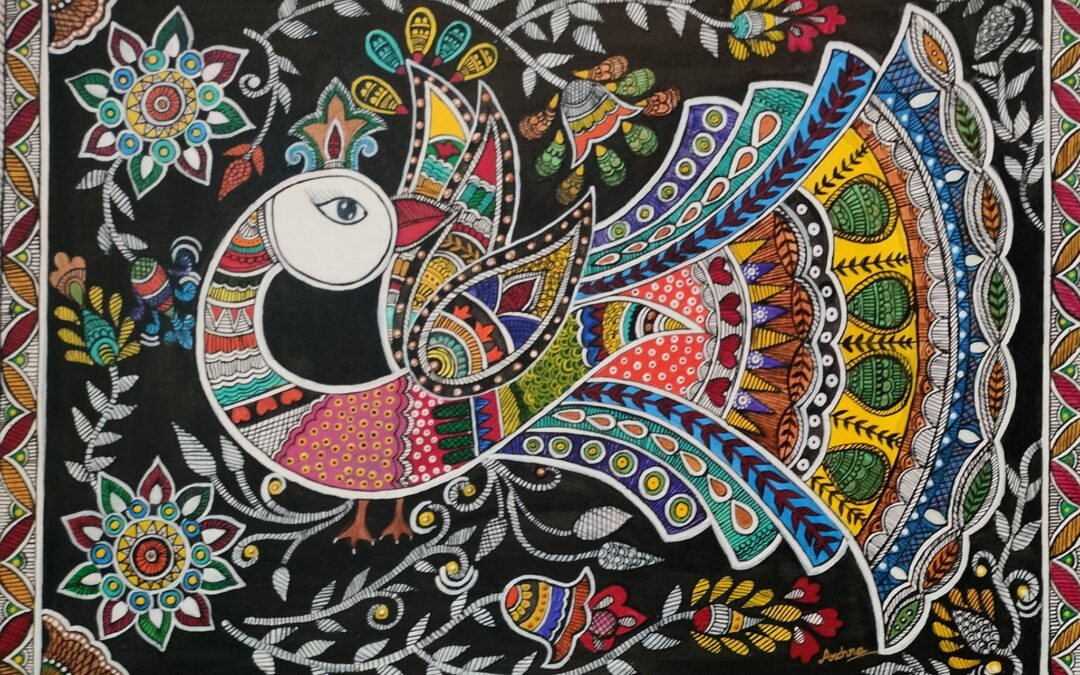
India’s cultural richness is best reflected through its traditional art forms, and Madhubani handicrafts stand as a powerful symbol of this heritage. Originating from the Mithila region of Bihar, Madhubani art is more than decoration; it is a visual language that narrates stories of mythology, nature, and daily life. In today’s world of mass production, Madhubani handicrafts have gained renewed importance as consumers seek authenticity, sustainability, and cultural connection.
Madhubani art, also known as Mithila painting, has a history dating back several centuries. Traditionally practiced by women on the walls and floors of their homes, this art form was used to depict religious rituals, festivals, and important life events. The paintings commonly illustrate themes from the Ramayana, Mahabharata, Hindu deities, animals, birds, and natural elements, making each piece deeply symbolic and culturally meaningful.
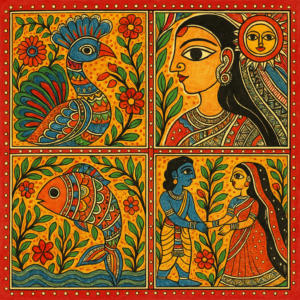
One of the most distinctive features of Madhubani handicrafts is the use of natural colours and materials. Artists traditionally use dyes extracted from plants, flowers, and minerals, making the art form eco-friendly and sustainable. The bold outlines, intricate geometric patterns, and vibrant colours give Madhubani art its unique visual identity. Each symbol used in the artwork carries meaning—for example, fish represent prosperity and fertility, while peacocks symbolise love and harmony.
In modern times, Madhubani art has evolved beyond wall paintings and is now used across a wide range of handicraft products such as wall décor, paintings, textiles, apparel, and lifestyle accessories. These handcrafted items blend beautifully with contemporary interiors, adding warmth, tradition, and storytelling to modern living spaces. Designers and consumers alike appreciate Madhubani handicrafts for their ability to combine traditional aesthetics with modern functionality.
Madhubani handicrafts also play an important role in promoting sustainable and ethical consumption. By choosing handcrafted products, consumers support local artisans, preserve traditional skills, and contribute to rural employment. This art form aligns perfectly with the growing global demand for environmentally responsible and socially conscious products.
At IndianHandicraftStore, we curate authentic Madhubani handicrafts sourced directly from artisan communities in Bihar. Each product reflects originality, craftsmanship, and cultural integrity while ensuring quality and fair value for both artisans and customers.
In conclusion, Madhubani handicrafts are not just artistic creations but cultural expressions that connect the past with the present. They represent tradition, sustainability, and timeless storytelling. Choosing Madhubani handicrafts means embracing India’s rich heritage while supporting artisans and conscious living.
Explore the exclusive Madhubani handicraft collection at IndianHandicraftStore and bring home art that tells a story of tradition, culture, and creativity.
by IHS | Jan 19, 2026 | Uncategorized
Introduction
Indian handicrafts represent centuries of cultural heritage, creativity, and skilled craftsmanship. Each handmade product reflects the traditions of different regions of India and carries the legacy of artisans who have passed their skills through generations.
Rich Cultural Heritage
Indian handicrafts showcase the diversity of Indian culture. From pottery and weaving to metalwork and wood carving, each craft tells a unique story influenced by local traditions, history, and community values.
Sustainable and Eco-Friendly Practices
Most Indian handicrafts are made using natural raw materials such as clay, wood, cotton, and natural dyes. These eco-friendly practices reduce environmental impact and promote sustainable consumption.
Supporting Local Artisans
Purchasing handicrafts directly supports local artisans and rural communities. It provides employment opportunities, preserves traditional skills, and encourages economic self-reliance among craftsmen.
Relevance in Modern Lifestyle
Indian handicrafts blend beautifully with modern interiors and fashion trends. Their uniqueness and authenticity make them valuable additions to contemporary homes while maintaining cultural roots.
Conclusion
Indian handicrafts are more than decorative items; they are symbols of tradition, sustainability, and human creativity. By choosing handicrafts, consumers contribute to cultural preservation and support ethical and sustainable practices.
BY: Jainish Verma (24040)
by IHS | Jan 19, 2026 | Uncategorized
Indian handicrafts are not just items used for decoration or daily needs; they are a reflection of India’s rich culture, history, and traditions. Each handicraft product is made with patience, creativity, and skill that has been passed down from one generation to another. Unlike machine-made products, handicrafts carry emotions, stories, and the hard work of artisans. In today’s fast-paced world of mass production, Indian handicrafts remind us of the beauty of handmade work and the importance of preserving our cultural heritage.
Indian handicrafts also represent the diversity of India. Every state has its own style, materials, and techniques. From wooden crafts of Rajasthan to clay pottery of West Bengal and handloom textiles of South India, each product tells a unique story. Choosing handicrafts is not just a shopping decision—it is a conscious choice to value tradition, sustainability, and craftsmanship.
Cultural Value of Indian Handicrafts
Indian handicrafts hold deep cultural significance. They are closely connected to festivals, rituals, and everyday life in India. For example, diyas are used during Diwali, handwoven fabrics are worn during weddings, and brass idols are used in religious ceremonies. These products are not randomly designed; they are inspired by traditions, local beliefs, and regional art forms.
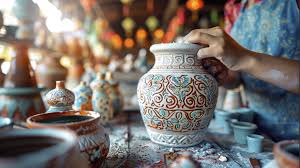
Many handicraft techniques are centuries old. Art forms like Madhubani painting, blue pottery, block printing, and terracotta work have survived because artisans continue to practice them with dedication. These crafts showcase India’s artistic excellence and creativity. When we buy handicraft products, we help keep these traditional art forms alive.
Importance of Supporting Local Artisans
Local artisans are the backbone of the Indian handicraft industry. Many artisans come from rural and semi-urban areas and depend on handicraft work as their primary source of income. However, due to increasing demand for cheap, machine-made products, many artisans struggle to earn a stable livelihood.
By supporting local artisans, we help them become financially independent and self-reliant. When artisans receive fair payment for their work, they are encouraged to continue their craft and pass it on to future generations. This not only improves their standard of living but also helps in reducing unemployment in rural areas.
Why Choose IndianHandicraftStore
One of the biggest advantages of IndianHandicraftStore is trust and authenticity. Customers can be assured that they are purchasing original handcrafted items and not mass-produced replicas. The platform also supports fair trade practices, ensuring that artisans receive proper compensation for their hard work.
IndianHandicraftStore supports the “Vocal for Local” initiative by encouraging people to buy Indian-made products. With easy online access, attractive product collections, and a strong focus on quality, the store makes it convenient for customers to support Indian artisans while enjoying beautiful handcrafted items.
CONCLUSION
Indian handicrafts are much more than simple products—they are a symbol of tradition, culture, creativity, and sustainability. Every handcrafted item carries the story of an artisan’s dedication and India’s rich heritage. In a world dominated by mass production, handicrafts remind us of the value of handmade work and human effort.
By choosing Indian handicrafts and platforms like IndianHandicraftStore, we contribute to preserving traditional art forms, supporting local artisans, and promoting sustainable living. Buying handicrafts is not just a purchase; it is a step toward keeping India’s cultural heritage alive for future generations.
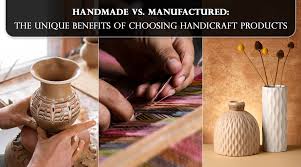
Author – Muskan Chauhan
by IHS | Jan 19, 2026 | Uncategorized
Introduction
Indian handicrafts still have significant cultural and emotional value in today’s world of mass production and fast fashion. These handcrafted goods embody India’s customs, inventiveness, and expert craftsmanship; they are more than just decorative or everyday objects. Craftspeople who have passed down their skills through the generations work diligently and patiently to create each handicraft. These traditional goods are now available to contemporary customers thanks to online retailers like IndianHandicraftsStore. Selecting Indian handicrafts encourages sustainable living, empowers regional craftspeople, and supports cultural heritage.
The Cultural Importance of Indian Handicrafts
India’s rich diversity is reflected in its handicrafts. Each area has its own artistic mediums, supplies, and methods. These goods, which range from metal crafts and wooden carvings to handwoven textiles and ceramics, tell tales influenced by everyday life, festivals, and the natural world. Traditional Indian handicrafts are made by hand using age-old techniques and manual skills, in contrast to manufactured goods. They are crucial to maintaining India’s cultural identity and transferring traditional knowledge to the next generation.
Supporting Local Artisans in India
Purchasing Indian handicrafts directly supports local Indian artisans, which is one of the main benefits. Handicrafts are the primary source of income for many artisans. However, their livelihood is frequently impacted by competition from mass-produced goods. By bringing together craftspeople and consumers nationwide, platforms such as IndianHandicraftsStore aid in closing this gap. Customers who purchase handmade goods enable craftspeople to continue their work with dignity and confidence while earning fair compensation.
Why Handmade Products Are a Sustainable Choice
Handmade goods are distinctive, significant, and eco-friendly. The majority of Indian handicrafts are produced using traditional techniques and natural materials, which lessens their negative effects on the environment. Handcrafted goods use less energy and produce less waste than factory-made goods. Because each handmade item is unique, it has emotional significance and a personal touch. Selecting sustainable handicrafts encourages eco-friendly behaviors and responsible consumption.
Conclusion
Indian handicrafts are far more than just basic goods. They stand for custom, ingenuity, and the diligence of Indian craftspeople. Customers who purchase handcrafted goods support regional artists, conserve cultural heritage, and advance sustainability. Indian handicrafts serve as a reminder of the value of making thoughtful decisions and the beauty of handcrafted goods in a market where mass production predominates.
Author-Mansi Garg
by IHS | Jan 19, 2026 | Uncategorized
 India is a land of rich culture, traditions, and history. One of the most beautiful reflections of this heritage is Indian handicrafts. From colorful textiles and pottery to wooden carvings and metalwork, Indian handicrafts tell stories that have been passed down through generations. Each handmade product represents the skill, patience, and creativity of Indian artisans.
In today’s fast-moving world of machines and mass production, handmade Indian handicrafts continue to hold a special place. They are not just products; they are symbols of India’s cultural identity and artistic legacy.
The Rich Tradition of Indian Handicrafts
Indian handicrafts have a history that goes back thousands of years. Every region of India is known for its unique art form. For.jpg) example, Madhubani paintings from Bihar, Blue Pottery from Rajasthan, Chikankari embroidery from Uttar Pradesh, and Terracotta art from West Bengal are famous across the world.
example, Madhubani paintings from Bihar, Blue Pottery from Rajasthan, Chikankari embroidery from Uttar Pradesh, and Terracotta art from West Bengal are famous across the world.
These crafts are deeply connected to local culture, festivals, and traditions. The designs, patterns, and colors often represent stories from mythology, nature, and everyday village life. This is what makes Indian handicrafts truly special and meaningful.
The Role of Artisans in Preserving Heritage
 Behind every handmade product is an artisan who has learned the craft through years of practice. Many artisans inherit these skills from their parents and grandparents. Craft making is not just a profession for them; it is a way of life.
However, artisans face many challenges today, such as low income, lack of exposure, and competition from machine-made goods. By supporting handmade handicrafts, we help artisans earn a stable livelihood and continue their traditional art forms. This support plays a crucial role in preserving India’s heritage.
Why Handmade Products Are Special
Handmade handicrafts are unique because no two products are exactly the same. Each item has a personal touch that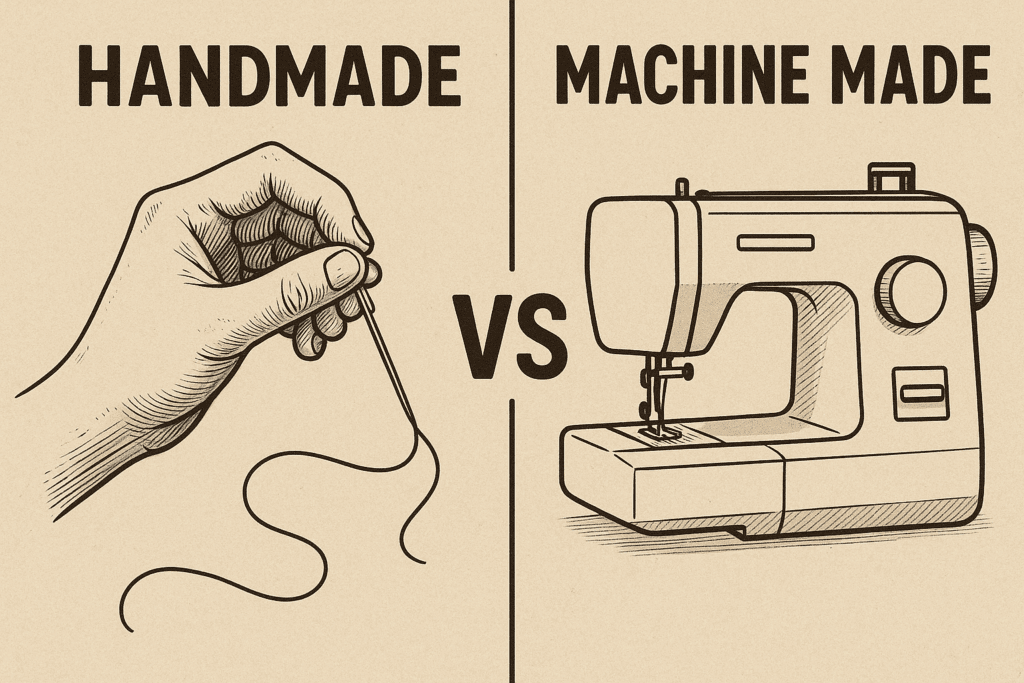 cannot be replicated by machines. Small imperfections actually add to the charm and authenticity of handmade products.
Unlike factory-made goods, handicrafts are created with care, creativity, and attention to detail. When you buy a handmade product, you are buying something original, meaningful, and made with love.
Sustainability and Eco-Friendly Nature
Another important benefit of Indian handicrafts is sustainability. Most handicrafts are made using natural materials such as clay, wood, cotton, jute, and metal. The production process consumes less energy and creates minimal pollution.
Handmade products promote eco-friendly living and reduce dependence on plastic and harmful materials. Choosing handicrafts is not only good for culture but also for the environment.
Indian Handicrafts in the Global Market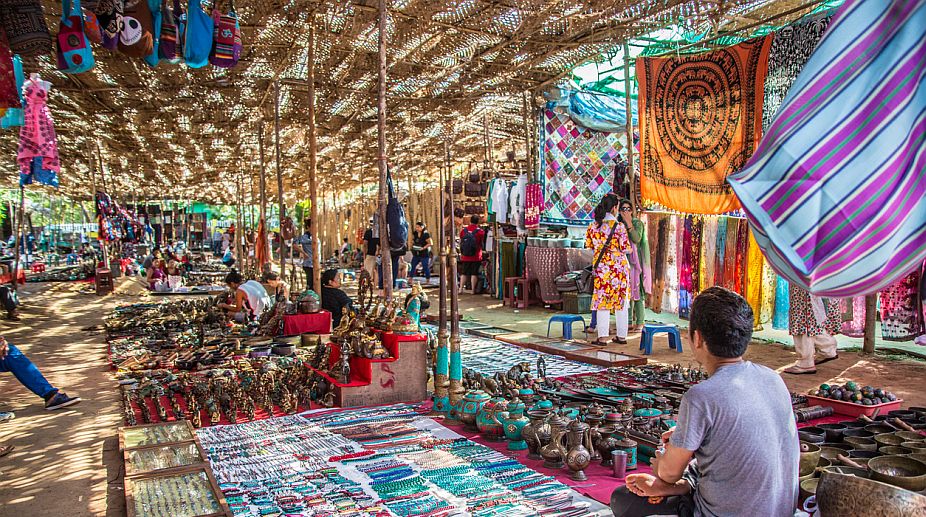
Indian handicrafts are highly appreciated across the globe for their quality and artistic value. With the growth of e-commerce and digital platforms, artisans now have better opportunities to reach international customers.
Online platforms like IndianHandicraftStore help connect artisans directly with buyers. This not only increases sales but also spreads awareness about India’s rich craft heritage worldwide.
Why Choose IndianHandicraftStore
IndianHandicraftStore is dedicated to promoting authentic handmade Indian products. The platform supports skilled artisans by providing them with a digital marketplace to showcase their work. Every product sold contributes to preserving traditional art forms and improving artisans’ livelihoods.
By choosing IndianHandicraftStore, customers get:
-
Authentic handmade products
-
High-quality craftsmanship
-
Sustainable and eco-friendly items
-
A chance to support local artisans
Conclusion
Indian handicrafts are more than decorative items—they are a living heritage of India. They reflect the country’s diversity, creativity, and cultural depth. In a world dominated by mass production, handmade crafts remind us of the beauty of human effort and tradition.
By supporting handmade Indian handicrafts, we play a small but meaningful role in preserving India’s heritage for future generations. Let us celebrate, promote, and protect the art that defines the soul of India.
Tanisha Singhania
MABSPG24057
by IHS | Jan 16, 2026 | Uncategorized
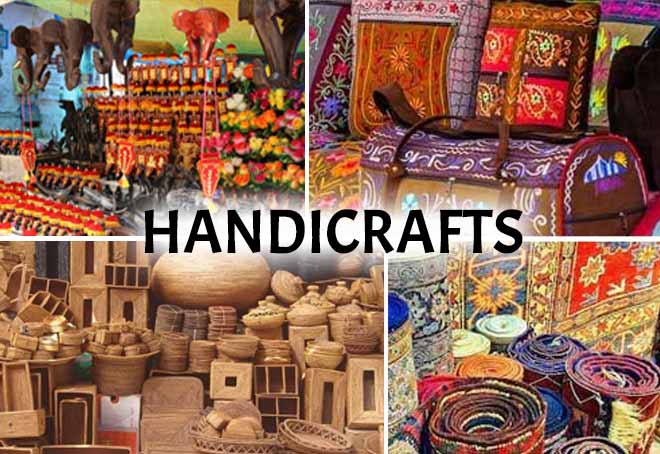 In today’s fast-paced world, most products are made in factories using machines. These mass-produced goods are cheaper, easily available, and produced in large quantities. However, in this age of machines and speed, Indian handicrafts continue to hold special importance. Indian handicrafts represent tradition, creativity, and human effort. They reflect the cultural identity of India and the skills of artisans passed down through generations. This blog explains why Indian handicrafts still matter in the age of mass production and why they deserve appreciation and support.
Understanding Mass Production and Its Limitations
Mass production involves manufacturing goods on a large-scale using machines and assembly lines. While this method reduces cost and saves time, it often results in products that lack originality and emotional value. Machine-made items are usually identical and designed for quick use and disposal.
For example, factory-made home décor or clothes may look attractive, but they do not carry the cultural depth and craftsmanship seen in handmade products. Mass production also increases environmental pollution and reduces employment opportunities for skilled artisans.
Uniqueness and Authenticity of Indian Handicrafts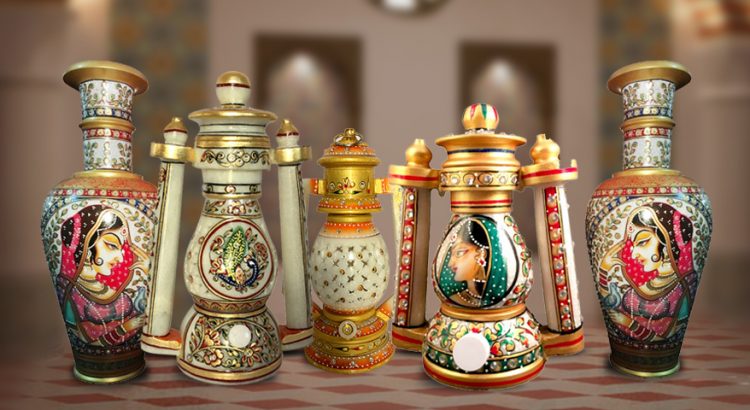
One of the strongest reasons Indian handicrafts matter is their uniqueness. Each handicraft item is made by hand and carries the personal touch of the artisan. No two products are exactly the same. A handwoven Banarasi saree, a hand-painted Madhubani artwork, or blue pottery from Jaipur reflects detailed craftsmanship and traditional knowledge. These items take days or even weeks to complete, making them special and valuable in a world of instant products.
Cultural and Traditional Significance
Indian handicrafts are closely linked to the country’s traditions, festivals, and daily life. They tell stories of history, beliefs, and regional identities. For instance, terracotta lamps are used during Diwali, Pattachitra paintings depict mythological tales, and Warli paintings show tribal life and harmony with nature. Through these crafts, cultural traditions are preserved and passed on to future generations.
Employment and Rural Livelihood Support
Handicrafts play an important role in providing employment, especially in rural areas. Millions of artisans depend on handicrafts for their livelihood. A weaver in Varanasi, a metal artisan in Moradabad, or an embroiderer in Kutch relies on this work to support their family. Unlike mass production, handicrafts encourage skill-based employment and promote self-reliance among artisans.
Sustainability and Environmental Benefits
 Indian handicrafts are generally eco-friendly because they use natural materials and traditional methods. They require less energy and produce less waste compared to factory-made products. For example, handloom textiles, clay pottery, and wooden toys are biodegradable and sustainable. In an age where environmental concerns are increasing, handicrafts offer a responsible and green alternative to mass-produced goods.
Emotional Value and Human Connection
Handicrafts carry emotions and stories. Every handmade item reflects the effort, patience, and dedication of the artisan. This human connection makes handicrafts more meaningful than machine-made products. Owning a hand-embroidered shawl or a handcrafted painting often creates a personal bond with the product. Such items are not easily replaced, unlike mass-produced goods.
Role of Consumers in Preserving Handicrafts
Consumers also have a responsibility in preserving Indian handicrafts. By choosing handmade products, people support artisans and encourage traditional skills. Buying handloom fabrics, handcrafted décor items, or traditional paintings helps keep handicrafts relevant in modern society. Small choices by consumers can make a big difference.
Conclusion
In the age of mass production, Indian handicrafts stand as a symbol of culture, creativity, and sustainability. While machines offer speed and uniformity, they cannot replace the warmth and authenticity of handmade products. Supporting Indian handicrafts means preserving tradition, supporting artisans, and choosing a more meaningful way of living. Indian handicrafts are not just products; they are stories created by human hands, and they deserve to be valued and protected.
Tanisha Singhania (MABSPG24057)