Download 1xBet Registration: Practical Guide for U.S. Players
Why 1xBet Is Gaining Traction in the United States
1xBet has become one of the fastest‑growing betting platforms worldwide, offering a massive sportsbook, live casino, and a sleek mobile app. American players are attracted by the breadth of markets, from NFL and NBA to exotic e‑sports titles, plus a live casino that streams real‑time dealers. The brand also pushes frequent promotions, which can turn a modest first deposit into a sizable bankroll when the wagering requirements are reasonable. However, the U.S. regulatory landscape is a patchwork, so you must verify that your state permits online betting before you start the download process.
Beyond sheer variety, 1xBet invests heavily in security: data encryption, two‑factor authentication, and a licensing regime that includes Curacao and other jurisdictions. Those safeguards matter when you hand over personal details during the download 1xbet registration flow. In short, the platform tries to blend the excitement of a global casino with the safety expectations of a modern American gambler.
Step 1 – Check Device Compatibility and Legal Access
Before you even click the download button, make sure your device meets the minimum requirements. The app runs on Android 5.0+ and iOS 11+, and it needs at least 150 MB of free storage for the installation files and cached game data. If you’re on a desktop, the web version works in Chrome, Firefox, or Edge, but the full experience—especially live casino—shifts to the mobile app once you complete registration.
Next, confirm that online betting is legal in your state. While 1xBet accepts players from most U.S. jurisdictions, some states still prohibit real‑money gambling altogether. A quick search on the state gaming commission website will tell you if you can place sports wagers or casino bets legally. Ignoring this step can lead to account freezes or loss of winnings later on.
Step 2 – Download the 1xBet App and Initiate Registration
Visit the official 1xBet website using a secure browser.
Locate the “Download” button that matches your operating system (Android or iOS).
For Android, you’ll receive an APK file; you must allow installations from “unknown sources” in your settings.
For iOS, the link redirects you to the TestFlight page where you can install the beta app.
After the app installs, open it and tap “Sign Up” to start the registration wizard.
The registration screen asks for basic details—name, email, phone number, and a secure password. 1xBet also offers social sign‑up via Google or Facebook, which can speed up the process but still requires you to confirm your identity later. Remember to use an email you check regularly; all verification codes and bonus notifications land there.
Step 3 – Complete Verification (KYC) to Unlock Full Features
Most of the platform’s functions, especially withdrawals, stay locked until you pass the Know‑Your‑Customer (KYC) check. Prepare a scanned copy of a government‑issued ID (driver’s license or passport) and a utility bill showing your address. Upload these documents through the “Verification” tab in the app, and you’ll usually hear back within 24‑48 hours.
If the verification fails, the support team will send a short message explaining what to fix. Common issues include blurry scans, mismatched names, or outdated documents. Once approved, you can enjoy the full bonus package and place higher stakes without interruption.
Bonuses and Promotions You Can Claim After Registration
When you finish the download 1xbet registration, the platform greets you with a welcome bonus that often matches your first deposit 100 % up to $200. The wagering requirement is typically 30x the bonus amount, which is average for the industry. Keep an eye on the “Promotions” section for daily free bets, cash‑back on sports losses, and “no‑deposit” spins for the live casino.
All bonuses come with terms you must read: some exclude certain games, others restrict withdrawal until you meet the wagering threshold. A practical tip is to use the bonus on low‑variance slots or modest sports bets to meet the requirements without risking too much of your own capital.
Payment Methods, Deposits, and Withdrawal Speed
1xBet supports a wide range of deposit options, from traditional credit cards to e‑wallets like Skrill and Neteller. For U.S. players, the most reliable methods are Visa, Mastercard, and PayPal (where available). Deposits are processed instantly, letting you jump straight into betting.
When it comes time to cash out, the speed depends on the chosen method. E‑wallet withdrawals often arrive within 24 hours, while bank transfers can take 3‑5 business days. Below is a quick comparison of the most common methods:
Method
Deposit Speed
Withdrawal Speed
Fees
Visa / Mastercard
Instant
2‑4 business days
None
Skrill / Neteller
Instant
24‑48 hours
None
Bank Transfer
Instant
3‑5 business days
Possible processing fee
Mobile Experience and App Features
The 1xBet mobile app mirrors the desktop layout but adds a few conveniences for on‑the‑go players. You can place live bets with seconds left on the clock, watch high‑definition streams of sports events, and switch to the live casino with a single tap. The app also supports push notifications for bet confirmations, bonus offers, and security alerts.
Because the app is built on a hybrid framework, it runs smoothly on both Android and iOS devices. The interface is customizable: you can reorder sport categories, set favourite games, and even change the colour theme to dark mode for late‑night sessions. All these features aim to keep the user engaged without sacrificing performance.
Customer Support, Security, and Responsible Gambling
1xBet offers 24/7 live chat, email support, and a comprehensive FAQ that covers everything from account verification to bonus terms. When you need help, the chat window opens directly inside the app, so you don’t have to leave the betting flow. The support agents are fluent in English and usually resolve issues within a few minutes.
Security is reinforced by SSL encryption, regular security audits, and a dedicated fraud‑prevention team. If you feel you’re gambling too much, the platform provides self‑exclusion tools, deposit limits, and links to responsible‑gambling organisations. Using these features early can help you keep play enjoyable and safe.
Quick Reference: Key Facts About 1xBet for U.S. Players
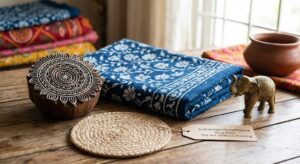
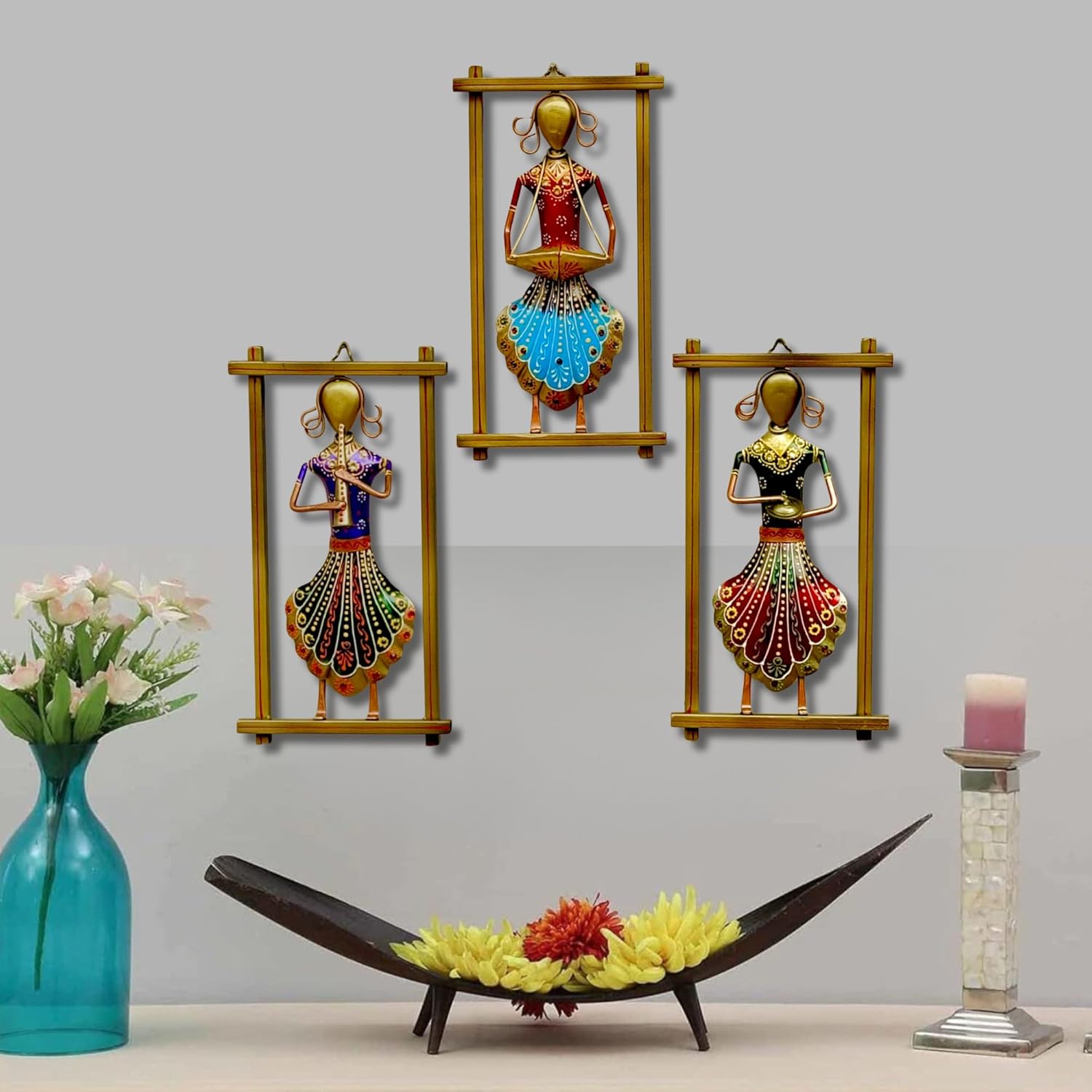
Indian handicrafts have gained international recognition for their authenticity, quality, and cultural value. In a world dominated by mass production, handcrafted Indian products stand out for their originality and artistic excellence.
From handwoven carpets and embroidered textiles to wooden carvings and metal artifacts, Indian handicrafts attract global buyers seeking ethical and sustainable products. Countries such as the USA, UK, Germany, and France import Indian handicrafts for home décor, fashion, and gifting purposes. The global demand has helped Indian artisans earn better incomes and gain respect for their skills.
The digital revolution has further transformed the handicraft industry. E-commerce platforms, social media, and digital exhibitions allow artisans and small businesses to showcase their work worldwide. Storytelling through blogs and videos helps customers connect emotionally with the craft and the artisan behind it.
However, the sector still faces challenges such as competition from cheap machine-made replicas, lack of awareness, and limited access to modern design trends. To overcome these challenges, collaboration between designers, government bodies, and artisans is essential.
Indian handicrafts represent a perfect blend of tradition and innovation. With the right support and appreciation, they can continue to shine globally while preserving India’s cultural legacy for future generations.
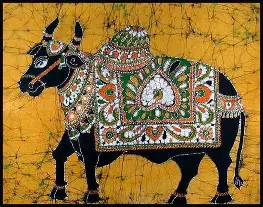
India is a land of rich cultural diversity, and this diversity is beautifully reflected in its handicrafts. Indian handicrafts are not just decorative items; they are living traditions passed down through generations, preserving history, skills, and regional identities.
Each state in India has its own unique craft forms. Rajasthan is famous for blue pottery, block printing, and leatherwork. Kashmir is known for intricate Pashmina shawls and papier-mâché art. West Bengal showcases fine terracotta and Kantha embroidery, while Gujarat is admired for its mirror work and bandhani textiles. These crafts reflect local customs, climate, and resources.
Indian handicrafts are largely handmade using traditional tools and natural materials such as clay, wood, cotton, silk, and metals. Artisans spend weeks or even months creating a single piece, highlighting patience, precision, and creativity. Unlike machine-made products, every handicraft item carries a personal touch and uniqueness.
In today’s modern world, Indian handicrafts play an important role in promoting sustainable and eco-friendly practices. By supporting handcrafted products, consumers contribute to rural employment, women empowerment, and the preservation of traditional art forms. Government initiatives, exhibitions, and online marketplaces are helping artisans reach global audiences.
Indian handicrafts are a true symbol of India’s heritage—timeless, meaningful, and deeply rooted in tradition. Preserving them is not just about saving art, but about protecting the livelihoods and identities of millions of artisans.
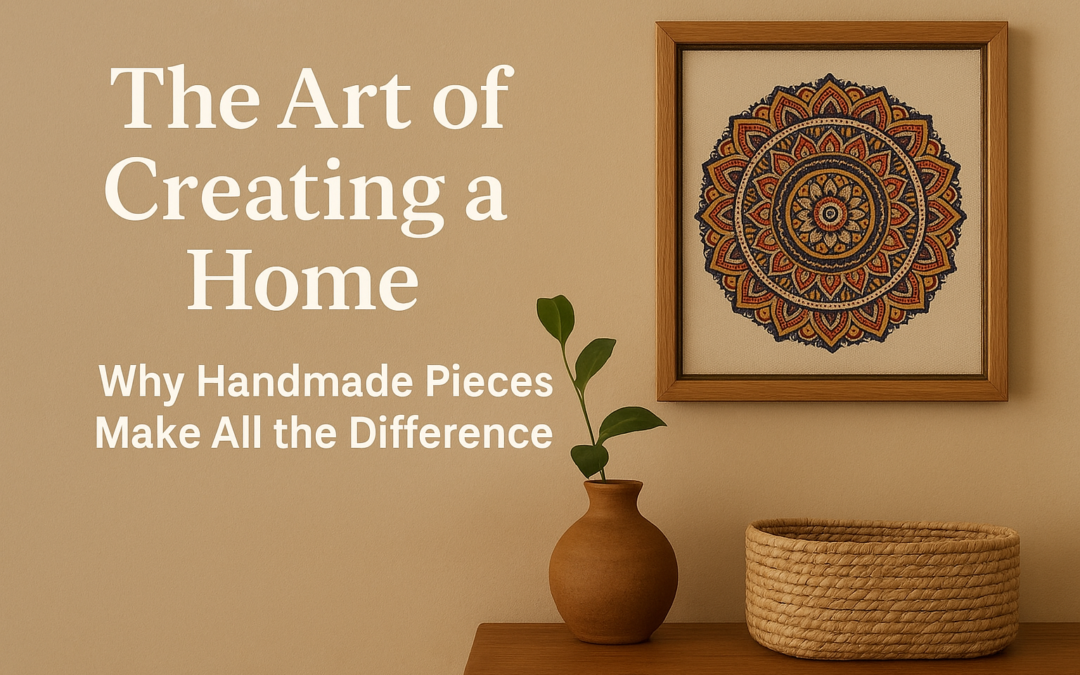
Handmade vs Machine-Made Décor: Why the Difference Matters More Than We Realize
I don’t know about you, but I’ve always felt that a space should feel like someone lives there — not like a catalog display.
And over the years, especially while exploring art and décor, I’ve noticed one thing: There’s a world of difference between something made by a machine… and something touched by human hands.
Sometimes, you don’t even have to know the story behind a handmade piece — you can feel it.
The Soul in Handmade Decor
Handmade decor isn’t just about decor. It’s about intention. Time. Emotion. Culture.
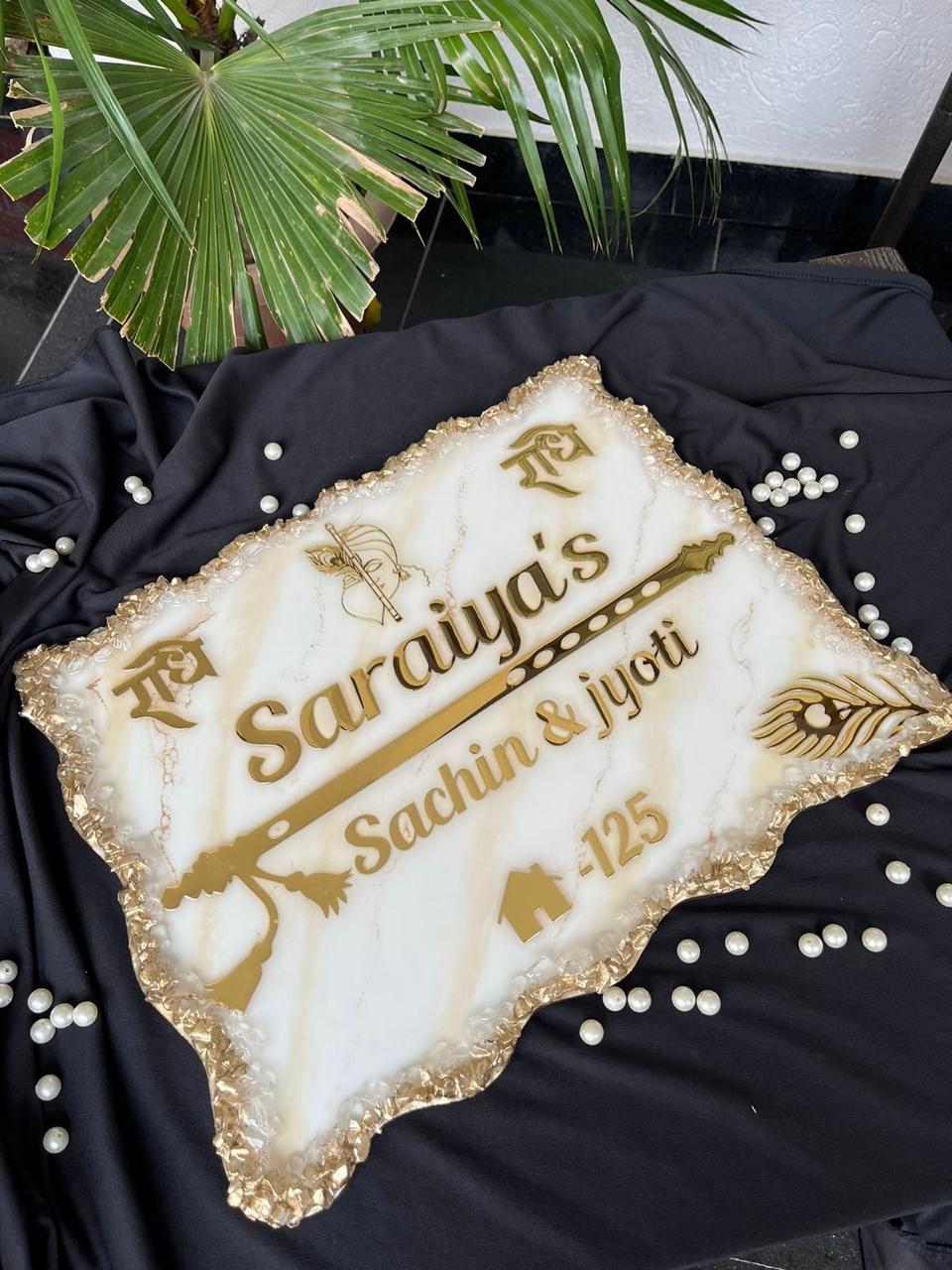
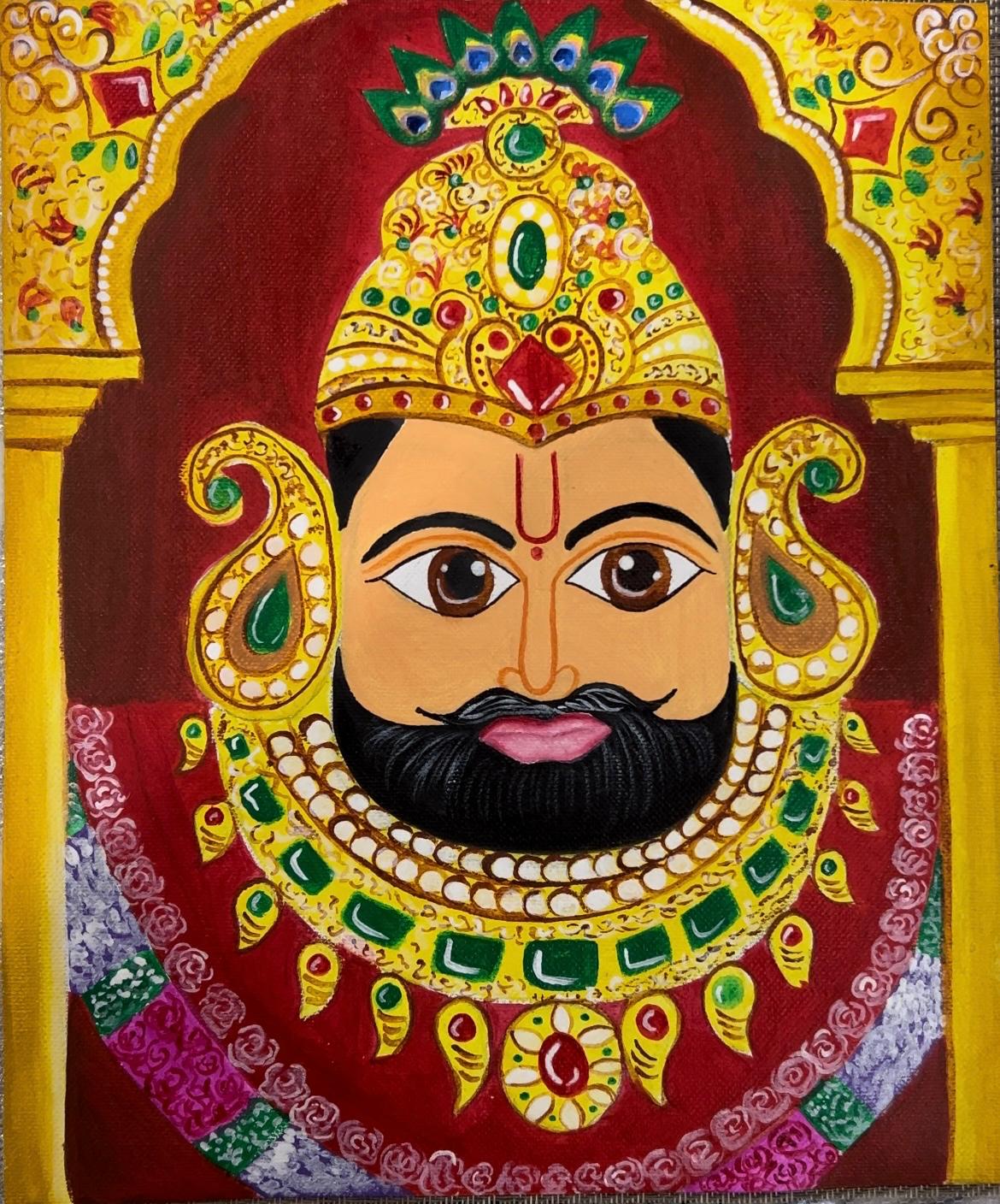
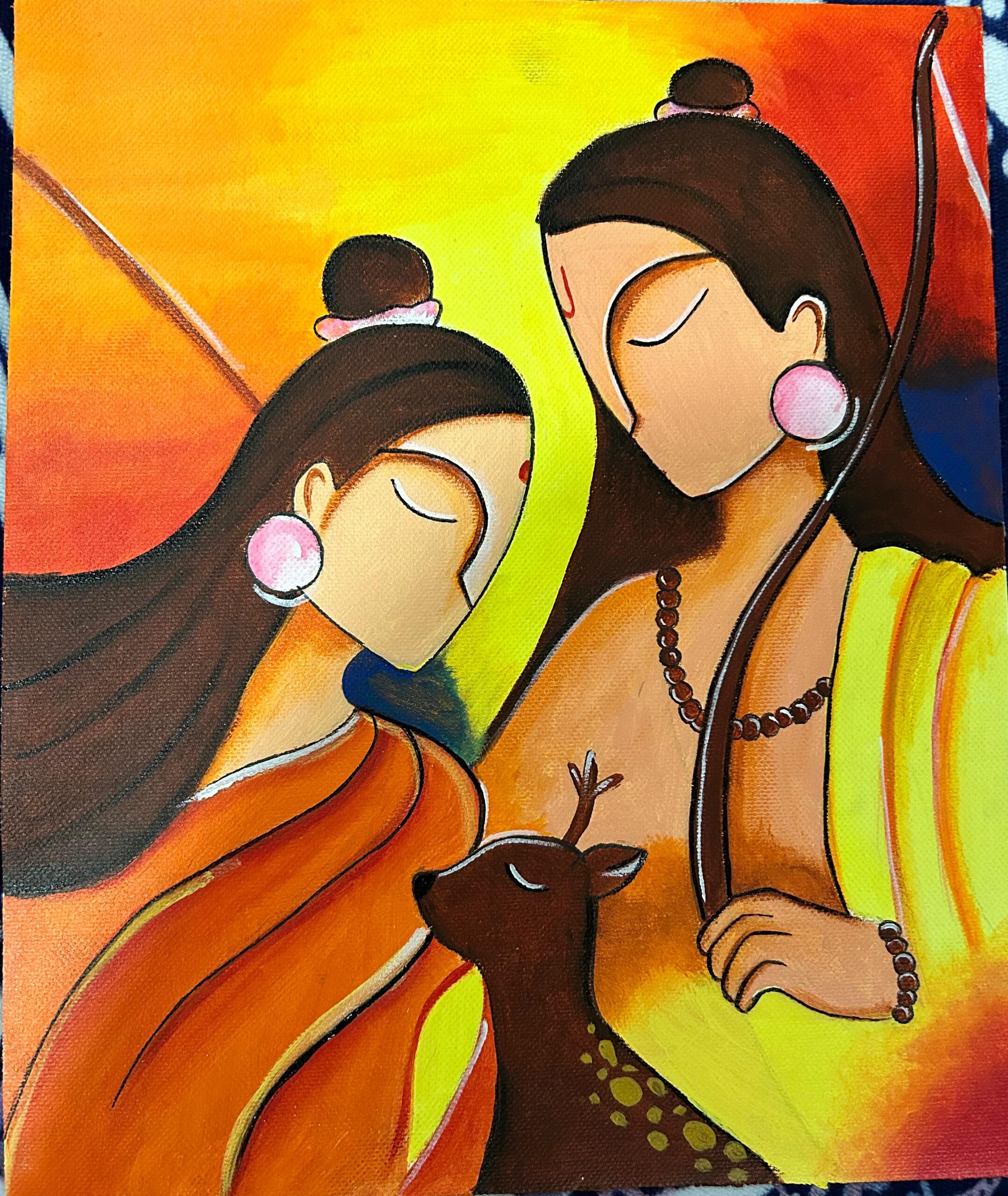
When an artist sits and draws a mandala, paints a fabric canvas, or personalizes a name frame — they’re not just completing a task.
They’re expressing something. Their childhood memories. Their imagination. Their patience. Their love for the craft.
And somehow, when that piece hangs in your space, it carries that energy with it.
Suddenly, walls don’t look decorated — they look alive.
Machine-Made Decor Has Its Place Too… But
Now, I’m not saying machine-made décor has no purpose. It’s convenient. It’s consistent. It’s quick.
And sometimes, when we’re just filling up a corner or following a fast trend, it works.
But here’s the truth no one admits: Machine-made decor rarely becomes someone’s favourite piece.
It doesn’t start conversations. It doesn’t hold memories. It doesn’t make you pause and smile.
It’s decor — but it isn’t connection.
Handmade Pieces Become Stories
I think the beauty of handmade décor is that it never enters a home quietly. Someone always asks:
“Where did you get that?” “Is it handmade?” “Wow, is this customized?”
And suddenly, the piece isn’t just a decoration — it becomes a story.
A story of the artist. A story of the moment you bought it. A story of the home it became a part of.
Machine-made items fill space. Handmade pieces create meaning.
It’s Not Just Art — It’s Impact
A room isn’t complete when it looks perfect — it’s complete when it feels personal.
Handmade art adds:
Warmth
Culture
Humanity
Every time someone chooses handmade over mass-produced decor, something beautiful happens:
✔ an artist is supported ✔ a traditional craft survives ✔ a unique piece finds a home ✔ creativity gets appreciated
And honestly, that feels good — both as a buyer and as someone who cares about design and meaning.
So, Why Does It Matter?
Because our homes are not just buildings. They’re sanctuaries. They hold memories. They hold moods. They hold energy.
And what we put inside them should reflect that.
Handmade décor doesn’t just match your aesthetic — it becomes part of your story.
Final Thought
Next time you’re choosing decor — whether it’s a painting, a gift, or something to brighten your walls — pause for a moment.
With growing awareness about environmental protection and ethical consumption, consumers today are shifting towards sustainable products. Indian handicrafts play a crucial role in promoting sustainable living by combining traditional skills, eco-friendly materials, and ethical production practices. At IndianHandicraftStore, we aim to showcase authentic Indian handicrafts while supporting artisans and preserving India’s cultural heritage.
Rich Cultural Heritage of Indian Handicrafts
Indian handicrafts reflect centuries-old traditions and regional diversity. From handloom textiles and pottery to wooden crafts and metalwork, every handicraft represents the culture, history, and craftsmanship of its origin. These products are handmade with care and creativity, making each item unique and valuable.
Unlike mass-produced goods, handicrafts carry emotional and cultural significance, connecting consumers directly to India’s artisan communities.
Contribution to Sustainable and Eco-Friendly Living
One of the biggest advantages of Indian handicrafts is their sustainability. Most handicraft products are made using natural, biodegradable, and locally sourced materials such as cotton, clay, wood, bamboo, and natural dyes. The production process consumes minimal energy and produces very little waste, making it environmentally friendly.
By choosing handcrafted products, consumers reduce their carbon footprint and support responsible consumption.
Supporting Artisans and Rural Employment
Indian handicrafts provide livelihood opportunities to millions of artisans, especially in rural and semi-urban areas. Purchasing from platforms like IndianHandicraftStore ensures fair income for artisans and helps preserve traditional skills that are slowly disappearing due to industrialisation.
This support empowers artisan communities and contributes to inclusive economic growth.
Handicrafts in Modern Lifestyle
Indian handicrafts have evolved to suit modern needs and preferences. Today, they are widely used in home décor, fashion accessories, gifting items, and daily-use products. Handcrafted décor pieces, jewellery, and utility items add elegance, warmth, and uniqueness to modern homes.
IndianHandicraftStore carefully curates products that blend traditional craftsmanship with contemporary design.
Why Choose IndianHandicraftStore?
IndianHandicraftStore is committed to promoting authentic handmade products while ensuring quality and customer satisfaction.
Key Features:
100% handmade and authentic products
Eco-friendly and sustainable sourcing
Direct support to Indian artisans
Unique designs with cultural value
Indian handicrafts are not just decorative products but symbols of sustainability, tradition, and ethical living. By choosing handmade products from IndianHandicraftStore, consumers contribute to environmental protection, cultural preservation, and artisan empowerment. Embracing handicrafts is a step towards a more responsible and meaningful lifestyle.
Indian handicrafts, handmade products, sustainable living, eco-friendly products, IndianHandicraftStore, local artisans
Virender singh raghav-24085
In the hyper-automated landscape of 2026, the global consumer is experiencing a “commodity fatigue.” As mass-produced goods saturate the market, a strategic shift is occurring toward the Provenance Economy—where the value of a product is derived from its origin, its creator, and its story. For a marketing professional, India’s handicraft sector represents a $4.8 billion opportunity to bridge ancient artistry with modern brand management.
1. Market Intelligence: The Hard Numbers
As of Q1 2026, the Indian handicraft sector has shed its “unorganized” label to become a data-driven export powerhouse.
• Valuation & Velocity: The market reached a valuation of $4.86 billion in 2025 and is accelerating at a CAGR of 6.13%, with projections hitting $8.3 billion by 2034.
• The Export Mix: According to EPCH (Export Promotion Council for Handicrafts), woodware and art metalware remain the high-volume leaders, but hand-printed textiles are seeing the highest “premiumization” growth in European markets.
• Global Footprint: The USA remains the primary destination (37% market share), but emerging demand in the UAE and East Asia is diversifying the export risk profile.
2. Strategic Branding: The “Authenticity” USP
A handicraft is not a “commodity”; it is a “Veblen Good”—where the appeal increases as consumers perceive higher exclusivity and heritage.
The Provenance Effect
Today’s consumer uses a product to signal their values. By marketing the Geographic Indication (GI) tags-such as Kutch Embroidery or Channapatna Toys-brands are providing a “Trust Signal” that justifies a 20-40% price premium. This is no longer just “selling art”; it is Intellectual Property Management.
Human Capital as Brand Equity
The sector is the second-largest employer in rural India, supporting 6.46 million artisans. Interestingly, 64% of this workforce are women. From a brand storytelling perspective, this allows companies to leverage ESG (Environmental, Social, and Governance) narratives, which are critical for securing shelf space in global retail chains like IKEA or West Elm.
3. The Digital Pivot: Disrupting the Supply Chain
The traditional “middleman” model is being dismantled by two major marketing shifts:
• The D2C Revolution: Artisans are bypassing traditional wholesalers to sell directly to global consumers via social commerce. In 2025, independent digital retailers captured nearly 26% of the market share.
• Visual Storytelling: Marketing has shifted from “Product Photos” to “Process Reels.” Showing the 50-hour journey of a single hand-knotted rug creates an emotional “lock-in” with the customer, reducing price sensitivity.
4. Policy as a Market Facilitator
The Government of India’s One District One Product (ODOP) initiative is a masterclass in Cluster Marketing. By identifying 1,240+ unique products, the policy creates specialized “Brand Hubs.” This centralization allows for better quality control and more efficient logistics, transforming remote villages into “Export Hubs” (DEH).
5. The 2026 Marketing Outlook: The “Tactile” Gap
The biggest challenge for future marketers is the “Tactile Gap”—the inability to feel the product through a screen. The Strategic Solution: The integration of Augmented Reality (AR) storefronts and Blockchain-based Authenticity Certificates. By 2027, we expect the “Phygital” model (Physical product + Digital story) to be the standard for high-end Indian exports.
Conclusion: The Roadmap for Marketing Leaders
The mission is clear: we must stop treating handicrafts as “charity” and start treating them as “luxury.” The future belongs to those who can market the soul of the machine-less.
Data References & Sources:
1. IMARC Group (2025): Indian Handicrafts Market: Industry Trends & Forecasts.
2. Export Promotion Council for Handicrafts (EPCH): Export Performance Analysis FY 2024-25.
3. Ministry of Textiles, Govt. of India: Annual Report on Artisan Welfare & GI Registration.
4. Technavio Business Intelligence: Emerging Trends in the Global Artisan Goods Market.
*
In the hyper-automated landscape of 2026, the global consumer is experiencing a “commodity fatigue.” As mass-produced goods saturate the market, a strategic shift is occurring toward the Provenance Economy—where the value of a product is derived from its origin, its creator, and its story. For a marketing professional, India’s handicraft sector represents a $4.8 billion opportunity to bridge ancient artistry with modern brand management.
1. Market Intelligence: The Hard Numbers
As of Q1 2026, the Indian handicraft sector has shed its “unorganized” label to become a data-driven export powerhouse.
• Valuation & Velocity: The market reached a valuation of $4.86 billion in 2025 and is accelerating at a CAGR of 6.13%, with projections hitting $8.3 billion by 2034.
• The Export Mix: According to EPCH (Export Promotion Council for Handicrafts), woodware and art metalware remain the high-volume leaders, but hand-printed textiles are seeing the highest “premiumization” growth in European markets.
• Global Footprint: The USA remains the primary destination (37% market share), but emerging demand in the UAE and East Asia is diversifying the export risk profile.
2. Strategic Branding: The “Authenticity” USP
A handicraft is not a “commodity”; it is a “Veblen Good”—where the appeal increases as consumers perceive higher exclusivity and heritage.
The Provenance Effect
Today’s consumer uses a product to signal their values. By marketing the Geographic Indication (GI) tags-such as Kutch Embroidery or Channapatna Toys-brands are providing a “Trust Signal” that justifies a 20-40% price premium. This is no longer just “selling art”; it is Intellectual Property Management.
Human Capital as Brand Equity
The sector is the second-largest employer in rural India, supporting 6.46 million artisans. Interestingly, 64% of this workforce are women. From a brand storytelling perspective, this allows companies to leverage ESG (Environmental, Social, and Governance) narratives, which are critical for securing shelf space in global retail chains like IKEA or West Elm.
3. The Digital Pivot: Disrupting the Supply Chain
The traditional “middleman” model is being dismantled by two major marketing shifts:
• The D2C Revolution: Artisans are bypassing traditional wholesalers to sell directly to global consumers via social commerce. In 2025, independent digital retailers captured nearly 26% of the market share.
• Visual Storytelling: Marketing has shifted from “Product Photos” to “Process Reels.” Showing the 50-hour journey of a single hand-knotted rug creates an emotional “lock-in” with the customer, reducing price sensitivity.
4. Policy as a Market Facilitator
The Government of India’s One District One Product (ODOP) initiative is a masterclass in Cluster Marketing. By identifying 1,240+ unique products, the policy creates specialized “Brand Hubs.” This centralization allows for better quality control and more efficient logistics, transforming remote villages into “Export Hubs” (DEH).
5. The 2026 Marketing Outlook: The “Tactile” Gap
The biggest challenge for future marketers is the “Tactile Gap”—the inability to feel the product through a screen. The Strategic Solution: The integration of Augmented Reality (AR) storefronts and Blockchain-based Authenticity Certificates. By 2027, we expect the “Phygital” model (Physical product + Digital story) to be the standard for high-end Indian exports.
Conclusion: The Roadmap for Marketing Leaders
The mission is clear: we must stop treating handicrafts as “charity” and start treating them as “luxury.” The future belongs to those who can market the soul of the machine-less.
Data References & Sources:
1. IMARC Group (2025): Indian Handicrafts Market: Industry Trends & Forecasts.
2. Export Promotion Council for Handicrafts (EPCH): Export Performance Analysis FY 2024-25.
3. Ministry of Textiles, Govt. of India: Annual Report on Artisan Welfare & GI Registration.
4. Technavio Business Intelligence: Emerging Trends in the Global Artisan Goods Market.