by IHS | Jan 19, 2026 | Uncategorized
Introduction
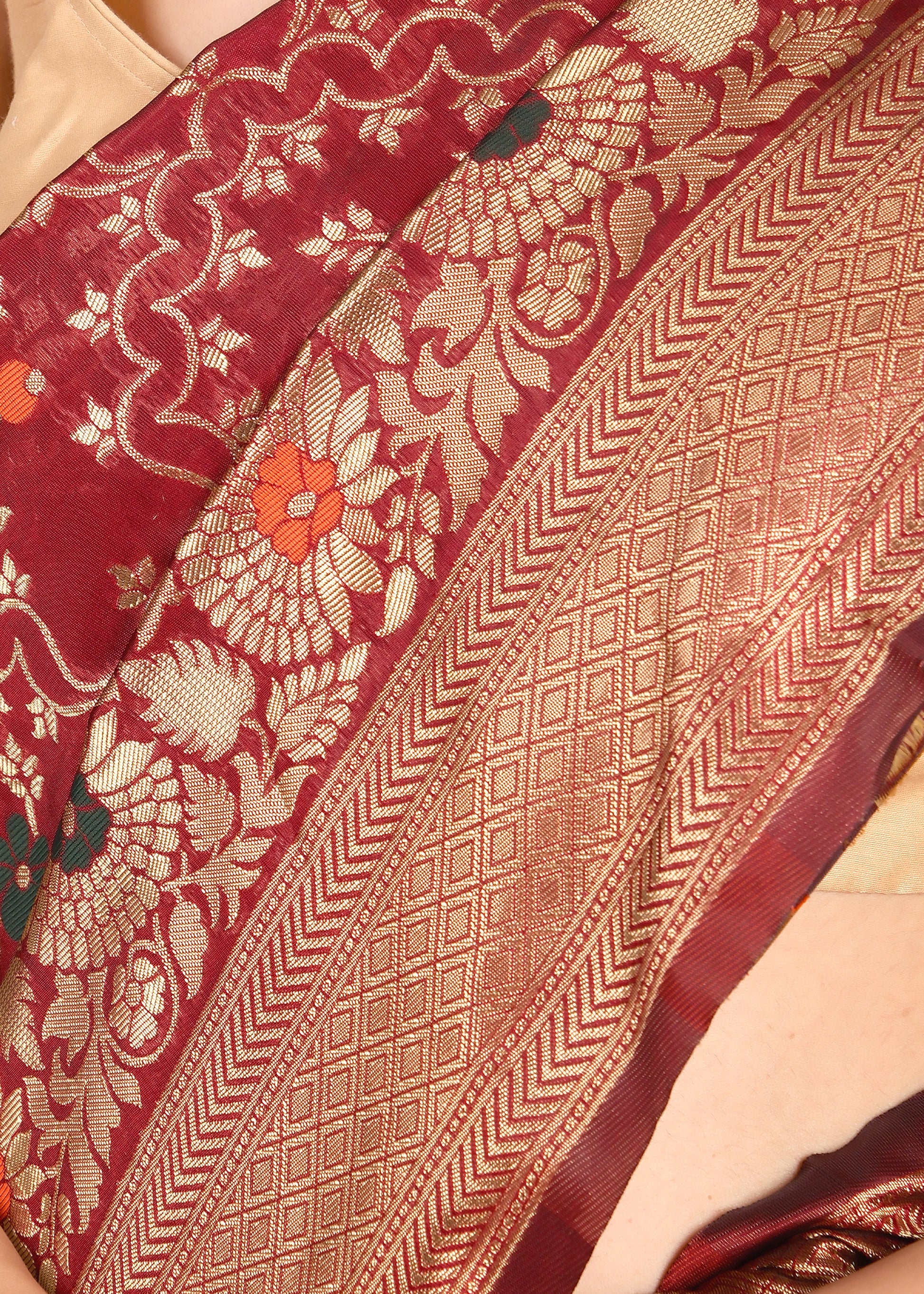
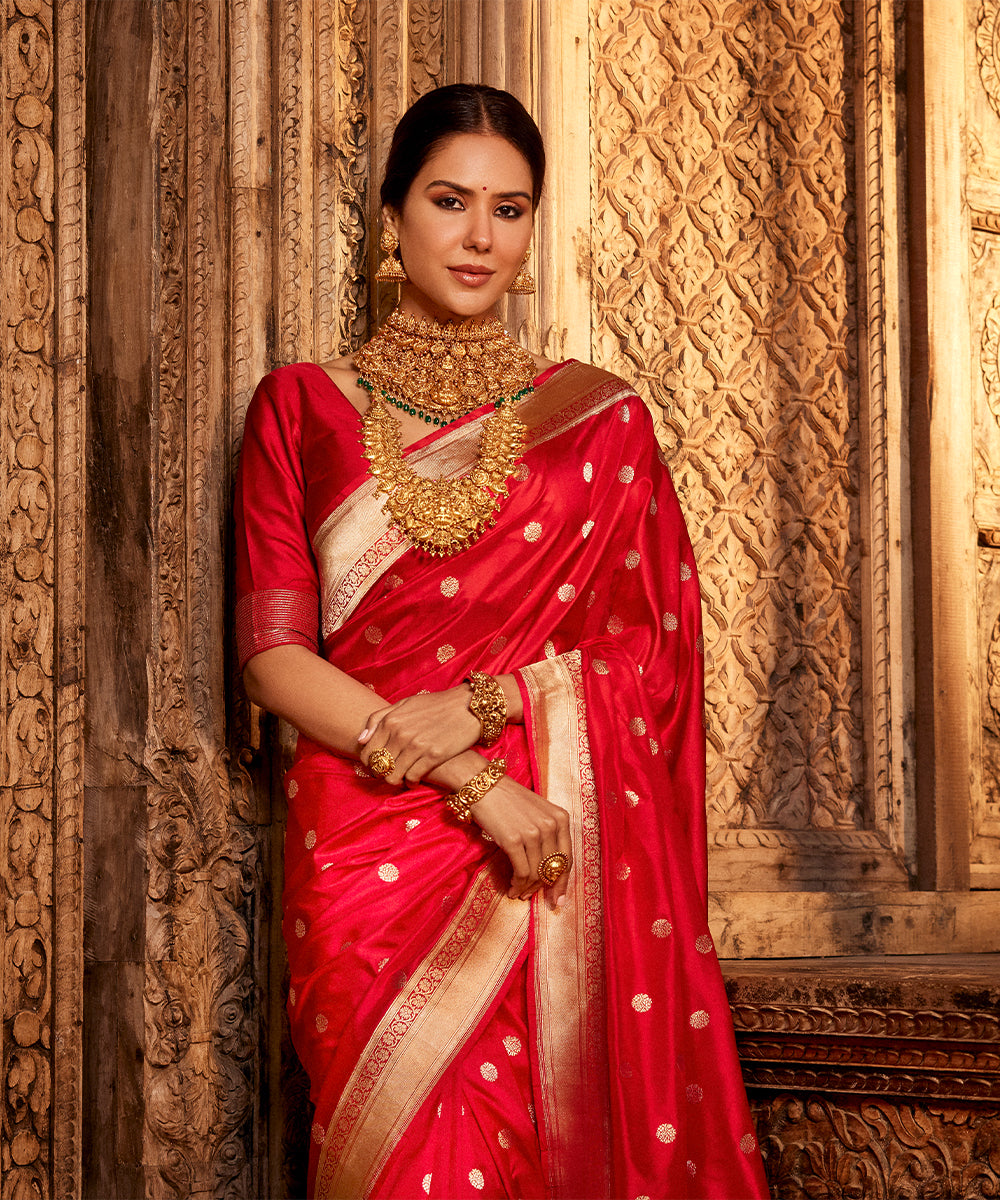
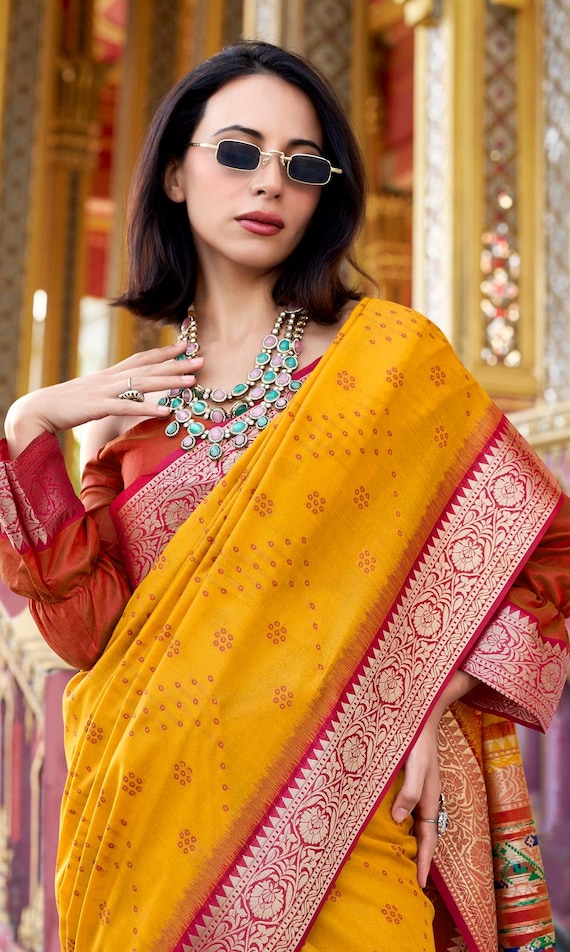
In an age dominated by fast fashion and mass production, Indian handloom textiles are making a powerful comeback. Known for their authenticity, durability, and cultural richness, handloom fabrics represent a slower, more conscious approach to fashion. The revival of Indian handloom is not just a trend—it is a movement toward sustainability, heritage preservation, and ethical living.
At IndianHandicraftStore, we celebrate the artistry of Indian weavers who keep centuries-old traditions alive through every thread they weave.
What Is Indian Handloom?
Handloom refers to fabric woven manually on a loom without the use of electricity. Each piece reflects the skill, patience, and creativity of the weaver. Popular handloom traditions include:
- Banarasi Silk from Uttar Pradesh
- Kanchipuram Silk from Tamil Nadu
- Ikat from Odisha and Telangana
- Khadi from across India
Visual Suggestion: Image of a traditional handloom in use
Why Handloom Is Making a Comeback
1. Shift Toward Sustainable Fashion
Consumers today are becoming more environmentally conscious. Handloom fabrics consume less energy, use natural fibers, and often involve eco-friendly dyes, making them a sustainable alternative to machine-made textiles.
2. Demand for Authentic & Unique Products
No two handloom products are exactly the same. This uniqueness attracts buyers who value originality over mass-produced uniformity.
3. Government & Digital Support
Initiatives like Vocal for Local and the rise of online platforms have helped artisans reach global markets, boosting the handloom sector.
Visual Suggestion: Infographic showing growth of handloom demand
Benefits of Choosing Handloom Fabrics
- ✔️ Breathable and skin-friendly
- ✔️ Long-lasting and durable
- ✔️ Environmentally responsible
- ✔️ Supports rural artisans and weavers
Handloom fabrics are not just clothing materials—they are investments in quality and culture.
Handloom Products Available at IndianHandicraftStore
👗 Handwoven Sarees & Dupattas
Elegant and timeless, handloom sarees blend tradition with modern aesthetics.
🧣 Scarves & Stoles
Perfect for everyday wear and gifting, these accessories add handcrafted charm.
🏡 Handloom Home Furnishings
Cushion covers, table runners, and curtains made from handloom fabrics enhance home décor naturally.
Visual Suggestion: Product images of sarees, stoles, and home décor
How You Can Support the Handloom Movement
Every time you choose handloom, you:
- Help preserve traditional weaving skills
- Ensure fair income for artisans
- Reduce environmental impact
- Promote ethical and slow fashion
Your choices can shape the future of Indian textiles.
Conclusion
The revival of Indian handloom is a reminder that tradition and modernity can coexist beautifully. By embracing handwoven fabrics, we not only wear stories of heritage but also contribute to a more sustainable and inclusive future.
At IndianHandicraftStore, we invite you to be part of this revival—one thread at a time.
Author: Bharti Gaur
by IHS | Jan 19, 2026 | Uncategorized
Introduction
Indian handicrafts have traditionally been sold through local markets and exhibitions. With the rise of digital marketplaces, artisans are now able to reach a wider audience, helping revive traditional crafts and create new economic opportunities.
Role of Digital Platforms
E-commerce platforms and social media channels allow handicraft sellers to showcase their products to customers across the country and globally. These platforms remove geographical limitations and increase visibility for small artisans.
Building Brand Identity for Handicrafts
Digital marketplaces help create a brand identity for handicrafts through product descriptions, storytelling, and visual content. This allows customers to understand the cultural and emotional value behind each handmade product.
Empowering Artisans Economically
By selling directly through digital channels, artisans can earn fair prices for their work. Online payments, order tracking, and direct customer interaction improve income stability and reduce dependency on middlemen.
Challenges and the Way Forward
Despite its benefits, digital adoption comes with challenges such as lack of technical knowledge and logistics issues. Training programs and government support can help artisans overcome these barriers.
Conclusion
Digital marketplaces are playing a crucial role in preserving Indian handicrafts by connecting tradition with technology. With proper support and awareness, digital platforms can ensure sustainable growth for artisans and their crafts.
 BY: Jainish Verma (24040)
by IHS | Jan 19, 2026 | blog
Introduction
Indian handicrafts are a reflection of the country’s rich cultural heritage, artistic diversity, and traditional craftsmanship. Created by skilled artisans using techniques passed down through generations, these handmade products represent authenticity and creativity. In an era dominated by mass production, Indian handicrafts continue to hold relevance due to their cultural significance and sustainable nature.
Cultural and Traditional Significance of Indian Handicrafts
Indian handicrafts embody regional traditions, customs, and artistic expressions unique to different parts of the country. Each handcrafted item reflects the artisan’s skill, cultural background, and storytelling, making it distinctive and meaningful. By preserving traditional art forms such as pottery, weaving, woodwork, and metal crafts, handicrafts play a vital role in maintaining India’s cultural identity.
Sustainability and Environmental Benefits
One of the key advantages of handmade handicrafts is their environmentally friendly production process. These products are generally made using natural, recycled, or locally sourced materials. The low use of machinery reduces energy consumption and carbon emissions, making handicrafts a sustainable alternative to machine-made goods. This aligns with the growing demand for eco-conscious and responsible consumption.
Economic Impact and Support for Local Artisans
The handicraft sector provides employment to millions of artisans, especially in rural and semi-urban areas. Purchasing handmade products ensures fair income for artisans and helps improve their standard of living. It also encourages skill preservation and supports inclusive economic growth by strengthening local communities and traditional occupations.
Role of IndianHandicraftStore in Promoting Handicrafts
IndianHandicraftStore acts as a digital platform that connects skilled artisans with a wider customer base. By showcasing authentic handmade products online, the platform helps preserve traditional craftsmanship while enabling artisans to reach national and global markets. This contributes to sustainable livelihoods and increased awareness of Indian handicrafts.
Conclusion
Handmade Indian handicrafts represent a harmonious blend of tradition, creativity, and sustainability. By choosing products from IndianHandicraftStore, consumers not only bring unique and meaningful items into their homes but also contribute to cultural preservation, environmental responsibility, and artisan empowerment. Supporting handicrafts is a step towards conscious and ethical consumption.
Auther
Khushi Butola

by IHS | Jan 19, 2026 | Uncategorized
The Timeless Beauty of Indian Handicrafts: Preserving Culture Through Art
India is a land of diversity, tradition, and centuries-old craftsmanship. From the intricate carvings of Rajasthan to the delicate weaves of Assam, Indian handicrafts represent not just products but stories, heritage, and the soul of artisans passed down through generations. In a fast-moving digital era, these handmade treasures continue to preserve India’s cultural identity.
IndianHandicraftStore aims to bring these authentic creations closer to modern consumers while empowering skilled artisans across the country.
Why Indian Handicrafts Matter
Indian handicrafts are deeply rooted in regional traditions and local communities. Every handcrafted item reflects:
-
Cultural heritage
-
Traditional skills
-
Sustainable practices
-
Artistic excellence
Unlike machine-made goods, handicrafts carry uniqueness and emotional value. Each piece is crafted with patience, precision, and passion.
Popular Types of Indian Handicrafts
1. Handwoven Textiles
India is globally recognized for its handloom sector. Famous examples include:
-
Banarasi Silk
-
Chanderi Sarees
-
Kanchipuram Silk
-
Pashmina Shawls
These fabrics showcase detailed weaving techniques and natural dye usage.
2. Wooden Handicrafts
Crafted mainly in Rajasthan, Kashmir, and Saharanpur:
-
Hand-carved furniture
-
Decorative panels
-
Jewelry boxes
-
Wooden toys
They highlight detailed carving and eco-friendly artistry.
3. Terracotta & Pottery
Traditional clay art found in:
-
West Bengal
-
Gujarat
-
Uttar Pradesh
Used for home décor, sculptures, and eco-friendly kitchenware.
4. Metal Crafts
Popular forms include:
These crafts involve ancient casting and engraving techniques.
Role of E-commerce in Supporting Artisans
Platforms like IndianHandicraftStore play a crucial role in:
✔ Providing artisans with national & global reach
✔ Ensuring fair pricing
✔ Preserving dying art forms
✔ Promoting sustainable and handmade products
Digital platforms bridge the gap between traditional craftsmanship and modern buyers.
Handicrafts and Sustainability
Handmade products naturally promote sustainability because they:
-
Use eco-friendly raw materials
-
Produce minimal waste
-
Support local communities
-
Reduce carbon footprint compared to industrial production
Choosing handicrafts means choosing conscious consumption.
Conclusion
Indian handicrafts are more than decorative items — they are living expressions of India’s tradition and identity. Supporting handcrafted products helps preserve centuries-old skills and improves the livelihoods of artisans.
IndianHandicraftStore is proud to contribute to this mission by promoting authentic handmade treasures that blend tradition with modern lifestyle.
Ishvi Soni
MBA – HR
Maharaja Agrasen Business School (MABS)
by IHS | Jan 19, 2026 | blog
Introduction
Silk sarees are not just garments—they are heirlooms that carry centuries of Indian heritage, craftsmanship, and cultural pride. From festive celebrations to weddings and rituals, silk sarees symbolize elegance, prosperity, and timeless beauty. At IndianHandicraftStore, we celebrate this rich legacy by bringing authentic, handwoven silk sarees that honor India’s artisan traditions while appealing to modern sensibilities.
The Cultural Significance of Silk Sarees in India
Silk has always held a sacred and prestigious place in Indian society. Traditionally worn during auspicious occasions, silk sarees are deeply associated with rituals, weddings, and festivals across regions.
Each part of India has its own silk identity—woven with local stories, climate influences, and cultural symbolism. Owning a silk saree is often considered a matter of pride and emotional value, passed down from one generation to the next.
Popular Types of Indian Silk Sarees
1. Banarasi Silk Sarees
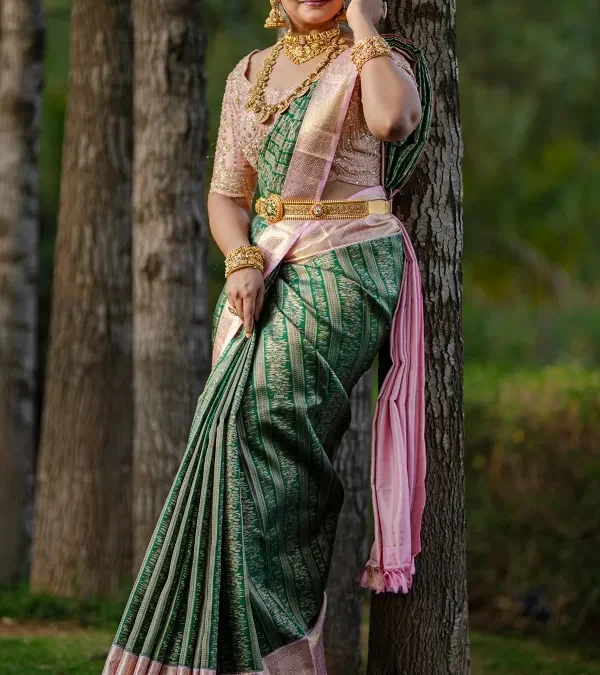
Originating from Varanasi, Banarasi silk sarees are known for their rich zari work, intricate floral motifs, and Mughal-inspired designs. They are a quintessential choice for bridal wear and grand celebrations.
2. Kanchipuram Silk Sarees
Hailing from Tamil Nadu, Kanchipuram silk sarees are admired for their durability, pure mulberry silk, and contrasting borders. Their bold colors and temple motifs reflect South India’s architectural and spiritual heritage.
3. Handloom Silk Sarees
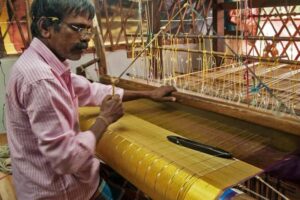
Handloom silk sarees represent the soul of Indian craftsmanship. Woven patiently on traditional looms, each saree is unique, making no two pieces exactly alike. These sarees support rural artisans and preserve centuries-old weaving techniques.
Why Handcrafted Silk Sarees Are Truly Special
-
Authenticity: Made using traditional methods without mass production
-
Artisan Skill: Each saree takes days or weeks to complete
-
Sustainability: Handloom silk supports eco-friendly and ethical fashion
-
Emotional Value: More than fashion—these sarees tell stories
At IndianHandicraftStore, we work closely with artisans to ensure fair practices and uncompromised quality.
How to Care for Your Silk Saree
To preserve the beauty of silk sarees:
-
Always dry clean for the first few washes
-
Store wrapped in soft cotton cloth
-
Avoid direct sunlight for long periods
-
Refold occasionally to prevent zari damage
Proper care ensures your silk saree remains radiant for decades.
Conclusion: A Heritage Worth Preserving
Silk sarees are living traditions—woven with patience, pride, and passion. In a world of fast fashion, they stand as symbols of slow, meaningful luxury. By choosing handcrafted silk sarees from IndianHandicraftStore, you don’t just wear elegance—you support artisans, culture, and India’s timeless textile heritage.
✨ Explore our curated silk saree collection and become a part of this enduring legacy.
Author:
Tanishq Bhardwaj