by IHS | Feb 9, 2026 | blog, Sustainable Handicrafts
By: [Akshit Malik] Date: February 9, 2026
In an era dominated by mass-produced, factory-made furniture and decor, there is a growing movement toward “slow living” and conscious consumption. At Indian HandicraftStore, we believe that the objects we surround ourselves with should tell a story—one of heritage, patience, and human touch.
The True Cost of “Fast” Decor
Most modern home accessories are made from synthetic materials that lack longevity and often end up in landfills. In contrast, Indian handicrafts have been the backbone of sustainable living for centuries. By choosing handmade items, you aren’t just buying a product; you are preserving a legacy.
1. Sustainability Rooted in Tradition
One of the most compelling reasons to choose handicrafts is their minimal environmental impact. Our artisans primarily use:
-
Natural Materials: Terracotta, jute, reclaimed wood, and organic cotton.
-
Eco-Friendly Dyes: Colors derived from turmeric, indigo, and pomegranate skins.
-
Manual Tools: Most items are crafted using hand tools or manual wheels, drastically reducing the carbon footprint compared to industrial manufacturing.
2. Supporting the Artisan Economy
Every piece you purchase from the Indian HandicraftStore directly supports rural livelihoods. In many Indian villages, these crafts are the primary source of income. By providing a platform for these artisans, we help ensure that ancient techniques—passed down through generations—do not fade into obscurity in the digital age.
3. Uniqueness in Every Imperfection
The beauty of a hand-painted vase or a hand-loomed rug lies in its “perfect imperfections.” Unlike machine-made goods where every unit is identical, no two pieces in our store are exactly the same. This uniqueness gives your home a personality that reflects a sophisticated, global aesthetic.
Bringing Heritage Into Your Modern Space
Integrating traditional crafts into a modern home doesn’t mean your space has to look like a museum. Here are a few tips:
-
Minimalist Accents: A single, vibrant Dhokra brass statue can serve as a stunning centerpiece on a sleek, glass coffee table.
-
Texture Play: Use jute wall hangings or hand-woven cushions to add warmth and depth to a neutral-toned room.
Conclusion: A Choice That Matters
Choosing Indian handicrafts is a vote for quality over quantity, and people over machines. It is a way to make your living space feel more grounded and connected to the world’s rich cultural tapestry.
Explore our latest collection at the Indian HandicraftStore and find a piece that speaks to you.

by IHS | Jan 19, 2026 | blog
Who Comes First — Craft or Craftsman?
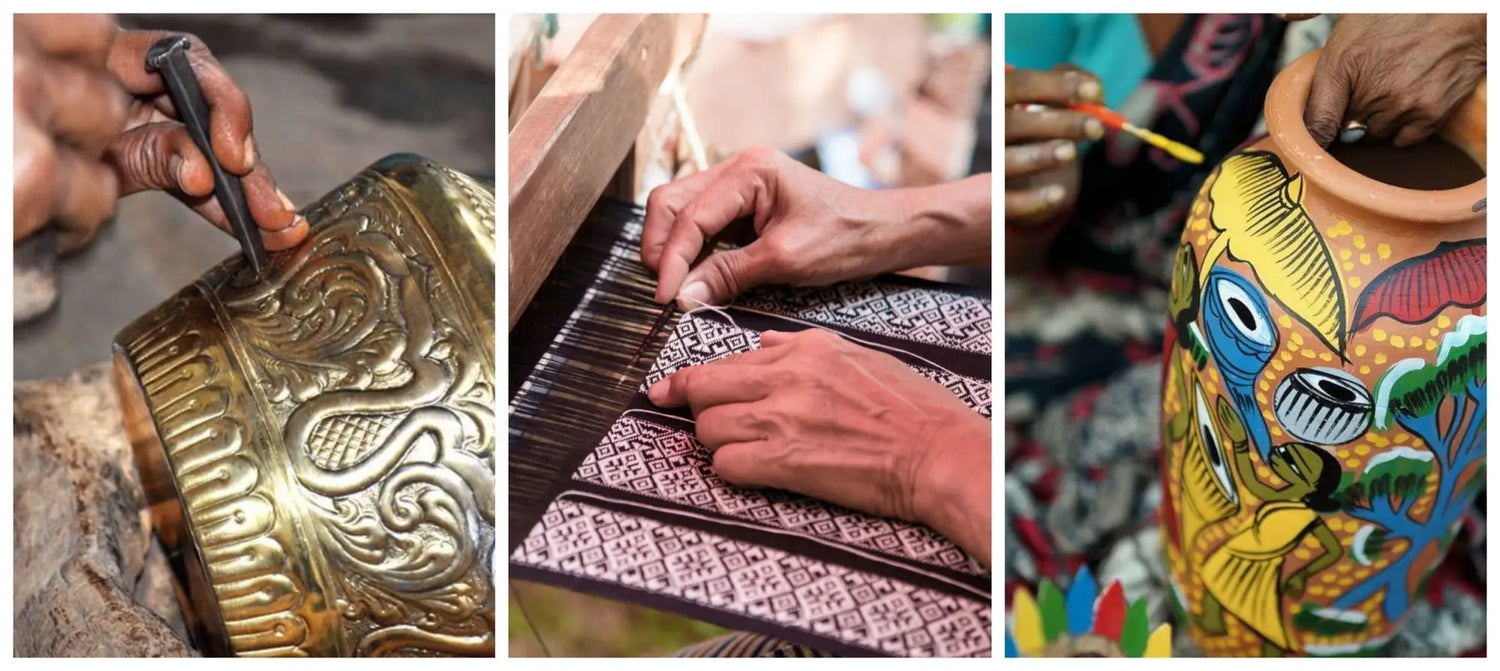
It is difficult to define which comes first — the craft or the craftsman. But one thing is very clear: in human evolution, after the mind, the hands have played the most significant role. From making tools to cultivating land, human hands have been the real stakeholders in building civilization.
In Indian culture, the position of craftsmen has always been respected and valued. An ancient saying beautifully captures this sentiment:
“The hand of a craftsman engaged in his craft is always pure.”
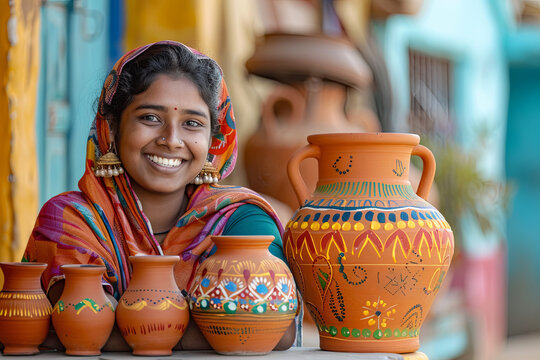
Traditionally, remember that every village in India was self-sufficient. Craftsmen worked within the village community under a system of mutual dependence and trust. Their services were offered to the community, and in return, they received respect, security, and payments in kind. Each artisan had a defined role that contributed to the smooth functioning of everyday life.
The carpenter made and repaired ploughs and farming tools, with the farmer supplying the wood. The blacksmith created and fixed iron parts of the tools, while the cultivator provided iron and charcoal and helped operate the bellows. The potter supplied every household with essential earthenware. This ecosystem was not just economic—it was social, cultural, and deeply human.
Today, the common definition of Indian handicrafts describes them as products made entirely by hand or with minimal mechanical assistance, where each piece reflects uniqueness and creativity. However, this definition feels incomplete. It focuses only on the material product and ignores the deeper connection between the artisan’s mind, their environment, their needs, and their lived experiences.
If we truly think about it, even the food we cook every day using traditional methods could be considered a form of handicraft. Why shouldn’t our traditional cooks be seen as artisans? They preserve age-old recipes, maintain regional uniqueness, and pass on cultural identity through taste. Their hands, like those of any craftsman, carry heritage forward.
Handicraft, therefore, is not just about objects — it is about knowledge, emotion, culture, continuity, and human connections.
Today, the common definition of Indian handicrafts describes them as products made entirely by hand or with minimal mechanical assistance, where each piece reflects uniqueness and creativity. However, this definition feels incomplete. It focuses only on the material product and ignores the deeper connection between the artisan’s mind, their environment, their needs, and their lived experiences.
If we truly think about it, even the food we cook every day using traditional methods could be considered a form of handicraft. Why shouldn’t our traditional cooks be seen as artisans? They preserve age-old recipes, maintain regional uniqueness, and pass on cultural identity through taste. Their hands, like those of any craftsman, carry heritage forward.
Handicraft, therefore, is not just about objects — it is about knowledge, emotion, culture, continuity, and human connection.
Why Handmade Products Are More Valuable Than Machine-Made
Handicrafts are not just products; they are expressions of creativity and effort. Here’s why they hold greater value:
-
Each product is unique
-
Made with attention to detail
-
Eco-friendly and sustainable
-
Supports small artisan communities
-
Carries emotional and cultural significance
Choosing handmade products means choosing authenticity over mass production.
Conclusion
Craft does not exist without the craftsman, and the craftsman is shaped by the craft in return. Together, they represent a living relationship between skill, culture, memory, and identity. In a world increasingly driven by speed and standardization, recognizing the value of handmade work becomes more important than ever. When we support artisans, traditional cooks, and creators who preserve these practices, we are not just buying products — we are protecting knowledge, dignity, and heritage. Platforms like Indian Handicraft Store exist to honor this connection, ensuring that the hands behind the craft continue to be seen, valued, and respected.
By : Muskan Sachdeva
Enrollment no: MABSPG24103

by IHS | Jan 19, 2026 | blog
Why Indian Handicrafts Are a Timeless Choice for Culture & Sustainability
Indian Handicraft Store celebrates the true spirit of India’s heritage and craftsmanship by offering authentic, handcrafted treasures made by local artisans. These products are not only
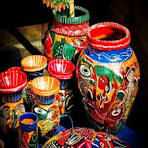
beautiful but carry the legacy of traditional artistry passed down through generations.
A Celebration of Authentic Craftsmanship
Every item at Indian Handicraft Store is created with passion and skill. From handwoven fabrics and pottery to jewelry and home décor, each product reflects unique craftsmanship and cultural richness
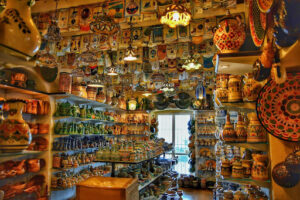
that mass-produced goods can never replicate. Choosing handcrafted items supports the preservation of age-old techniques and artistic traditions.
Supporting Sustainability and Ethical Practices
One of the core missions of Indian Handicraft Store is to empower local artisans through fair wages, safe working conditions, and long-term opportunities. By using eco-friendly materials and traditional methods, the platform ensures that every purchase contributes to sustainable and ethical practices, benefiting both people and the planet.
Unique Products with Cultural Value
Unlike generic products, each handcrafted piece tells a story. The website offers a wide range of handwoven textiles, artisan jewelry, and home décor accessories that are curated for quality and cultural significance. These items add beauty and meaning to everyday life, making them perfect for gifts, celebrations, décor, or personal collection.
A Meaningful Shopping Experience
Shopping on IndianHandicraftStore.com means more than buying products — it means taking part in a mission to preserve Indian culture and support the livelihoods of talented craftsmen. Each purchase creates a direct link between artisan and customer, strengthening the artistic ecosystem and protecting traditional skills.
Conclusion
Indian handicrafts are more than just products — they are a reflection of culture, history, and human creativity. By choosing Indian Handicraft Store, customers enjoy authentic, sustainable, and culturally rich items, while also making a meaningful impact on artisan communities across India.
by IHS | Jan 19, 2026 | blog
State-Wise Exploration of Indian Handicrafts
India’s handicraft heritage is deeply rooted in its states, with each region reflecting its history, geography, and cultural identity through unique art forms. A state-wise understanding of Indian handicrafts highlights the richness and diversity that make these products truly special.
Rajasthan – The Land of Royal Craftsmanship
Rajasthan is renowned for its vibrant and bold handicrafts. Traditional crafts such as blue pottery, block printing, leather goods, and miniature paintings reflect the royal legacy of the state. These products are known for their bright colors, intricate patterns, and durability, making them popular in home décor and fashion accessories.
Uttar Pradesh – Excellence in Traditional Art Forms
Uttar Pradesh plays a significant role in India’s handicraft sector. The state is famous for brassware from Moradabad, wooden carvings from Saharanpur, chikankari embroidery from Lucknow, and glassware from Firozabad. These crafts demonstrate fine detailing and skilled workmanship passed down through generations.
West Bengal – Artistic and Cultural Expression
West Bengal’s handicrafts are deeply influenced by art and literature. Terracotta crafts from Bankura, Kantha embroidery, and clay idols from Kumartuli showcase creativity and cultural symbolism. These products often carry emotional and artistic value, making them ideal for both décor and gifting.
Gujarat – Tradition with Vibrant Identity
Gujarat is known for its colorful and lively handicrafts such as bandhani textiles, mirror work embroidery, beadwork, and clay crafts. The state’s handicrafts reflect community traditions and are widely appreciated for their bold designs and cultural significance.
Assam – The Pride of Handloom Heritage
Assam’s handicrafts primarily revolve around handloom textiles. Products made from silk varieties like Muga, Eri, and Pat silk are globally admired. Bamboo and cane crafts are also widely produced, reflecting sustainability and eco-conscious living.
Kashmir (Jammu & Kashmir) – Timeless Elegance
Kashmir is globally recognized for its premium handicrafts such as Pashmina shawls, hand-knotted carpets, papier-mâché items, and walnut wood carving. These crafts are known for their sophistication, intricate detailing, and high-quality craftsmanship.
Tamil Nadu – Temple-Inspired Craftsmanship
Tamil Nadu’s handicrafts are strongly influenced by temple architecture and classical art. Bronze sculptures, stone carvings, Tanjore paintings, and traditional handloom sarees reflect the state’s deep spiritual and artistic roots.
Odisha – Heritage Through Handicrafts
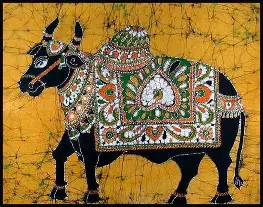
Odisha is known for silver filigree work, Pattachitra paintings, and appliqué crafts. These handicrafts are closely connected to religious traditions and local folklore, making them culturally rich and visually distinctive.
Maharashtra – A Blend of Tradition and Utility
Maharashtra offers a wide range of handicrafts including Warli paintings, Kolhapuri footwear, Paithani sarees, and Bidriware. These crafts combine traditional artistry with everyday usability, appealing to modern consumers.
Conclusion
Each Indian state contributes uniquely to the country’s handicraft ecosystem. Understanding handicrafts on a state-wise basis not only highlights India’s cultural diversity but also emphasizes the importance of preserving regional art forms. Platforms like IndianHandicraftStore help bring these state-specific crafts to a wider audience, ensuring artisans receive recognition and sustainable livelihoods.
Choosing state-wise handcrafted products allows consumers to appreciate India’s heritage while making responsible and meaningful purchasing decisions.
Author- sneha gupta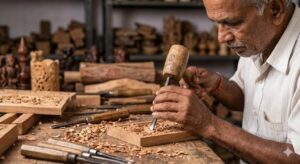
by IHS | Jan 19, 2026 | blog
Introduction
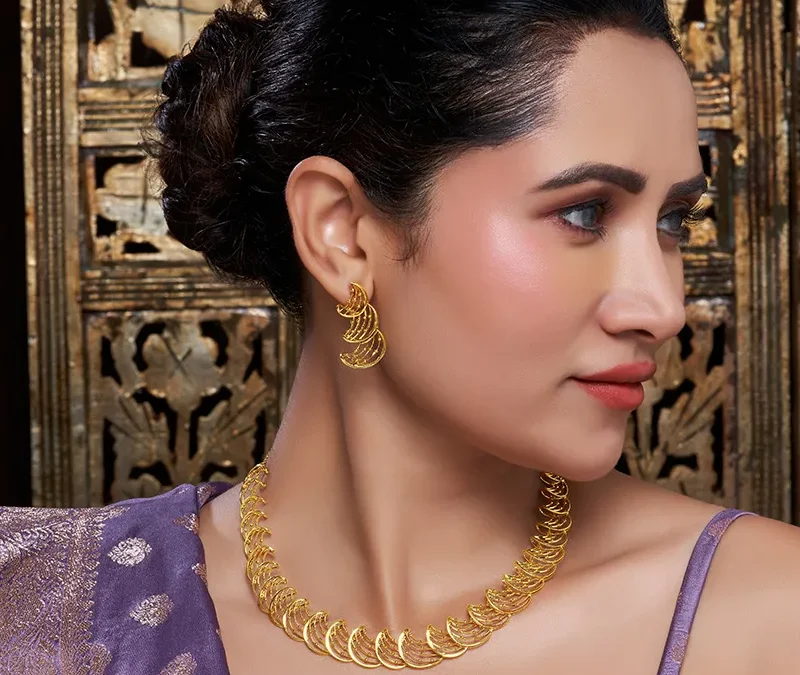
Indian handicrafts are a reflection of the country’s rich cultural heritage, artistic diversity, and traditional craftsmanship. Created by skilled artisans using techniques passed down through generations, these handmade products represent authenticity and creativity. In an era dominated by mass production, Indian handicrafts continue to hold relevance due to their cultural significance and sustainable nature.
Cultural and Traditional Significance of Indian Handicrafts
Indian handicrafts embody regional traditions, customs, and artistic expressions unique to different parts of the country. Each handcrafted item reflects the artisan’s skill, cultural background, and storytelling, making it distinctive and meaningful. By preserving traditional art forms such as pottery, weaving, woodwork, and metal crafts, handicrafts play a vital role in maintaining India’s cultural identity.
Sustainability and Environmental Benefits
One of the key advantages of handmade handicrafts is their environmentally friendly production process. These products are generally made using natural, recycled, or locally sourced materials. The low use of machinery reduces energy consumption and carbon emissions, making handicrafts a sustainable alternative to machine-made goods. This aligns with the growing demand for eco-conscious and responsible consumption.
Economic Impact and Support for Local Artisans
The handicraft sector provides employment to millions of artisans, especially in rural and semi-urban areas. Purchasing handmade products ensures fair income for artisans and helps improve their standard of living. It also encourages skill preservation and supports inclusive economic growth by strengthening local communities and traditional occupations.
Role of IndianHandicraftStore in Promoting Handicrafts
IndianHandicraftStore acts as a digital platform that connects skilled artisans with a wider customer base. By showcasing authentic handmade products online, the platform helps preserve traditional craftsmanship while enabling artisans to reach national and global markets. This contributes to sustainable livelihoods and increased awareness of Indian handicrafts.
Conclusion
Handmade Indian handicrafts represent a harmonious blend of tradition, creativity, and sustainability. By choosing products from IndianHandicraftStore, consumers not only bring unique and meaningful items into their homes but also contribute to cultural preservation, environmental responsibility, and artisan empowerment. Supporting handicrafts is a step towards conscious and ethical consumption.
Auther
Khushi Butola

by IHS | Jan 19, 2026 | blog
Introduction
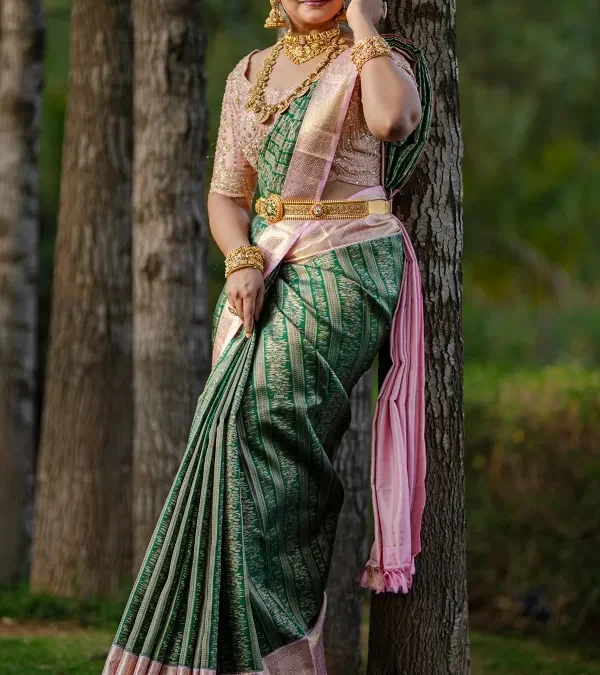
Silk sarees are not just garments—they are heirlooms that carry centuries of Indian heritage, craftsmanship, and cultural pride. From festive celebrations to weddings and rituals, silk sarees symbolize elegance, prosperity, and timeless beauty. At IndianHandicraftStore, we celebrate this rich legacy by bringing authentic, handwoven silk sarees that honor India’s artisan traditions while appealing to modern sensibilities.
The Cultural Significance of Silk Sarees in India
Silk has always held a sacred and prestigious place in Indian society. Traditionally worn during auspicious occasions, silk sarees are deeply associated with rituals, weddings, and festivals across regions.
Each part of India has its own silk identity—woven with local stories, climate influences, and cultural symbolism. Owning a silk saree is often considered a matter of pride and emotional value, passed down from one generation to the next.
Popular Types of Indian Silk Sarees
1. Banarasi Silk Sarees
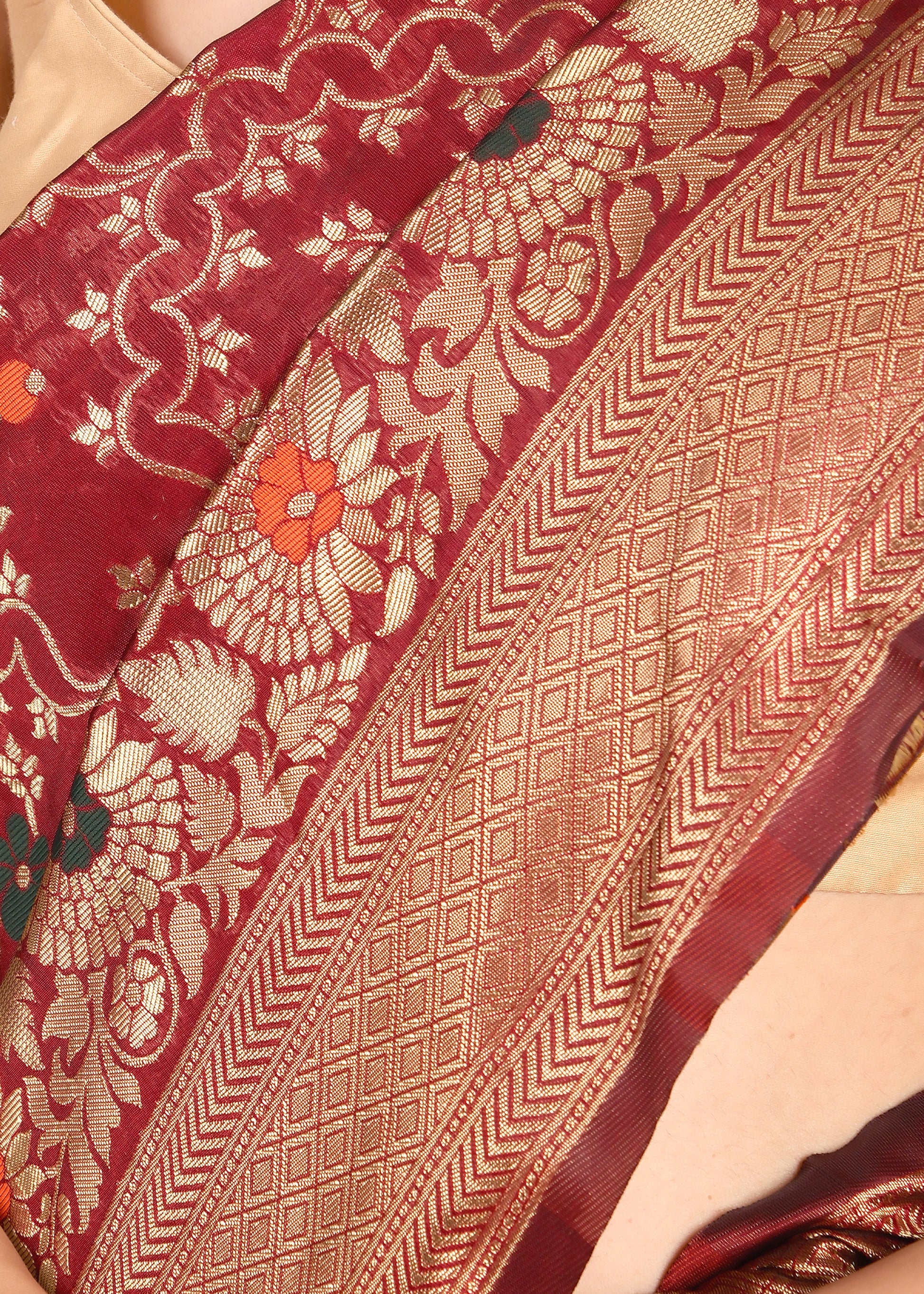
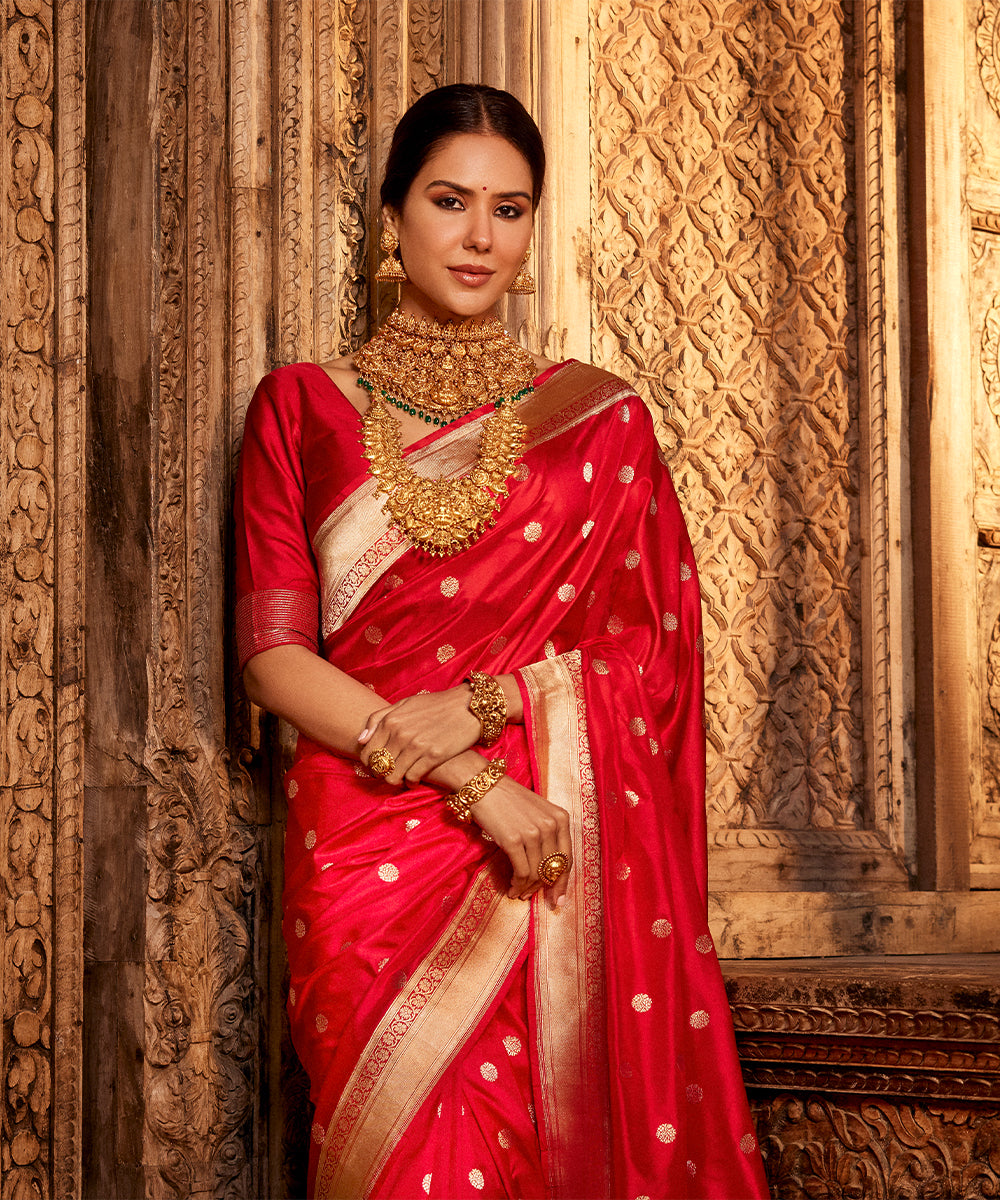
Originating from Varanasi, Banarasi silk sarees are known for their rich zari work, intricate floral motifs, and Mughal-inspired designs. They are a quintessential choice for bridal wear and grand celebrations.
2. Kanchipuram Silk Sarees
Hailing from Tamil Nadu, Kanchipuram silk sarees are admired for their durability, pure mulberry silk, and contrasting borders. Their bold colors and temple motifs reflect South India’s architectural and spiritual heritage.
3. Handloom Silk Sarees
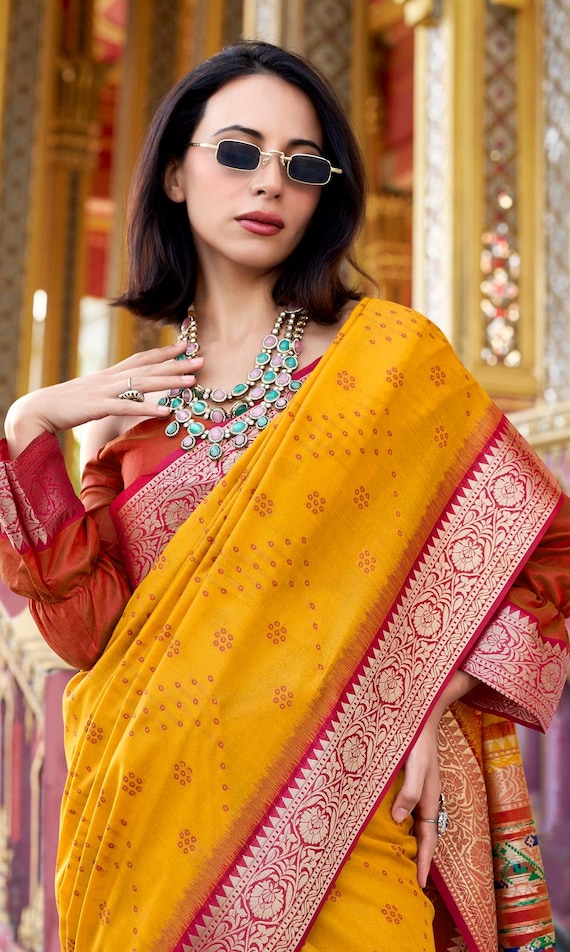
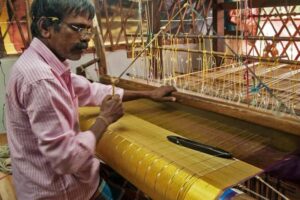
Handloom silk sarees represent the soul of Indian craftsmanship. Woven patiently on traditional looms, each saree is unique, making no two pieces exactly alike. These sarees support rural artisans and preserve centuries-old weaving techniques.
Why Handcrafted Silk Sarees Are Truly Special
-
Authenticity: Made using traditional methods without mass production
-
Artisan Skill: Each saree takes days or weeks to complete
-
Sustainability: Handloom silk supports eco-friendly and ethical fashion
-
Emotional Value: More than fashion—these sarees tell stories
At IndianHandicraftStore, we work closely with artisans to ensure fair practices and uncompromised quality.
How to Care for Your Silk Saree
To preserve the beauty of silk sarees:
-
Always dry clean for the first few washes
-
Store wrapped in soft cotton cloth
-
Avoid direct sunlight for long periods
-
Refold occasionally to prevent zari damage
Proper care ensures your silk saree remains radiant for decades.
Conclusion: A Heritage Worth Preserving
Silk sarees are living traditions—woven with patience, pride, and passion. In a world of fast fashion, they stand as symbols of slow, meaningful luxury. By choosing handcrafted silk sarees from IndianHandicraftStore, you don’t just wear elegance—you support artisans, culture, and India’s timeless textile heritage.
✨ Explore our curated silk saree collection and become a part of this enduring legacy.
Author:
Tanishq Bhardwaj