by IHS | Jan 19, 2026 | Uncategorized
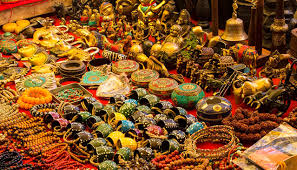
Not Made of Clay, But of Earth and Glass
One of the most surprising facts about Blue Pottery is that it isn’t actually made of clay.
Unlike standard terracotta, our pieces are crafted using a unique dough made of quartz stone powder, powdered glass, Multani Mitti (Fuller’s Earth), borax, and water. This is why they feel lighter and more delicate than standard ceramic, yet possess a glass-like strength.
The Process is a Labor of Love:
-
The Moulding: The dough is pressed into moulds by hand—no potter’s wheel is used.
-
The Painting: This is where the magic happens. Our artisans use brushes made from squirrel hair to paint intricate floral and geometric motifs freehand.
-
The Firing: The items are glazed and fired at low temperatures, locking in those vibrant cobalt blues and turquoises forever.
Did you know? If a piece cracks during the drying process (which happens often!), the artisan must discard it and start over. There are no shortcuts. When you hold a finished piece, you are holding a survivor.
Why “Imperfection” is the New Luxury
If you look closely at our bowls or vases, you might see a tiny bubble in the glaze or a brushstroke that is slightly thicker than the rest.
These aren’t flaws. These are the fingerprints of the artist.
In a digital world where everything is copy-pasted, owning something that was painted by a human hand is the ultimate luxury. It connects you to the artisan in Jaipur who sat cross-legged in the afternoon sun, mixing colors to get that perfect shade of indigo.
3 Ways to Style Blue Pottery in Your Home
You don’t need a palace to make these pieces look good. Here is how to style them in a modern apartment:
-
The Contrast: Place a vibrant Blue Pottery Vase on a wooden table. The cool blue tones pop beautifully against warm brown wood.
-
The Fruit Bowl: Use our wide-rimmed bowls on your kitchen island. Fill them with bright yellow lemons or red apples for a striking color combination.
-
The Bathroom Vanity: Swap out your plastic toothbrush holder for a small Blue Pottery tumbler. It instantly elevates the space from “functional” to “spa-like.”
Author- MUKUL CHAUHAN
by IHS | Jan 19, 2026 | Uncategorized
Introduction
Indian handicrafts are a beautiful representation of India’s rich culture and heritage. Made by skilled artisans using traditional techniques, these products are now gaining popularity across the world. With growing interest in sustainable and handmade products, Indian handicrafts have become a preferred choice for global consumers. Platforms like IndianHandicraftStore play an important role in promoting these unique creations.
⸻
Rich Cultural Heritage
Indian handicrafts reflect the traditions, history, and culture of different regions of India. Each product tells a story through its design, patterns, and craftsmanship. From wooden carvings to metal art and handwoven textiles, these handicrafts showcase India’s cultural diversity and artistic excellence.
⸻
Handmade and Unique Products
Unlike machine-made goods, handicrafts are created by hand, making every product unique. No two items are exactly the same, which adds to their charm and value. Customers worldwide appreciate the originality and personal touch that comes with handmade products.
⸻
Eco-Friendly and Sustainable
Most Indian handicrafts are made using natural, recyclable, or locally sourced materials. This makes them environmentally friendly and sustainable. As consumers become more aware of environmental issues, the demand for eco-friendly products has increased, giving Indian handicrafts a strong global appeal.
⸻
Support for Local Artisans
Buying handicrafts helps in supporting local artisans and rural communities. It provides employment opportunities and preserves traditional skills that have been passed down for generations. IndianHandicraftStore helps bridge the gap between artisans and customers by offering a digital platform to showcase their work.
⸻
Growing Global Demand
With the rise of e-commerce and digital platforms, Indian handicrafts are now easily accessible to international buyers. Their artistic value, durability, and cultural significance have contributed to their growing demand in global markets.
⸻
Conclusion
Indian handicrafts are more than just decorative items—they are a symbol of tradition, sustainability, and skilled craftsmanship. Their increasing popularity worldwide highlights the importance of preserving India’s cultural heritage. Through platforms like IndianHandicraftStore, these timeless creations continue to reach a global audience while empowering local artisans.
Author: Moksha Dutt
by IHS | Jan 19, 2026 | blog
State-Wise Exploration of Indian Handicrafts
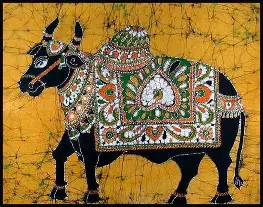
India’s handicraft heritage is deeply rooted in its states, with each region reflecting its history, geography, and cultural identity through unique art forms. A state-wise understanding of Indian handicrafts highlights the richness and diversity that make these products truly special.
Rajasthan – The Land of Royal Craftsmanship
Rajasthan is renowned for its vibrant and bold handicrafts. Traditional crafts such as blue pottery, block printing, leather goods, and miniature paintings reflect the royal legacy of the state. These products are known for their bright colors, intricate patterns, and durability, making them popular in home décor and fashion accessories.
Uttar Pradesh – Excellence in Traditional Art Forms
Uttar Pradesh plays a significant role in India’s handicraft sector. The state is famous for brassware from Moradabad, wooden carvings from Saharanpur, chikankari embroidery from Lucknow, and glassware from Firozabad. These crafts demonstrate fine detailing and skilled workmanship passed down through generations.
West Bengal – Artistic and Cultural Expression
West Bengal’s handicrafts are deeply influenced by art and literature. Terracotta crafts from Bankura, Kantha embroidery, and clay idols from Kumartuli showcase creativity and cultural symbolism. These products often carry emotional and artistic value, making them ideal for both décor and gifting.
Gujarat – Tradition with Vibrant Identity
Gujarat is known for its colorful and lively handicrafts such as bandhani textiles, mirror work embroidery, beadwork, and clay crafts. The state’s handicrafts reflect community traditions and are widely appreciated for their bold designs and cultural significance.
Assam – The Pride of Handloom Heritage
Assam’s handicrafts primarily revolve around handloom textiles. Products made from silk varieties like Muga, Eri, and Pat silk are globally admired. Bamboo and cane crafts are also widely produced, reflecting sustainability and eco-conscious living.
Kashmir (Jammu & Kashmir) – Timeless Elegance
Kashmir is globally recognized for its premium handicrafts such as Pashmina shawls, hand-knotted carpets, papier-mâché items, and walnut wood carving. These crafts are known for their sophistication, intricate detailing, and high-quality craftsmanship.
Tamil Nadu – Temple-Inspired Craftsmanship
Tamil Nadu’s handicrafts are strongly influenced by temple architecture and classical art. Bronze sculptures, stone carvings, Tanjore paintings, and traditional handloom sarees reflect the state’s deep spiritual and artistic roots.
Odisha – Heritage Through Handicrafts
Odisha is known for silver filigree work, Pattachitra paintings, and appliqué crafts. These handicrafts are closely connected to religious traditions and local folklore, making them culturally rich and visually distinctive.
Maharashtra – A Blend of Tradition and Utility
Maharashtra offers a wide range of handicrafts including Warli paintings, Kolhapuri footwear, Paithani sarees, and Bidriware. These crafts combine traditional artistry with everyday usability, appealing to modern consumers.
Conclusion
Each Indian state contributes uniquely to the country’s handicraft ecosystem. Understanding handicrafts on a state-wise basis not only highlights India’s cultural diversity but also emphasizes the importance of preserving regional art forms. Platforms like IndianHandicraftStore help bring these state-specific crafts to a wider audience, ensuring artisans receive recognition and sustainable livelihoods.
Choosing state-wise handcrafted products allows consumers to appreciate India’s heritage while making responsible and meaningful purchasing decisions.
Author- sneha gupta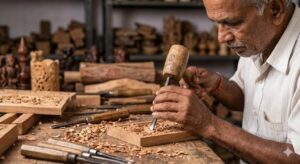
by IHS | Jan 19, 2026 | Uncategorized
It’s Not Just Décor, It’s a Feeling
Think about your favorite corner in your home. Maybe it’s your study table, your balcony, or your living room sofa.
Now imagine that space without any personality — plain walls, basic furniture, and no character. It feels empty, right?
That’s exactly what Indian handicrafts change.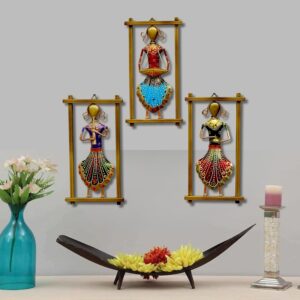
A simple handmade item — a painted lamp, a woven rug, or a clay planter — does more than decorate a room. It brings warmth, story, and emotion into your space. You don’t just see it; you feel it.
In a world where most things are mass-produced, Indian handicrafts remind us of patience, artistry, and human touch. They make houses feel like homes and workspaces feel more inspiring.
In this blog, we’ll explore how small handcrafted pieces can make a surprisingly big difference in everyday living.
Why Handcrafted Pieces Feel Different
Have you ever noticed how two identical factory-made items feel… well… identical?
Handicrafts are different.
Every piece is slightly unique because it is made by human hands, not machines. That tiny variation — a brushstroke, a weave pattern, a carving line — is what gives it soul.
When you place a handcrafted item in your room, it feels personal, not commercial.
It adds:
- Warmth
- Character
- Texture
- Cultural depth
Instead of looking like a showroom, your space starts feeling like you.
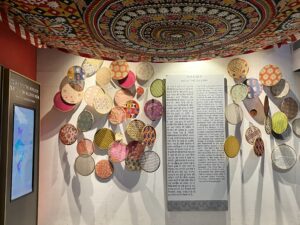
How Handicrafts Transform Different Spaces
1. Living Room – Your Home’s Personality
Your living room is where guests form their first impression of your home.
A few thoughtfully chosen handicrafts can completely elevate the space:
- A handwoven rug can make the room feel cozy.
- A brass diya or statue can add elegance.
- A colorful wall painting can become a conversation starter.
Suddenly, your living room isn’t just furniture — it becomes a story of Indian craftsmanship.
2. Bedroom – Peaceful and Personal
Your bedroom should feel calm, comfortable, and intimate.
Handmade textiles work beautifully here:
- Block-printed bedsheets
- Embroidered cushions
- Wooden bedside lamps
These elements create a soothing, earthy, and comforting atmosphere — perfect for relaxation.
3. Work-from-Home Space – Creativity Over Clutter
Many of us now study or work from home.
A boring desk can make you feel tired, but a beautifully styled one can lift your mood.
Try adding:
- A handmade pen stand
- A small terracotta plant pot
- A wooden calendar or photo frame
These little touches make your workspace more joyful and inspiring.
Handicrafts Make Meaningful Gifts
Have you ever received a gift that felt too generic?
Handcrafted items feel different because they carry thought, effort, and meaning.
They are perfect for:
- Housewarmings
- Weddings
- Festivals
- Corporate gifting
- Birthdays
Instead of gifting something plastic or mass-made, you give a piece of culture and craftsmanship.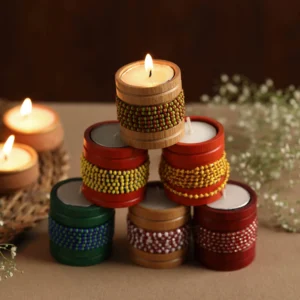
Decorating Without Hurting the Planet
One of the most beautiful things about Indian handicrafts is that they are naturally eco-friendly.
Most are made from:
- Clay
- Bamboo
- Jute
- Cotton
- Wood
- Natural dyes
So when you decorate with handicrafts, you are not just making your home beautiful — you are also making an environmentally responsible choice.
You are choosing sustainability over waste.
What Our Handicraft Stores Stands For
Our stores are not just about selling products.
It is about:
- Supporting artisans
- Preserving traditions
- Promoting sustainability
- Connecting rural craftsmanship with modern homes
We see ourselves as a bridge — between skilled artisans and conscious consumers who value culture and quality.
Our promise is simple:
We bring authentic Indian craftsmanship into modern everyday living.
Big Change Starts with Small Crafts
You don’t need a full home makeover to create a beautiful space.
Sometimes, one handmade piece is enough to transform the entire vibe of a room.
Indian handicrafts bring warmth, culture, and meaning into everyday life. They remind us that beauty is not about perfection — it’s about heart, story, and tradition.
When we choose handicrafts, we are not just decorating our home — we are celebrating India’s artistic soul.
Author: Vinay Sejwal
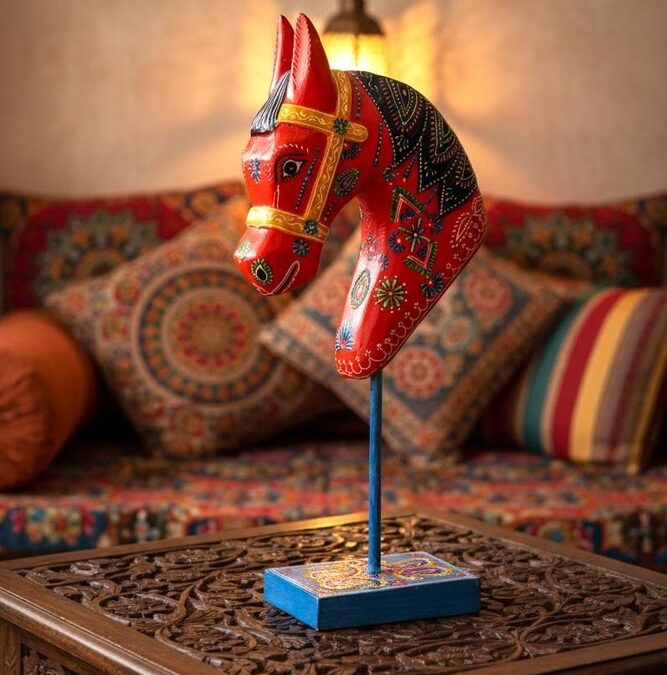
by IHS | Jan 19, 2026 | Uncategorized

INTRODUCTION
Handlooms are the soul of Indian craftsmanship. Long before machines and factories, Indian artisans wove stories, traditions, and identities into fabric using simple looms and exceptional skill. Each handloom product reflects patience, heritage, and regional pride — making it far more than just cloth.
At IndianHandicraftStore, we celebrate India’s handloom legacy by connecting skilled weavers with modern consumers. This blog explores the importance of Indian handlooms, their relevance today, and why choosing handloom products is a step toward sustainable and ethical living.
The Heritage of Indian Handlooms
India is home to one of the world’s richest handloom traditions. Every region has its own distinct weaving style, patterns, and techniques:
- Banarasi Silk from Uttar Pradesh, known for its luxurious texture and intricate zari work
- Kanchipuram Silk from Tamil Nadu, famous for durability and vibrant colors
- Khadi, a symbol of self-reliance and simplicity
- Ikat & Pochampally weaves, admired for their geometric designs and dyeing techniques
- Chanderi and Maheshwari fabrics, valued for their lightness and elegance
Each handloom tells a story of its origin, culture, and the artisan behind it.
Why Handlooms Matter Today
In today’s fast-fashion world, handlooms stand out as a meaningful alternative.
1. Sustainable & Eco-Friendly
Handloom fabrics consume minimal electricity, use natural fibers, and often involve eco-friendly dyes, making them environmentally responsible.
2. Unique & Authentic
No two handloom pieces are exactly the same. Minor variations in weave and texture add to their authenticity and charm.
3. Empowering Weavers
Choosing handloom directly supports rural weavers and helps preserve traditional skills passed down through generations.
Handlooms in Modern Fashion and Home Décor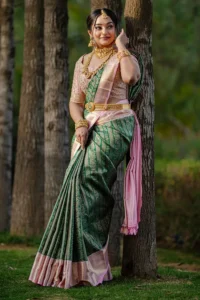
Handloom products blend effortlessly with contemporary lifestyles:
- Fashion: Handloom sarees, dupattas, kurtas, and stoles are now styled with modern silhouettes and global designs.
- Home Décor: Cushion covers, curtains, table runners, and rugs made from handloom fabrics add warmth and elegance to homes.
- Everyday Wear: Breathable handloom cottons are ideal for daily comfort, especially in Indian climates.
(Visual Suggestion: Images of handloom sarees, fabrics, and home décor products styled in modern settings)
Why Choose Handlooms from IndianHandicraftStore?
At IndianHandicraftStore, we are committed to:
- Sourcing authentic handloom products directly from weavers
- Ensuring fair wages and ethical trade practices
- Offering high-quality, durable fabrics
- Promoting India’s handloom heritage through responsible commerce
Every handloom product you buy helps sustain a craft, a community, and a centuries-old tradition.
Conclusion
Handlooms represent patience, sustainability, and cultural identity in a rapidly changing world. By choosing handloom products, you make a conscious choice — to value craftsmanship over convenience and tradition over trends.
Discover the beauty of handwoven excellence with IndianHandicraftStore, where every thread carries a legacy.
AUTHOR : DIYA