by IHS | Jan 19, 2026 | blog
Introduction
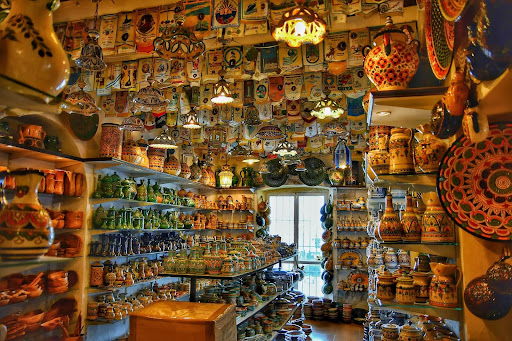
Indian handicrafts are a powerful representation of India’s rich cultural heritage, artistic traditions, and skilled craftsmanship. Rooted in centuries-old practices, these handcrafted products reflect the diversity, creativity, and cultural identity of different regions of India. In today’s digital era, where mass-produced goods dominate the market, Indian handicrafts continue to stand out for their authenticity, sustainability, and cultural value.
Cultural Significance of Indian Handicrafts
Every Indian handicraft tells a story of tradition and regional identity. From handwoven textiles and pottery to wooden carvings and metal art, each craft is influenced by local history, climate, and customs. These traditional crafts are often passed down through generations, preserving indigenous techniques and artistic expressions. Indian handicrafts are not just products; they are living symbols of India’s cultural legacy.
Importance of Handicrafts in the Modern Digital World
In the modern world, consumers are becoming more conscious of sustainable and ethical products. Indian handicrafts promote eco-friendly production methods, reduce dependency on machines, and support rural livelihoods. With the rise of digital platforms, Handicraft are now easily accessible to a global audience. Online handicraft stores help bridge the gap between artisans and customers by providing visibility, fair pricing, and wider market reach.
Role of Indian Handicraft Store in Supporting Artisans
Indian Handicraft Store plays a vital role in promoting authentic Indian handicrafts by connecting skilled artisans with digital consumers. The platform ensures that artisans receive fair value for their work while customers gain access to genuine handmade products. By leveraging digital marketing, social media, and e-commerce tools, Indian Handicraft Store helps preserve traditional art forms while adapting them to modern consumer needs.
Why Supporting Indian Handicrafts Matters
Supporting Indian handicrafts contributes to the preservation of cultural heritage, empowerment of local artisans, and promotion of sustainable consumption. Every purchase helps sustain traditional skills and strengthens rural economies. Choosing handcrafted products encourages ethical buying behavior and helps keep India’s artistic traditions alive.
Conclusion
Indian handicrafts are a blend of tradition, creativity, and cultural pride. In a digitally connected world, platforms like Indian Handicraft Store ensure that these timeless crafts continue to thrive. By supporting Indian handicrafts, consumers not only own unique handmade products but also become part of a larger movement to preserve India’s cultural heritage
by IHS | Jan 19, 2026 | blog
Introduction
Indian handicrafts represent the rich culture, tradition, and creativity of India. These products are handmade by skilled artisans using traditional techniques that have been passed down through generations. In today’s modern lifestyle, Indian handicrafts are becoming very popular because they add beauty, uniqueness, and a personal touch to home décor. This blog explains why Indian handicrafts are a perfect choice for modern homes and why people should support them.
- Unique and Handmade Designs
One of the biggest benefits of Indian handicrafts is that every product is handmade. This makes each item unique and special. Unlike machine-made products, handicrafts have natural variations in design and finishing, which give them a distinct identity. These unique designs help modern homes stand out and look more attractive.
- Perfect Blend of Tradition and Modern Style
Indian handicrafts easily blend with modern interiors. Products such as wooden décor items, wall hangings, lamps, and pottery add a traditional touch while matching modern furniture and layouts. This mix of tradition and modern design creates a warm and elegant environment at home.
- Eco-Friendly and Sustainable Products
Most Indian handicrafts are made using natural materials like wood, clay, metal, and fabric. These materials are eco-friendly and safe for the environment. By choosing handicrafts, customers contribute to sustainable living and reduce the use of plastic and factory-made items.
- Supporting Local Artisans and Communities
Buying Indian handicrafts directly supports local artisans and rural communities. Many artisans depend on handicraft work for their livelihood. Purchasing these products helps them earn income and keeps traditional art forms alive. This also promotes the concept of Vocal for Local.
- Ideal for Home Décor and Gifting
Indian handicrafts are not only suitable for home décor but also make perfect gifts for festivals, weddings, housewarming ceremonies, and special occasions. Handmade gifts are meaningful, beautiful, and show care and thoughtfulness.
Visual Elements (For Blog Enhancement)
To make the blog more engaging, the following visuals can be included:
- Images of handmade products
- Photos showing artisans at work
- Home décor images using handicraft items
These visuals increase reader interest and improve user engagement.
Conclusion
Indian handicrafts are a perfect choice for modern homes as they combine beauty, tradition, sustainability, and cultural value. They enhance home décor while supporting artisans and protecting the environment. Choosing Indian handicrafts is not just about decoration but also about preserving India’s heritage.
Author
Mayank Khandelwal

by IHS | Jan 19, 2026 | Sustainable Handicrafts
Introduction
When entering a room and felt that something was missing? You might have the perfect furniture and the right paint color, but the space still feels unreal.
In a world filled with mass-produced items from big-box stores, finding decor that feels special can be a challenge. This is where Indian Handicrafts come in. They are not just objects; they are pieces of history, culture, and art. At Indian Handicraft Store, we believe that your home should tell a story.
In this, we will explore why swapping factory-made goods for traditional Indian crafts is the best decision you can make for your home and the planet.
Every Piece is Unique (No Two Are Alike)
When you buy a machine-made vase, thousands of other people have the exact same one. But when you buy a handcrafted Blue Pottery vase or a hand-woven rug, you are getting something truly one-of-a-kind.
Because these items are made by human hands, slight variations in color, texture, and design occur. These aren’t “flaws”; they are the signatures of the artisan. This uniqueness adds character and warmth to your living room that plastic or metal decor simply cannot match.

It is the Sustainable, Eco-Friendly Choice
We all want to do our part for the environment. The good news is that Indian handicrafts are naturally sustainable. Most traditional crafts use locally sourced, biodegradable materials like:
- Clay and Terracotta (Pottery)
- Jute and Cotton (Textiles)
- Bamboo and Cane (Furniture and baskets)
- Natural Vegetable Dyes (Painting and printing)
Unlike mass production, which creates huge amounts of waste and pollution, handicraft production has a very low carbon footprint. By choosing Indian Handicraft Store, you are choosing a greener planet.
Supporting the ‘Vocal for Local’ Movement
Behind every beautiful artifact is a skilled artisan who has inherited their craft from generations before them. Unfortunately, many of these art forms are dying out because they cannot compete with cheap factory goods.
When you purchase a handicraft, you are directly supporting the livelihood of an artisan in a rural Indian village. You are helping to keep ancient traditions alive and ensuring that these skills are passed down to the next generation. It is shopping with a purpose.

Versatility in Modern Decor
A common myth is that traditional crafts only look good in “traditional” homes. This isn’t true! In fact, Indian handicrafts serve as excellent accent pieces in modern, minimalist homes.
-
Contrast is Key: A colorful Madhubani painting looks stunning against a plain white wall.
-
Texture: A rough, handmade jute rug adds warmth to a sleek, modern floor.
-
Pop of Color: Bright puppets or brass lamps can break the monotony of a grey or beige room.
Conclusion
Indian handicrafts offer the perfect blend of style, sustainability, and soul. They allow you to decorate your home in a way that is beautiful, unique, and socially responsible.
Explore our latest collection of hand-picked treasures at Indian Handicraft Store and bring a piece of India’s heritage into your home today.
Shop the Collection Now

Author: Akul Garg
by IHS | Jan 19, 2026 | Uncategorized
Indian Handicrafts: Preserving Tradition Through Sustainable Art
Introduction
India’s rich cultural heritage is beautifully reflected in its handicrafts. From handwoven textiles and pottery to woodwork and metal crafts, Indian handicrafts represent centuries of tradition, skill, and creativity. In today’s fast-paced, machine-driven world, sustainable handicrafts play a crucial role in preserving traditional art forms while supporting local artisans. At IndianHandicraftStore, we aim to celebrate these timeless creations and promote responsible, ethical, and sustainable craftsmanship.
What Are Indian Handicrafts?
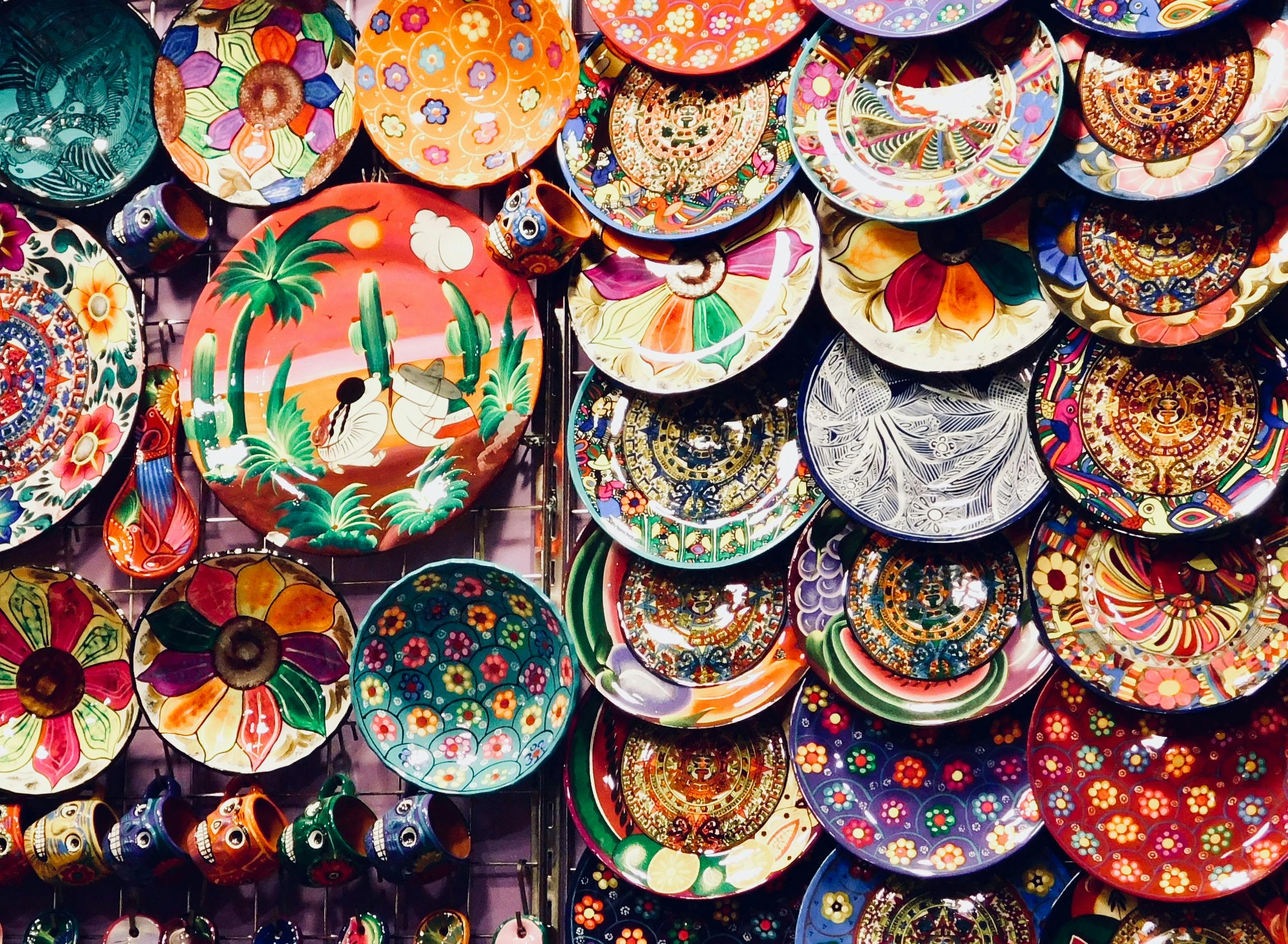
Indian handicrafts are products made largely by hand using traditional tools and techniques passed down through generations. These crafts reflect regional culture, history, and identity. Some popular Indian handicrafts include handloom textiles such as Banarasi silk, Khadi, and Ikat, terracotta and clay pottery, wooden carvings and furniture, metal crafts such as brass and copperware, and tribal and folk art like Madhubani and Warli.
Visual suggestion: Image collage of different Indian handicrafts from various states.
The Importance of Sustainability in Handicrafts
Sustainability in handicrafts focuses on eco-friendly materials, ethical production, and long-term livelihood for artisans. Unlike mass-produced goods, handicrafts use natural and biodegradable materials, require minimal energy consumption, reduce environmental impact, and promote slow and conscious consumption. By choosing sustainable handicrafts, consumers help protect the environment while preserving India’s cultural legacy.
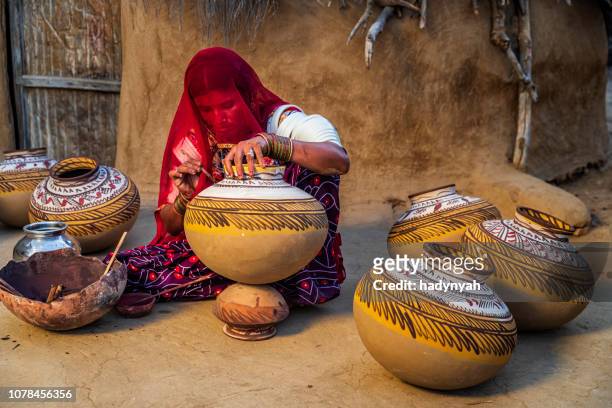
Visual suggestion: Image showing artisans working with natural materials.
Role of Artisans in India’s Craft Heritage
Artisans are the backbone of the Indian handicraft industry. Many of them come from rural and tribal communities where craft-making is a primary source of income. However, globalization and industrialization have posed serious challenges to their survival. Supporting platforms like IndianHandicraftStore helps provide fair wages to artisans, encourage skill preservation, create employment opportunities, and empower women artisans.
Why Choose Indian HandicraftStore?
Indian HandicraftStore is committed to promoting authentic, handmade products while ensuring ethical sourcing and quality. Our platform connects artisans directly with customers, eliminating middlemen and ensuring transparency. We offer authentic handmade products, sustainable and eco-friendly crafts, fair trade practices, and strong support for local artisan communities.
Visual suggestion: Product images along with artisan stories or behind-the-scenes photos.
How Consumers Can Make a Difference
Every purchase decision matters. Consumers can support Indian handicrafts by choosing handmade over mass-produced products, promoting local artisans and crafts, spreading awareness about sustainable living, and buying from ethical platforms like IndianHandicraftStore. Small conscious choices can create a big impact on artisans’ lives and the environment.
Conclusion
Indian handicrafts are not just products; they are stories of culture, tradition, and craftsmanship. By embracing sustainable handicrafts, we help preserve India’s heritage while promoting ethical and responsible consumption. Through IndianHandicraftStore, we strive to keep these traditions alive and connect timeless art with modern lifestyles.
Author
Tanya gugnani
by IHS | Jan 19, 2026 | Uncategorized
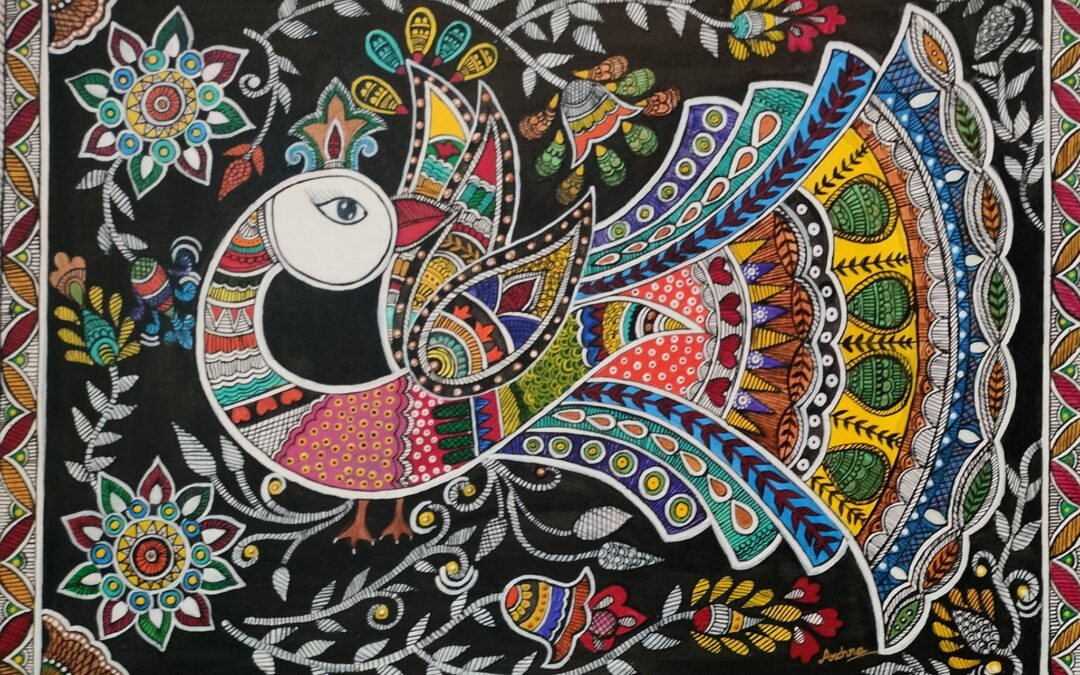
India’s cultural richness is best reflected through its traditional art forms, and Madhubani handicrafts stand as a powerful symbol of this heritage. Originating from the Mithila region of Bihar, Madhubani art is more than decoration; it is a visual language that narrates stories of mythology, nature, and daily life. In today’s world of mass production, Madhubani handicrafts have gained renewed importance as consumers seek authenticity, sustainability, and cultural connection.
Madhubani art, also known as Mithila painting, has a history dating back several centuries. Traditionally practiced by women on the walls and floors of their homes, this art form was used to depict religious rituals, festivals, and important life events. The paintings commonly illustrate themes from the Ramayana, Mahabharata, Hindu deities, animals, birds, and natural elements, making each piece deeply symbolic and culturally meaningful.
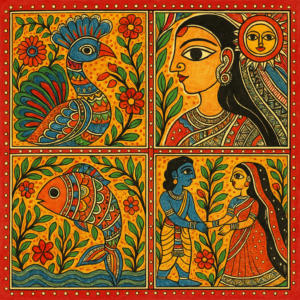
One of the most distinctive features of Madhubani handicrafts is the use of natural colours and materials. Artists traditionally use dyes extracted from plants, flowers, and minerals, making the art form eco-friendly and sustainable. The bold outlines, intricate geometric patterns, and vibrant colours give Madhubani art its unique visual identity. Each symbol used in the artwork carries meaning—for example, fish represent prosperity and fertility, while peacocks symbolise love and harmony.
In modern times, Madhubani art has evolved beyond wall paintings and is now used across a wide range of handicraft products such as wall décor, paintings, textiles, apparel, and lifestyle accessories. These handcrafted items blend beautifully with contemporary interiors, adding warmth, tradition, and storytelling to modern living spaces. Designers and consumers alike appreciate Madhubani handicrafts for their ability to combine traditional aesthetics with modern functionality.
Madhubani handicrafts also play an important role in promoting sustainable and ethical consumption. By choosing handcrafted products, consumers support local artisans, preserve traditional skills, and contribute to rural employment. This art form aligns perfectly with the growing global demand for environmentally responsible and socially conscious products.
At IndianHandicraftStore, we curate authentic Madhubani handicrafts sourced directly from artisan communities in Bihar. Each product reflects originality, craftsmanship, and cultural integrity while ensuring quality and fair value for both artisans and customers.
In conclusion, Madhubani handicrafts are not just artistic creations but cultural expressions that connect the past with the present. They represent tradition, sustainability, and timeless storytelling. Choosing Madhubani handicrafts means embracing India’s rich heritage while supporting artisans and conscious living.
Explore the exclusive Madhubani handicraft collection at IndianHandicraftStore and bring home art that tells a story of tradition, culture, and creativity.