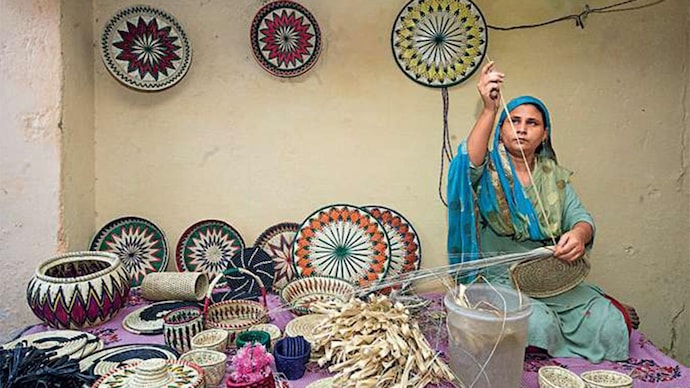

Why Indian Handicrafts Matter in the Age of Mass Production?
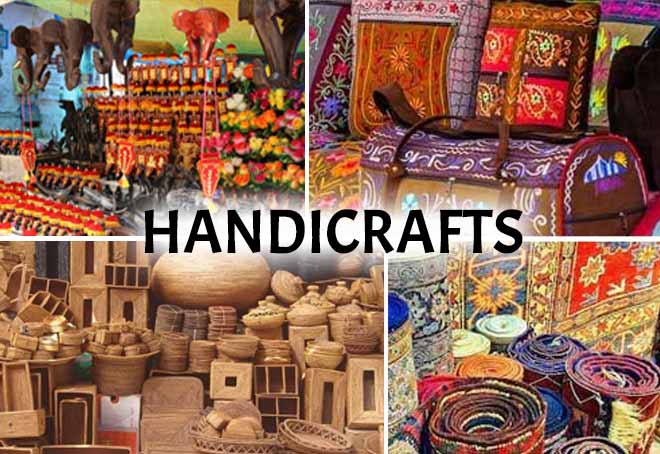 In today’s fast-paced world, most products are made in factories using machines. These mass-produced goods are cheaper, easily available, and produced in large quantities. However, in this age of machines and speed, Indian handicrafts continue to hold special importance. Indian handicrafts represent tradition, creativity, and human effort. They reflect the cultural identity of India and the skills of artisans passed down through generations. This blog explains why Indian handicrafts still matter in the age of mass production and why they deserve appreciation and support.
Understanding Mass Production and Its Limitations
Mass production involves manufacturing goods on a large-scale using machines and assembly lines. While this method reduces cost and saves time, it often results in products that lack originality and emotional value. Machine-made items are usually identical and designed for quick use and disposal.
For example, factory-made home décor or clothes may look attractive, but they do not carry the cultural depth and craftsmanship seen in handmade products. Mass production also increases environmental pollution and reduces employment opportunities for skilled artisans.
Uniqueness and Authenticity of Indian Handicrafts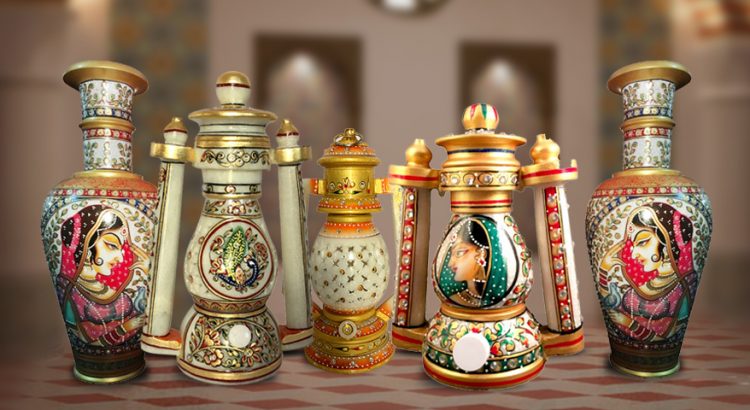
One of the strongest reasons Indian handicrafts matter is their uniqueness. Each handicraft item is made by hand and carries the personal touch of the artisan. No two products are exactly the same. A handwoven Banarasi saree, a hand-painted Madhubani artwork, or blue pottery from Jaipur reflects detailed craftsmanship and traditional knowledge. These items take days or even weeks to complete, making them special and valuable in a world of instant products.
Cultural and Traditional Significance
Indian handicrafts are closely linked to the country’s traditions, festivals, and daily life. They tell stories of history, beliefs, and regional identities. For instance, terracotta lamps are used during Diwali, Pattachitra paintings depict mythological tales, and Warli paintings show tribal life and harmony with nature. Through these crafts, cultural traditions are preserved and passed on to future generations.
Employment and Rural Livelihood Support
Handicrafts play an important role in providing employment, especially in rural areas. Millions of artisans depend on handicrafts for their livelihood. A weaver in Varanasi, a metal artisan in Moradabad, or an embroiderer in Kutch relies on this work to support their family. Unlike mass production, handicrafts encourage skill-based employment and promote self-reliance among artisans.
Sustainability and Environmental Benefits
Indian handicrafts are generally eco-friendly because they use natural materials and traditional methods. They require less energy and produce less waste compared to factory-made products. For example, handloom textiles, clay pottery, and wooden toys are biodegradable and sustainable. In an age where environmental concerns are increasing, handicrafts offer a responsible and green alternative to mass-produced goods.
Emotional Value and Human Connection
Handicrafts carry emotions and stories. Every handmade item reflects the effort, patience, and dedication of the artisan. This human connection makes handicrafts more meaningful than machine-made products. Owning a hand-embroidered shawl or a handcrafted painting often creates a personal bond with the product. Such items are not easily replaced, unlike mass-produced goods.
Role of Consumers in Preserving Handicrafts
Consumers also have a responsibility in preserving Indian handicrafts. By choosing handmade products, people support artisans and encourage traditional skills. Buying handloom fabrics, handcrafted décor items, or traditional paintings helps keep handicrafts relevant in modern society. Small choices by consumers can make a big difference.
Conclusion
In the age of mass production, Indian handicrafts stand as a symbol of culture, creativity, and sustainability. While machines offer speed and uniformity, they cannot replace the warmth and authenticity of handmade products. Supporting Indian handicrafts means preserving tradition, supporting artisans, and choosing a more meaningful way of living. Indian handicrafts are not just products; they are stories created by human hands, and they deserve to be valued and protected.
Tanisha Singhania (MABSPG24057)