

India is famous for its rich culture and traditional art forms. Indian handicrafts are an important part of this heritage. Every handmade product shows the skill, creativity, and dedication of the artisan who makes it. From handwoven sarees and pottery to wooden carvings and folk paintings, these crafts are created with great care and patience. However, the life of an Indian handicraft artisan is not easy. This blog describes a typical day in the life of an Indian handicraft artisan, along with examples of crafts and government initiatives that support them.
Early Morning: Beginning the Day with Preparation
The day of an Indian handicraft artisan usually begins early in the morning, especially in rural areas. After finishing household work, artisans start preparing for their craft. For example, a potter in Rajasthan prepares clay for making pots and diyas. A Banarasi weaver in Varanasi sets silk threads on the handloom. A Madhubani artist from Bihar prepares natural colors using plants and minerals. These activities show how artisans depend on traditional methods and natural resources to create their crafts.
Morning Work Hours: Crafting with Skill and Patience
Morning hours are the most productive. Artisans focus deeply on their work because handicrafts require patience and attention to detail. A handloom weaver may take several days or even weeks to complete one saree. A wood carver from Saharanpur carefully carves traditional floral designs on wood. A blue pottery artisan from Jaipur hand-paints delicate patterns on pottery items. Each handmade product is unique, and no two items are exactly the same.
Midday: Physical Effort and Daily Challenges
By midday, artisans begin to feel tired due to long working hours. Sitting for long periods causes back pain, eye strain, and hand fatigue. For example, artisans doing Phulkari or Zardozi embroidery work on fine designs that strain their eyes and hands. Metal artisans in Moradabad work with heavy tools and heat. Despite these difficulties, artisans continue working because handicrafts are their main source of income.
Afternoon: Finishing Work and Market Preparation
In the afternoon, artisans focus on finishing touches such as polishing, drying, coloring, or decorating products. This stage is very important as it improves the quality and appearance of the craft. A terracotta artisan in West Bengal dries clay items before firing them in a kiln. A Pattachitra artist from Odisha adds final details to traditional paintings. Many artisans prepare their products for local markets or exhibitions. However, most artisans depend on middlemen who pay low prices for their work, which affects their earnings.
Evening: Learning and Passing on Skills
Evenings are often spent learning and sharing knowledge. Older artisans teach traditional techniques to younger family members to keep the craft alive. For example, Kutch embroidery artisans in Gujarat pass their stitching styles to the next generation. Some artisans also learn modern designs and online selling methods. Government training programs and workshops help artisans improve their skills and income.
Night: Reflection, Pride, and Hope
At night, artisans clean their workspace and reflect on their day’s work. Completing a Warli painting, a handcrafted diya, or a woven scarf gives them a sense of pride and satisfaction. Before sleeping, they plan for the next day and hope for better opportunities, recognition, and support.
Why Supporting Indian Handicrafts Is Important
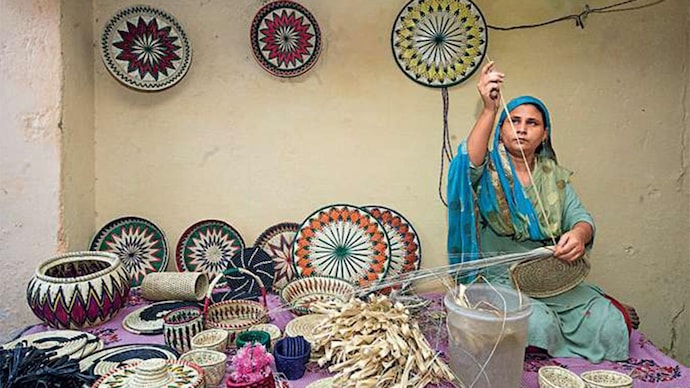
Indian handicrafts support rural employment, preserve cultural traditions, and promote eco-friendly practices. When people choose handmade products over machine-made ones, they support artisans and help keep traditional crafts alive. Buying a handwoven saree, wooden toy, or handcrafted painting directly benefits the artisan and protects India’s cultural heritage.
Conclusion
A day in the life of an Indian handicraft artisan is filled with hard work, creativity, and dedication. From early morning preparation to late-night reflection, artisans devote their lives to preserving India’s traditional art forms. Despite many challenges, government initiatives and growing awareness are helping improve their lives. Supporting Indian handicrafts means valuing tradition, skill, and the human effort behind every handmade product.
Tanisha Singhania (MABSPG24057)