

Introduction: Threads That Bind India’s Past, Present, and Future
India is a land of stories—stories etched not only in scriptures, monuments, and folklore, but also woven, carved, painted, and molded into everyday objects. From a handwoven Banarasi sari shimmering with centuries of tradition to a humble terracotta diya lighting up a modern apartment balcony, Indian handicrafts form an inseparable part of the nation’s cultural soul. They are not merely decorative or utilitarian items; they are living symbols of India’s heritage, identity, and collective memory.
In today’s fast-paced, digital-first world, where mass production and instant gratification dominate consumption patterns, Indian handicrafts stand as a powerful reminder of patience, skill, and human creativity. They connect generations, preserve regional identities, support millions of artisans, and represent a sustainable way of living that modern society is increasingly seeking.
This blog explores the importance of Indian handicrafts in Indian heritage, tracing their historical roots, cultural significance, economic value, and contemporary relevance. It also highlights why preserving and promoting handicrafts is not just about honoring the past, but about shaping a more inclusive, ethical, and culturally rich future.

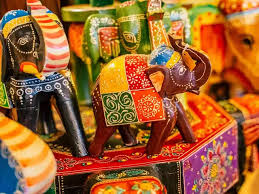
Historical Roots of Indian Handicrafts
Indian handicrafts date back thousands of years, with evidence found in the Indus Valley Civilization (c. 3300–1300 BCE). Archaeological findings reveal terracotta figurines, pottery, beads, seals, and jewelry that showcase advanced craftsmanship and aesthetic sensibilities. These early crafts were not isolated activities; they were deeply integrated into daily life, trade, and spiritual practices.
During ancient and medieval periods, Indian handicrafts flourished under royal patronage. Dynasties such as the Mauryas, Guptas, Cholas, Mughals, and Rajputs encouraged artisans, leading to the refinement of crafts like stone carving, metalwork, miniature painting, weaving, and embroidery. Indian textiles—particularly muslin, silk, and cotton—were globally renowned and traded along the Silk Route, reaching markets in Rome, Persia, China, and Southeast Asia.
Even during colonial rule, when Indian crafts suffered due to industrial imports and exploitative policies, they survived through local communities and traditions passed down within families. This resilience highlights how handicrafts have always been more than an occupation—they are a legacy of cultural resistance and continuity.

Diversity of Indian Handicrafts: A Reflection of Unity in Diversity
India’s cultural diversity is vividly mirrored in its handicrafts. Every region, climate, and community has contributed uniquely to the country’s artisanal landscape.
1. Textiles and Weaves
India’s textile heritage is among the richest in the world. Each weave tells a story of geography, tradition, and social identity.
- Banarasi Silk (Uttar Pradesh): Known for its opulence and intricate zari work, often associated with weddings and ceremonies.
- Kanjeevaram Silk (Tamil Nadu): Celebrated for its durability, vibrant colors, and temple-inspired motifs.
- Pashmina (Kashmir): Luxurious, soft shawls crafted from fine wool, symbolizing elegance and warmth.
- Ikat and Bandhani (Odisha, Gujarat, Rajasthan): Tie-and-dye techniques reflecting regional aesthetics and symbolism.
2. Pottery and Terracotta
Pottery is one of India’s oldest crafts, closely linked to rural life and rituals.
- Blue Pottery (Jaipur): Known for its Persian influence and distinctive blue hues.
- Terracotta (West Bengal, Assam, Tamil Nadu): Used for idols, household items, and architectural elements.
3. Metal and Stone Crafts
- Dhokra Art (Chhattisgarh, Odisha): A non-ferrous metal casting technique over 4,000 years old.
- Bidriware (Karnataka): Metal inlay work with silver designs on blackened alloy.
- Stone Carving (Odisha, Rajasthan): Seen in temples, sculptures, and decorative pieces.
4. Painting and Folk Art
Indian folk paintings are visual narratives of mythology, nature, and daily life.
- Madhubani (Bihar)
- Warli (Maharashtra)
- Pattachitra (Odisha, West Bengal)
- Kalamkari (Andhra Pradesh, Telangana)
This immense diversity reflects India’s philosophy of unity in diversity, where different traditions coexist and enrich the collective heritage.
Cultural and Social Significance of Handicrafts
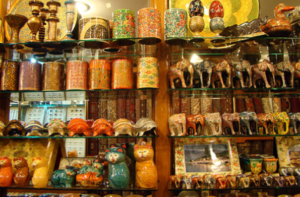
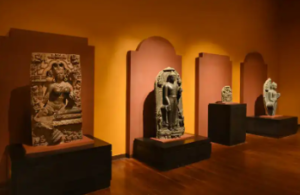
Indian handicrafts play a crucial role in preserving cultural identity and social traditions.
1. Preservation of Traditions and Rituals
Many handicrafts are intrinsically linked to festivals, ceremonies, and religious practices. Diyas during Diwali, rangoli designs, handcrafted idols, and ceremonial textiles are all examples of how crafts are woven into the spiritual fabric of Indian life.
2. Storytelling and Symbolism
Motifs used in handicrafts often carry deep meanings—peacocks symbolizing beauty, lotus flowers representing purity, and geometric patterns signifying cosmic order. Through these symbols, artisans pass down stories, beliefs, and values across generations.
3. Community Identity and Pride
For many artisan communities, crafts are central to their identity. Skills are inherited, refined, and celebrated within families, fostering a strong sense of pride and belonging.
Economic Importance: Livelihoods and Inclusive Growth
The handicraft sector is a major source of employment in India, particularly in rural and semi-urban areas. It supports millions of artisans, many of whom belong to marginalized communities.
1. Employment Generation
Handicrafts provide self-employment opportunities, especially for women, helping promote financial independence and social empowerment.
2. Contribution to Exports and Tourism
Indian handicrafts are highly valued in global markets. Tourists often seek authentic handcrafted souvenirs, making crafts an integral part of cultural tourism.
3. Inclusive and Sustainable Economy
Unlike large-scale industries, handicrafts operate on a decentralized model, ensuring that economic benefits reach grassroots levels.
Handicrafts in the Modern Digital Age
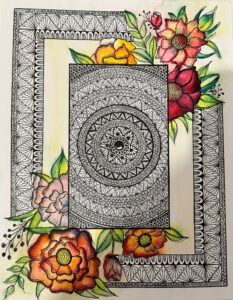

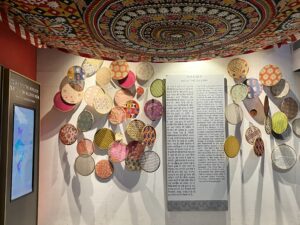
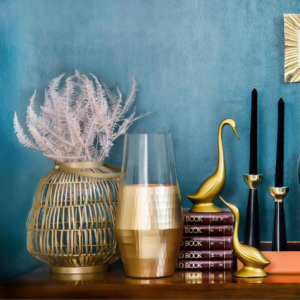
Contrary to the belief that handicrafts are outdated, they are finding renewed relevance in today’s digital and design-driven world.
1. Rise of Conscious Consumerism
Modern consumers increasingly value sustainability, authenticity, and ethical production. Handmade products align perfectly with these values.
2. E-commerce and Social Media
Digital platforms have enabled artisans to reach global audiences directly. Online marketplaces, social media storytelling, and brand collaborations have transformed how handicrafts are marketed and perceived.
3. Fusion of Tradition and Contemporary Design
Designers are blending traditional crafts with modern aesthetics, making handicrafts relevant for urban homes, fashion, and lifestyle products.
Sustainability and Environmental Value
Indian handicrafts are inherently eco-friendly. They use natural materials, traditional tools, and low-energy processes, making them a sustainable alternative to mass-produced goods.
By choosing handicrafts, consumers support:
- Reduced carbon footprint
- Minimal waste
- Use of renewable resources
In an era of climate consciousness, handicrafts offer lessons in responsible production and consumption.
Challenges Faced by Indian Handicrafts
Despite their importance, Indian handicrafts face several challenges:
- Competition from cheap, machine-made products
- Declining interest among younger generations of artisans
- Limited access to capital, technology, and markets
Addressing these challenges requires policy support, education, innovation, and active consumer participation.
Role of Platforms like IndianHandicraftStore
Platforms such as IndianHandicraftStore play a vital role in bridging the gap between artisans and consumers. By offering curated collections, fair pricing, and digital visibility, such platforms ensure that crafts remain economically viable and culturally relevant.
They also educate consumers about the stories behind products, fostering emotional connections and informed purchasing decisions.
Conclusion: Preserving Heritage, Empowering the Future
Indian handicrafts are not relics of the past—they are dynamic expressions of living heritage. They embody history, creativity, sustainability, and human connection. In supporting handicrafts, we do more than decorate our homes or wardrobes; we preserve traditions, empower artisans, and uphold values that modern society urgently needs.
As India moves forward on the global stage, its handicrafts remain powerful ambassadors of its cultural richness. By embracing handmade, we honor our roots while crafting a more ethical, inclusive, and culturally vibrant future.
Indian handicrafts are not just made by hands—they are made by history, culture, and heart.
Author: Rishaank Rao