

A Story, Not Just a Product
Imagine holding a beautifully painted ceramic bowl in your hands. At first glance, it is just décor. But behind it lies hours of effort, generations of skill, and the life of an artisan who has mastered this craft through tradition, not machines.
Indian handicrafts are more than objects — they are living stories. Each piece carries the culture, history, and emotion of the artisan who created it. In today’s world of fast fashion and mass production, these handmade treasures remind us of authenticity, sustainability, and human connection.
As people become more conscious about what they buy, Indian handicrafts are finding a special place in modern homes, offices, and lifestyles. They are no longer just “traditional items” — they are now seen as sustainable luxury, meaningful décor, and ethical choices.
In this blog, we explore why Indian handicrafts are not only relevant today but are shaping the future of responsible and stylish living.
The Soul of Indian Handicrafts: Tradition with Meaning
Indian handicrafts are deeply rooted in centuries-old traditions. Every region of India has its own distinct craft — from Rajasthani block prints to Kashmiri embroidery, from Warli art in Maharashtra to metalwork in Moradabad.
What makes these crafts special is that they are not produced in factories. 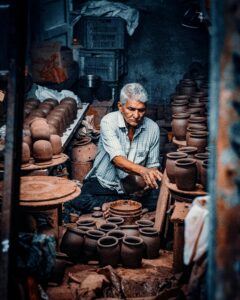 They are created with patience, skill, and heart.
Unlike machine-made products, each handcrafted item is unique. Even two items made by the same artisan will never be exactly the same — and that is the beauty of handmade art.
Today, designers and brands are blending these traditional techniques with modern aesthetics, making them relevant for urban homes and global markets.
Sustainability: Why Handicrafts Are Eco-Friendly
One of the strongest reasons for the rising popularity of Indian handicrafts is sustainability.
Most handicrafts are made using natural and biodegradable materials such as:
- Clay
- Bamboo
- Jute
- Cotton
- Wood
- Natural dyes
This means they have a much lower environmental impact compared to plastic or factory-made goods.
In a world facing climate change, buying handcrafted products is not just a style choice — it is an environmentally responsible decision.
When you buy a handcrafted item, you are choosing nature over pollution and tradition over mass production.
Empowering Artisans and Rural Communities
Every handicraft purchase supports real people, not machines.
Many artisans in India come from rural areas where craft is their primary source of livelihood. By promoting and selling their work, we help them earn a fair income, preserve their skills, and pass them on to future generations.
Women artisans, in particular, benefit greatly from handicraft work as it allows them to contribute financially while staying connected to their families and communities.
The handicraft store, through this capstone project, can position itself not just as a business — but as a platform for social impact and empowerment.
Indian Handicrafts in the Digital World
With social media and e-commerce, Indian handicrafts are no longer limited to local markets or exhibitions. They are now reaching customers worldwide.
“A bridge between traditional artisans and modern conscious consumers.”
The Future is Handmade
Indian handicrafts are not fading — they are evolving.
As more people seek sustainable, ethical, and meaningful products, handicrafts are becoming more valuable than ever. They bring warmth, culture, and soul into modern spaces.
This handicraft store has the power to transform how people see Indian crafts — not as old-fashioned items, but as timeless, stylish, and responsible choices.
By combining tradition with digital marketing, storytelling, and sustainability, the brand can truly make a difference.