

Introduction
Modern society is shaped by rapid technological advancement, automation, and large-scale industrial production. Products today are designed for convenience, speed, and quick consumption. As a result, mass-produced goods dominate the market. However, despite these changes, Indian handicrafts continue to remain relevant and valuable. They represent creativity, cultural heritage, and skilled craftsmanship that machines cannot replace. Indian handicrafts are more than decorative items; they are expressions of tradition and identity. This blog discusses the significance of Indian handicrafts in modern society and their importance in preserving culture, tradition, and livelihoods.
Handicrafts vs Machine-Made Products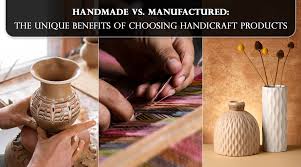
Factory-made products are manufactured quickly using machines and automated processes. These goods are identical in design, easily replaceable, and often lack originality and emotional value. Their primary focus is on quantity, speed, and profit.
In contrast, Indian handicrafts are created by skilled artisans using traditional techniques passed down through generations. Each handcrafted product is unique and reflects artistic excellence, cultural depth, and human effort. The time, patience, and creativity involved in making handicrafts give them a special value that machine-made products cannot offer.
Cultural Identity and Heritage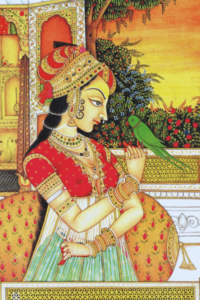
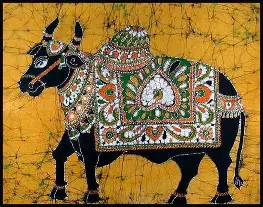
Indian handicrafts reflect the country’s rich cultural diversity and regional identity. Every state and community in India has its own traditional crafts that represent local history, beliefs, and lifestyles. Crafts such as Kalamkari paintings, Dokra metal art, Phulkari embroidery, Madhubani and Warli paintings, and handloom textiles showcase storytelling through art.
These crafts preserve India’s cultural heritage by keeping traditional knowledge alive. They connect the present generation with the past and ensure that cultural traditions are not lost in the modern age of industrialization.
Economic Importance and Employment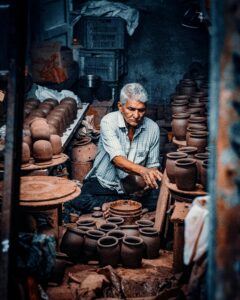
The handicraft sector plays a crucial role in India’s economy by providing employment to millions of artisans, especially in rural and tribal areas. Many families depend entirely on handicrafts for their livelihood. This sector promotes self-employment and skill-based work, reducing dependence on industrial and urban jobs.
By supporting handicrafts, rural economies are strengthened, migration to cities is reduced, and inclusive economic growth is encouraged. Handicrafts contribute significantly to income generation and economic stability for artisan communities.
Eco-Friendly and Sustainable Practices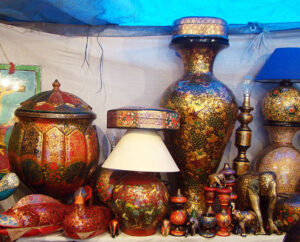
One of the major advantages of Indian handicrafts is their eco-friendly nature. Most handicrafts are made using natural raw materials such as clay, wood, cotton, silk, and metal. Traditional production methods consume less energy and generate minimal waste compared to industrial manufacturing.
In an era of increasing environmental concerns, handicrafts promote sustainable living and responsible consumption. Choosing handmade products supports environmentally friendly practices and helps reduce the negative impact of mass production on nature.
Emotional and Artistic Value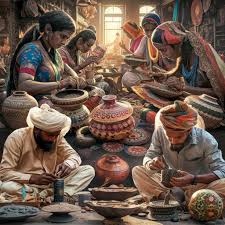
Handcrafted items carry stories, emotions, and the dedication of artisans. Each product reflects the artisan’s creativity, effort, and cultural background. Owning a handmade product creates a personal connection between the consumer and the maker.
Unlike disposable mass-produced goods, handicrafts are often treasured for a long time. Their emotional and artistic value makes them meaningful, unique, and irreplaceable.
Consumer Responsibility and Awareness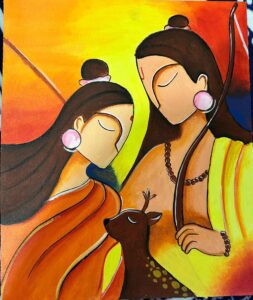
Consumers play a vital role in ensuring the survival of Indian handicrafts. By choosing handmade products over machine-made alternatives, consumers directly support local artisans and help preserve traditional crafts. Awareness about the value of handicrafts encourages responsible buying decisions.
Government initiatives, exhibitions, online platforms, and fair trade practices can further help promote handicrafts. However, consumer appreciation and demand are essential for the growth of the handicraft sector.
Conclusion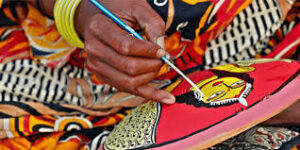
Indian handicrafts remain highly significant in modern society despite the dominance of mass production. They preserve cultural heritage, provide employment, promote sustainability, and create emotional and artistic value. Choosing handicrafts means choosing tradition, creativity, and responsible living. Supporting Indian handicrafts is not just an economic decision but a step towards preserving India’s rich cultural legacy for future generations.
Author – Bhavyanshu jain