Sikkim is a state in northeastern India, known for its stunning natural beauty and diverse culture. The handicrafts of Sikkim reflect the rich cultural heritage of the state and the craftsmanship of the local artisans.
The handicrafts of Sikkim reveal the incredible talents of its local artisans through several distinct features. Each piece demonstrates a mastery honed over generations, showcasing not only the preservation of traditional techniques but also the continuous enhancement of skills.
Refinement Over Time
Through the ages, Sikkimese craftsmen have meticulously refined their methods, incorporating intricate weaving and carving techniques. This evolution reflects an admirable commitment to both preserving and elevating their cultural heritage.
Diverse Crafting Methods
The artisans employ a diverse array of techniques to create stunning works of art. From weaving textiles with intricate patterns to carving wood with precise detail, their ability to adapt and innovate is evident in each creation.
Attention to Detail
The dedication to precision and detail is clear in every handcrafted item. Whether it’s a delicate thangka painting or a finely carved wooden box, the level of detail speaks volumes about their skills and devotion to the craft.
Innovation and Tradition
While rooted in tradition, Sikkimese handicrafts also embrace innovation. Artisans are not afraid to experiment with new materials and methods, continually pushing the boundaries of their art while honoring time-tested practices.
In essence, Sikkimese handicrafts are a testament to the skill and artistry of local artisans, blending tradition with innovation to create pieces that are both beautiful and culturally significant.
The government of Sikkim has embraced the vital role that handicrafts play in the state’s economy by launching several supportive initiatives aimed at preserving and promoting traditional arts.
Prominent Institutions
Government Institute of Cottage Industry
Established in 1957, this institute focuses on preserving and nurturing Sikkim’s rich artistic traditions. It features a dedicated space for selling a range of traditional handicrafts such as wooden masks, tables, carpets, and traditional bags—all emblematic of Sikkim’s cultural heritage. Conveniently located just 1 km from the Gangtok market, this venue attracts tourists eager to explore local crafts.
Directorate of Handicrafts and Handloom (DHH)
Originally set up as a training center for locals in traditional arts, this directorate has evolved into a significant hub for exquisite handicrafts and handlooms, including thangkas, furniture, and canvas wall hangings. With 32 branch training centers across Sikkim accommodating 388 trainees, the DHH focuses on equipping young artisans—aged 14 to 24—with the skills necessary to meet high crafting standards.
Goals and Objectives
The government not only aims to empower artisans with self-employment opportunities but also emphasizes an eco-friendly working environment. By promoting both prominent crafts like thangkas and lesser-known arts such as Lepcha Hat design, the initiatives underline a commitment to comprehensive cultural preservation.
Through these strategic efforts, the Sikkim government underscores its dedication to fostering a sustainable and culturally rich handicraft industry.
How Handicrafts Boost Tourism in Sikkim
Handicrafts are pivotal in elevating tourism in Sikkim by drawing in visitors with a keen interest in the region’s rich cultural heritage. These exceptional works of art serve as a magnet for tourists fascinated by Buddhism and the distinct traditions of Sikkim.
Engaging Tourist Interests
Visitors have the unique opportunity to observe artisans at work, allowing a glimpse into the intricate process of creating these remarkable items. This interactive experience captivates tourists, providing both education and entertainment, and enhances their overall travel experience.
Souvenirs with Stories
Furthermore, tourists often purchase these handicrafts as meaningful souvenirs, each carrying a story and essence of Sikkim‘s culture. This not only helps in spreading awareness about the local traditions but also serves as a keepsake of their journey, sparking interest among potential visitors.
Economic and Cultural Impact
The flourishing tourist interest directly benefits local artisans by increasing their income and promoting their craft on a global scale. As tourism grows, so does the spotlight on Sikkim‘s culture, fostering a symbiotic relationship between the two.
By intertwining art with travel, handicrafts offer a vibrant and authentic way to experience Sikkim, making them a cornerstone of the state’s tourism strategy.
Contributions of the Directorate of Handicrafts and Handloom to Sikkim‘s Craft Industry
The Directorate of Handicrafts and Handloom plays a pivotal role in nurturing and promoting Sikkim‘s rich craft heritage. Originally established as a hub for teaching traditional arts to locals, it has now evolved into a vibrant center for both preservation and innovation in handicrafts and handloom.
Craftsmanship and Training
A cornerstone of the Directorate’s efforts is its commitment to high-quality training. With a network of 32 branch centers across Sikkim, it has the capacity to train 388 individuals, typically targeting youth aged 14 to 24. These young artisans acquire the essential skills to produce exquisite items such as thangkas, carpets, and unique furniture, thereby ensuring that the age-old techniques are passed down through generations.
Sustainable Practices
Beyond just teaching craft, the Directorate emphasizes environment-friendly practices, fostering a culture of sustainability within the craft industry. This approach not only enhances the quality of the crafts but also ensures they are created with a minimal environmental footprint.
Broadening the Spectrum of Handicrafts
By not only showcasing well-known crafts like thangkas and carpets but also bringing attention to lesser-known traditional arts, such as the Lepcha Hat, the Directorate also enriches Sikkim‘s cultural offerings. This initiative allows a diverse range of crafts to flourish, ensuring that every facet of the region’s artistic expression is celebrated and preserved.
Economic Empowerment
The skills imparted at the Directorate equip trainees with the ability to achieve self-employment, empowering them to earn a livelihood while staying rooted in their communities. This economic empowerment fosters a thriving home-based industry, which significantly contributes to the local economy.
In summary, the Directorate of Handicrafts and Handloom is a linchpin in Sikkim‘s craft industry, promoting traditional skills, sustainable practices, and economic independence, thus ensuring that the beauty and diversity of Sikkim‘s handicrafts are cherished and continued for future generations.
The Economic Importance of Sikkimese Handicrafts
Handicrafts in Sikkim are more than just artistic expressions; they are deeply woven into the socioeconomic fabric of the state. Here’s why these crafts are vital to Sikkim’s economy:
A Lifeline for Local Livelihoods
For generations, the creation of handicrafts has been an essential skill passed down among families in Sikkim. This tradition is not merely cultural but serves as a crucial economic pillar. The skills and techniques involved require years of dedication to master, and for many artisans, these crafts become their primary source of income.
-
Economic Backbone: Craftsmanship is integral to the local economy, with artisans selling their products to tourists and at local markets.
-
Sustenance Through Sales: The sale of these unique items to visitors, particularly as souvenirs, provides consistent revenue, supporting families and communities.
Boosting Tourism and Cultural Appeal
Sikkim’s handicrafts are a magnet for tourists, drawing them with their intricate beauty and cultural significance. This attraction enhances the state’s appeal as a travel destination.
-
Cultural Tourists: Those interested in Buddhism and Sikkimese heritage find these crafts irresistible, contributing significantly to the tourism sector.
-
Live Demonstrations: The opportunity to witness the creation of these crafts enriches the visitor experience, encouraging further spending.
Tourism acts as a catalyst, not only fueling the local economy but also spreading awareness of Sikkim’s rich cultural traditions. This symbiotic relationship bolsters both the artisanal community and the broader economic landscape.
The Role of Art in Sikkim’s Daily Life
Art is an intrinsic part of daily life for the people of Sikkim, woven into their cultural and economic fabric. Handicrafts, in particular, symbolize the preservation of tradition through generations. They aren’t merely decorative objects but are essential to maintaining the cultural identity of the region.
Economic Backbone
Creating handicrafts is more than just a tradition; it’s a cornerstone of Sikkim’s economy. Many locals depend on these crafts for their livelihood. Years of rigorous training go into mastering these skills, enabling artisans to sell their products to tourists and at local markets. Monasteries and temples also participate, offering these crafts as souvenirs that support community income.
Cultural and Religious Significance
The religious significance of Sikkim’s handicrafts cannot be overstated. Items such as thangkas and prayer flags hold sacred value and reflect the area’s deep ties to Buddhism, which is the predominant faith. Artisans produce paintings and other art forms that depict deities and religious icons. These are used not only for worship but also to adorn temples and monasteries, thus fostering a tangible spiritual connection.
Preservation of Heritage
Art serves as a guardian of Sikkim‘s rich cultural heritage. By incorporating age-old designs and motifs into their work, artisans continue to tell stories from the past. Young people in Sikkim undergo intensive training in workshops and schools to acquire these crafting techniques, ensuring that traditional artistry is not lost to time.
Mastery and Innovation
The craftsmen of Sikkim stand out for their exceptional skills. Their dedication is evident in the meticulous details of their work. Over the centuries, they have innovated and refined their methods, creating intricate weavings and carvings that epitomize delicate craftsmanship.
Tourism and Cultural Exchange
Handicrafts also play a pivotal role in attracting tourists, who come to experience Sikkim’s unique culture and spiritual depth. Visitors are often captivated by the craftsmanship involved and take pieces home as mementos, further enhancing the local economy.
In essence, art in Sikkim is more than creative expression; it’s a way of life that supports the economy, preserves cultural integrity, and fosters a sense of community and belonging.
Sikkimese handicrafts are rich in religious values, playing a pivotal role in the spiritual and cultural landscape of the region. Many of these crafts, such as thangkas and prayer flags, hold sacred significance, intricately tied to the state’s predominant religion, Buddhism.
Icons of Faith and Worship
Artisans in Sikkim often depict deities, gods, and religious symbols in their creations. These intricate designs aren’t just for display; they serve as objects of prayer and adornment in monasteries and temples throughout the area. They are believed to be conduits for divine blessings and spiritual communion, reinforcing their religious importance.
Cultural Artifacts Carving Harmony
Beyond paintings, religious symbols are skillfully rendered in statues and figurines cast in metal. Whether displayed in homes or places of worship, these items are thought to bring good luck, peace, and harmony. This belief underlines the profound spiritual and cultural connection the people of Sikkim have with their artisanal crafts.
In essence, Sikkimese handicrafts are a beautiful blend of artistry and spirituality, embodying values of faith and harmony that are deeply revered by the community.
Discovering the Unique Allure of Sikkim, Northeastern India
Nestled in the lush embrace of northeastern India, Sikkim stands out as a unique place to call home. This small state captivates with its awe-inspiring landscapes, where verdant valleys meet towering mountains and dense forests give way to pristine lakes.
What truly sets Sikkim apart is its serene atmosphere. As the least populated state in India, Sikkim offers an unmatched tranquility that fosters both creativity and spirituality among its residents. This peaceful environment is the perfect backdrop for nurturing artistic expression, evident in the region’s exceptional handicrafts.
The rich biodiversity of Sikkim further enhances its unique charm. Home to a variety of endangered species, it presents nature enthusiasts with an unparalleled opportunity to connect with the wilderness.
In essence, Sikkim‘s blend of natural beauty, serene living, and vibrant artistry makes it a truly distinctive place to live in northeastern India.
The sparse population of Sikkim plays a pivotal role in shaping its unique cultural landscape. With fewer people inhabiting the area, the state enjoys an atmosphere of serenity and peace that deeply influences the daily life and practices of its residents.
This tranquility fosters a strong sense of creativity and nurtures spiritual growth among the community. The uncluttered environment allows for personal reflection and collective engagement with nature, which are fundamental aspects of Sikkimese culture.
Artists, writers, and spiritual seekers find inspiration in the tranquil surroundings, leading to a rich tapestry of cultural expressions that reflect the state’s harmony with its environment. Additionally, the close-knit nature of communities results in preserving traditional customs and strengthening communal bonds, further enriched by the peaceful backdrop.
Here are the top 10 sustainable handicrafts of Sikkim:
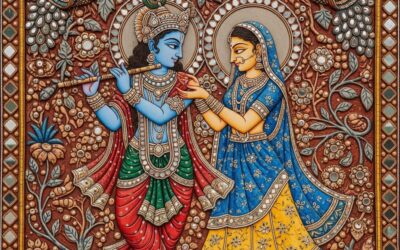
Thangka Paintings: Thangka paintings are traditional Tibetan Buddhist paintings on cotton or silk fabric, which are used for meditation and teaching purposes. The Thangka paintings of Sikkim are known for their intricate designs and vibrant colors.
Sikkim, a region deeply rooted in Tibetan Buddhism, regards these paintings as sacred. Thangkas often depict revered deities such as Buddha or Tara, along with other significant spiritual symbols. They serve as essential tools in religious practices, aiding in meditation and prayer.
Crafted with precision, these artworks are produced using natural dyes and sometimes even gold, applied with meticulous attention to detail. Once completed, a thangka undergoes a special ceremony conducted by a Buddhist priest, imbuing it with blessings and spiritual energy.
Traditionally found in monasteries and temples, thangkas have also been commercialized in recent times. This shift not only preserves the art but also supports the financial needs of Buddhist monasteries and temples, ensuring the continuation of this revered cultural practice.
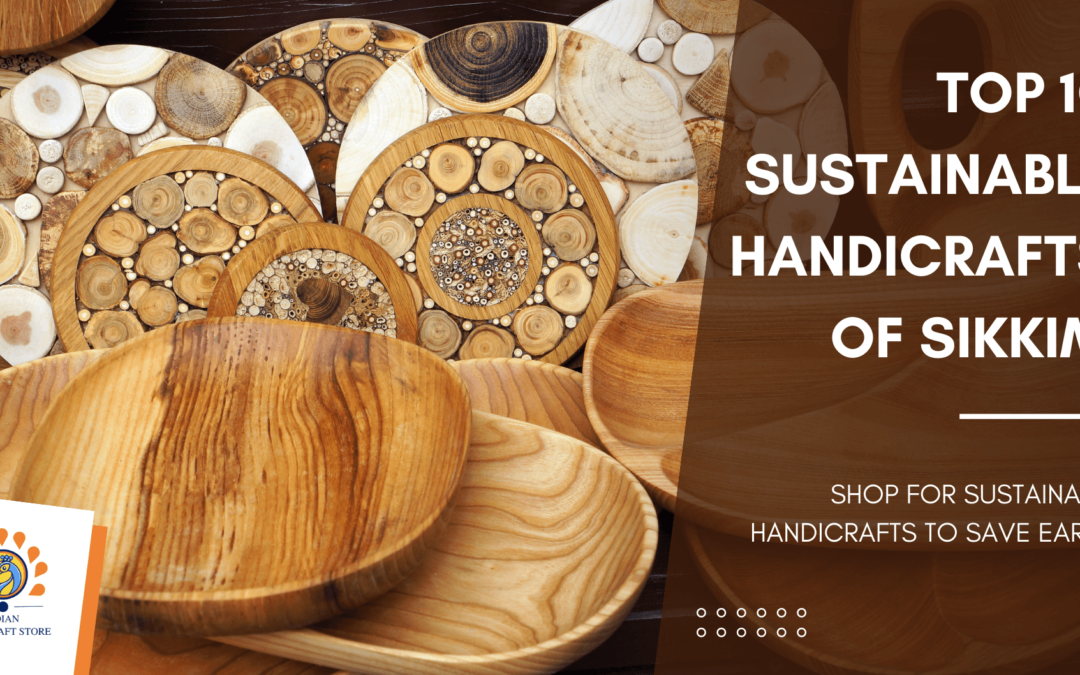
Wood Carving: Wood carving is a popular handicraft in Sikkim, and the artisans create beautiful sculptures, masks, and other decorative items from wood. The wood carvings of Sikkim reflect the local culture and traditions. The people of Sikkim excel in carving by showcasing remarkable skill and creativity. They work with different materials, such as wood and wax, transforming them into stunning artistic expressions. Their craftsmanship is evident in the intricate designs they produce, often using woods like walnut, maple, and pine, which lend themselves beautifully to detailed work.
One particular carving style, known as “Namthang,” highlights their expertise. This style involves crafting exquisite floral designs on wooden panels, a talent prominently displayed in the artistic adornments of local monasteries. Moreover, Sikkim‘s artisans are adept at creating intricate Buddhist icons and symbols, further demonstrating their exceptional abilities and the cultural significance of their work.
Their meticulous attention to detail and devotion to maintaining traditional techniques are what sets them apart in the realm of carving arts.
Handwoven Carpets and Rugs: Sikkim is known for its high-quality handwoven carpets and rugs, which are made from natural fibers like wool, silk, and cotton. These carpets and rugs are known for their durability and intricate designs.
The art of weaving in Sikkim is steeped in history, with local women being among the oldest and most skilled weavers globally. Each carpet tells a story, often featuring elaborate patterns such as dragons, floral motifs, Buddhist figurines, and geometrical designs.
Crafted from wool, these carpets boast impressive longevity, a testament to their high quality. The vibrant colors are achieved using local vegetable dyes, ensuring that each piece is as unique as it is sustainable.
What truly sets Sikkimese carpets apart is their method of creation. They are meticulously hand-woven on a frame loom, a process that demands patience and precision, reflecting the dedication and craftsmanship of the artisans.
Whether you’re drawn to their aesthetic beauty or intrigued by their cultural significance, these carpets and rugs are more than just decorative pieces; they are a slice of Sikkim‘s rich heritage and artistry.
Handmade Paper: Handmade paper is an eco-friendly and sustainable alternative to machine-made paper, and the artisans of Sikkim create beautiful handmade paper products like notebooks, envelopes, and gift bags.
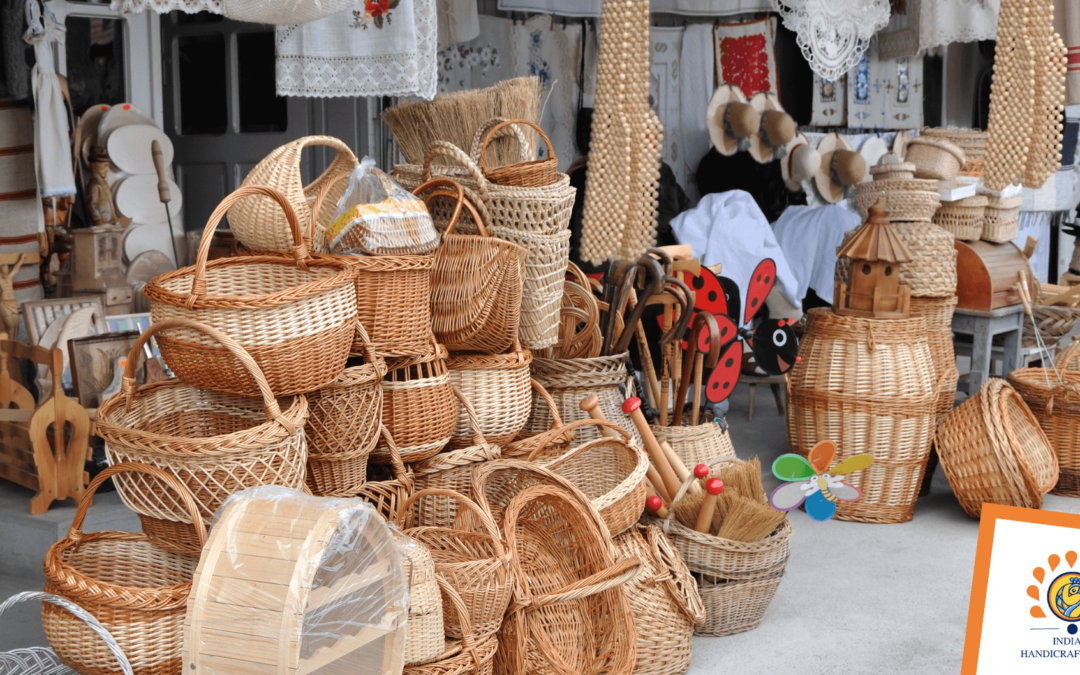
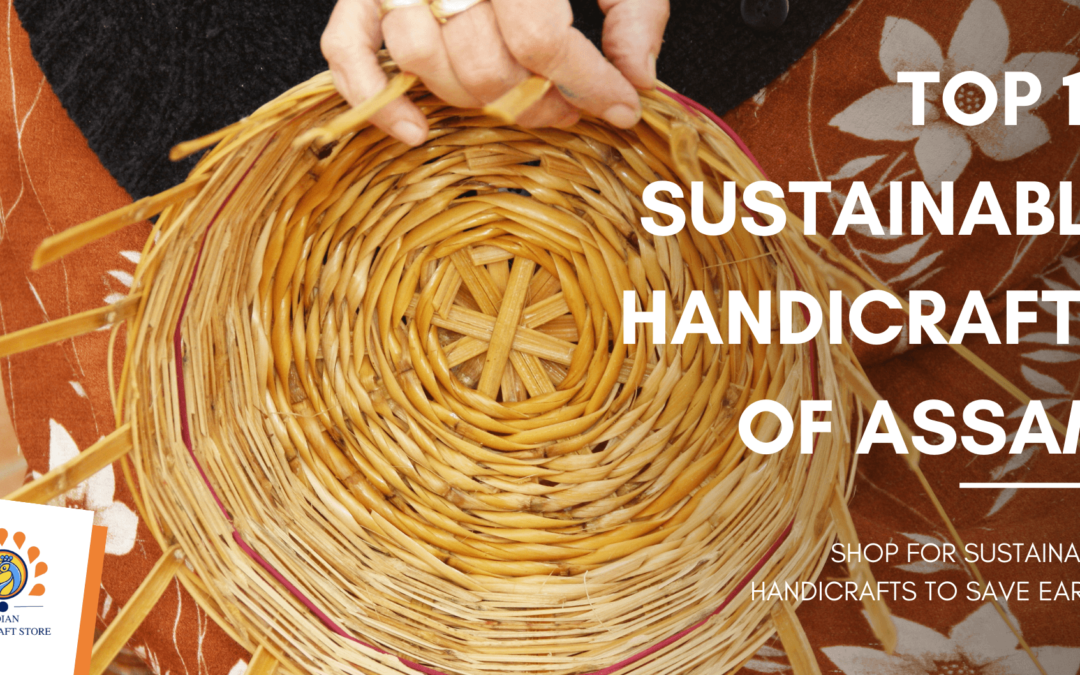
Bamboo Crafts: Bamboo is a versatile and sustainable material, and the artisans of Sikkim create a wide range of bamboo crafts like baskets, lampshades, and furniture. These bamboo crafts are known for their durability and natural beauty.
In Sikkim, bamboo and cane are not just materials—they are integral to the cultural and economic fabric of the region. Local artisans skillfully transform these eco-friendly resources into everyday essentials and artistic creations. The impressive variety includes:
-
Furniture and Tools: Bamboo serves as a sturdy foundation for furniture construction and agricultural tools, offering a sustainable alternative to conventional materials.
-
Decorative Items: From decorative flowers to picture frames, these crafts add elegance and charm to any home.
-
Tourist Favorites: Items like flower vases, hair clips, beer mugs, and fruit baskets are particularly popular among tourists, boosting the local economy.
The Sikkimese people have long embraced bamboo and cane, not only for their practicality but also for their rapid renewability. As the fastest-growing plant on earth, bamboo provides endless possibilities for artisans, ensuring that these traditional crafts continue to thrive and captivate both locals and visitors alike.
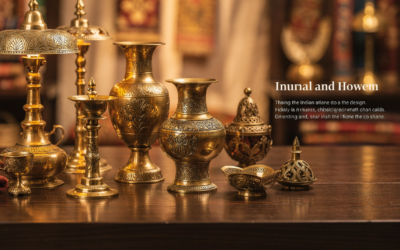
Metal Crafts: Metal crafts like brass and copper utensils, jewelry, and decorative items are popular in Sikkim. The artisans use traditional techniques like hammering and etching to create intricate designs on the metal.
Sikkimese craftsmen are renowned for their skill in creating stunning metalwork that serves both decorative and practical purposes. They incorporate metals into various applications, such as lamps, daily utensils, and elaborate decorations. One of the most intriguing aspects of their craft is the creation of Buddhist figurines using copper.
Unique Crafting Process
The process begins with the artisans carving intricate designs onto wax, from which they take an impression. Into this impression, they pour liquid copper, allowing it to solidify and form the figurines. This meticulous method ensures that each piece is unique and detailed, capturing the essence of Sikkimese artistry.
Distinctive Features
What sets these figurines apart is their Mongolian features, a characteristic that distinguishes them from other metalworks found across India. This distinctive element reflects the cultural influences prevalent in the region and adds a unique touch to each creation.
Finally, the figurines undergo a finishing process where they are polished and painted with vibrant colors, bringing each piece to life with exquisite detail. This blend of traditional techniques and cultural artistry makes Sikkimese metal crafts truly exceptional.
Handwoven Fabrics: Handwoven fabrics like cotton, silk, and wool are popular in Sikkim, and the artisans create beautiful shawls, stoles, and other garments using traditional weaving techniques.
Knitting and weaving are integral parts of Sikkim‘s cultural heritage, with skills passed down through generations. This craftsmanship is not just a livelihood but an art form, reflected in the vibrant and traditional designs that make these textiles unique and sought-after.
Among the most popular handicrafts are the woven textiles, particularly the “thara,” a specialty of Lepcha weavers. These artisans produce a wide array of products, including jackets, blankets, and bags. Beyond garments, their creativity extends to dolls, batiks, and leatherwork, showcasing the versatility of their skills.
Sikkimese weavers are also known for their commitment to sustainability. They skillfully recycle old woolen items into new creations, blending tradition with modern fashion trends while conserving resources. This eco-friendly approach not only enhances the appeal of their products but also reflects a deep respect for their environment.
Stone Carving: Stone carving is a traditional handicraft in Sikkim, and the artisans create beautiful sculptures, statues, and decorative items from local stones like marble and granite.
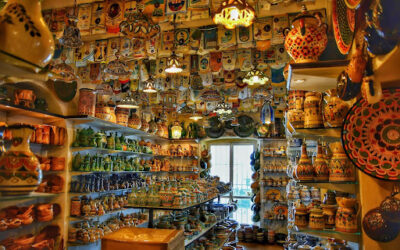
Pottery: Pottery is another popular handicraft in Sikkim, and the artisans create a wide range of ceramic and earthenware products like vases, bowls, and teapots.
Embroidery: Embroidery is a traditional handicraft in Sikkim, and the artisans use traditional techniques like chain stitch and cross-stitch to create intricate designs on fabrics like silk and cotton.
Where to Find Authentic Handicrafts in Sikkim
Visitors to Sikkim will find themselves surrounded by a vibrant array of locally crafted items. For those keen on purchasing authentic handicrafts, several key locations stand out:
-
MG Road, Gangtok
This bustling commercial center is a hotspot for diverse handicrafts. While exploring, it’s important to verify the authenticity of your finds to ensure you’re buying genuine Sikkimese craftsmanship.
-
Old Market, MG Marg
Known for its energetic atmosphere, this market offers a selection of Dogra jewelry and other crafts. Don’t forget to engage in a bit of bargaining to secure the best deals.
-
Buddha Park Shops
Visitors to Buddha Park can discover stunning handicrafts nestled within the local shops. These items make perfect souvenirs to take home.
-
Directorate of Handicrafts and Handloom (DHH)
This is a go-to destination for those seeking high-quality handicrafts. The DHH ensures that all items meet stringent quality standards, providing visitors with exquisite pieces that represent the rich cultural heritage of Sikkim.
Exploring these markets and centers not only offers an opportunity to support local artisans but also provides a deeper connection to the culture and traditions of Sikkim.
Understanding the Role of the Government Institute of Cottage Industry in Sikkim
The Government Institute of Cottage Industry, established in 1957, plays a pivotal role in preserving and advancing the arts and crafts of Sikkim. This esteemed institution stands as a guardian of traditional practices, ensuring that the intricate skills and unique cultural expressions continue to thrive in the region.
Preservation and Development of Craftsmanship
At its core, the institute is dedicated to maintaining Sikkim‘s rich heritage. It focuses on both the preservation and innovation of local handicrafts, providing a space where traditional techniques can flourish while embracing modernity. By nurturing these crafts, the institute helps sustain the cultural identity that is so deeply woven into the fabric of Sikkimese life.
Boosting Local Economy Through Tourism
Additionally, the institute contributes significantly to the local economy. It operates a section that sells a variety of handcrafted items, including wooden masks, tables, carpets, and traditional bags. These products are highly sought after by tourists, who are eager to take home a piece of Sikkim‘s cultural legacy. The institute, located just a kilometer from Gangtok‘s main market, attracts visitors who come not just to shop, but to appreciate the skilled artistry of local craftsmen.
In summary, the Government Institute of Cottage Industry is both a custodian of cultural heritage and a driver of economic growth, ensuring that Sikkim’s traditional crafts continue to enchant and educate both locals and visitors alike.
The handicrafts of Sikkim are a testament to the rich cultural heritage and artistic traditions of the state. The local artisans use sustainable and eco-friendly materials to create beautiful and functional handicrafts that are a reflection of the natural beauty and diverse culture of Sikkim.