by IHS | Jan 19, 2026 | blog
Introduction
Modern society is shaped by rapid technological advancement, automation, and large-scale industrial production. Products today are designed for convenience, speed, and quick consumption. As a result, mass-produced goods dominate the market. However, despite these changes, Indian handicrafts continue to remain relevant and valuable. They represent creativity, cultural heritage, and skilled craftsmanship that machines cannot replace. Indian handicrafts are more than decorative items; they are expressions of tradition and identity. This blog discusses the significance of Indian handicrafts in modern society and their importance in preserving culture, tradition, and livelihoods.
Handicrafts vs Machine-Made Products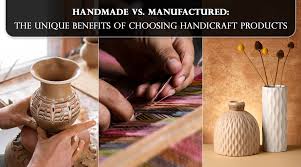
Factory-made products are manufactured quickly using machines and automated processes. These goods are identical in design, easily replaceable, and often lack originality and emotional value. Their primary focus is on quantity, speed, and profit.
In contrast, Indian handicrafts are created by skilled artisans using traditional techniques passed down through generations. Each handcrafted product is unique and reflects artistic excellence, cultural depth, and human effort. The time, patience, and creativity involved in making handicrafts give them a special value that machine-made products cannot offer.
Cultural Identity and Heritage
Indian handicrafts reflect the country’s rich cultural diversity and regional identity. Every state and community in India has its own traditional crafts that represent local history, beliefs, and lifestyles. Crafts such as Kalamkari paintings, Dokra metal art, Phulkari embroidery, Madhubani and Warli paintings, and handloom textiles showcase storytelling through art.
These crafts preserve India’s cultural heritage by keeping traditional knowledge alive. They connect the present generation with the past and ensure that cultural traditions are not lost in the modern age of industrialization.
Economic Importance and Employment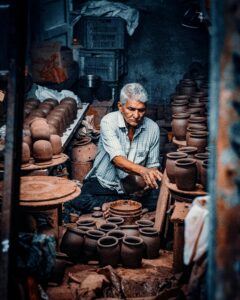
The handicraft sector plays a crucial role in India’s economy by providing employment to millions of artisans, especially in rural and tribal areas. Many families depend entirely on handicrafts for their livelihood. This sector promotes self-employment and skill-based work, reducing dependence on industrial and urban jobs.
By supporting handicrafts, rural economies are strengthened, migration to cities is reduced, and inclusive economic growth is encouraged. Handicrafts contribute significantly to income generation and economic stability for artisan communities.
Eco-Friendly and Sustainable Practices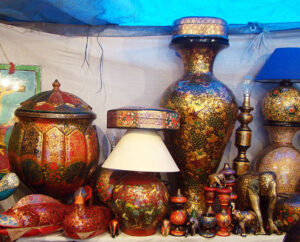
One of the major advantages of Indian handicrafts is their eco-friendly nature. Most handicrafts are made using natural raw materials such as clay, wood, cotton, silk, and metal. Traditional production methods consume less energy and generate minimal waste compared to industrial manufacturing.
In an era of increasing environmental concerns, handicrafts promote sustainable living and responsible consumption. Choosing handmade products supports environmentally friendly practices and helps reduce the negative impact of mass production on nature.
Emotional and Artistic Value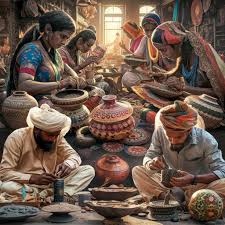
Handcrafted items carry stories, emotions, and the dedication of artisans. Each product reflects the artisan’s creativity, effort, and cultural background. Owning a handmade product creates a personal connection between the consumer and the maker.
Unlike disposable mass-produced goods, handicrafts are often treasured for a long time. Their emotional and artistic value makes them meaningful, unique, and irreplaceable.
Consumer Responsibility and Awareness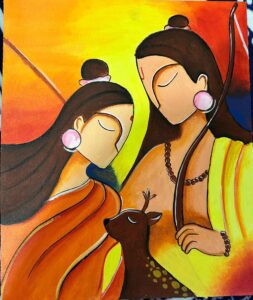
Consumers play a vital role in ensuring the survival of Indian handicrafts. By choosing handmade products over machine-made alternatives, consumers directly support local artisans and help preserve traditional crafts. Awareness about the value of handicrafts encourages responsible buying decisions.
Government initiatives, exhibitions, online platforms, and fair trade practices can further help promote handicrafts. However, consumer appreciation and demand are essential for the growth of the handicraft sector.
Conclusion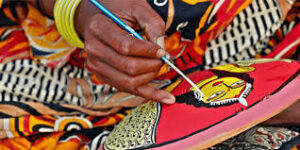
Indian handicrafts remain highly significant in modern society despite the dominance of mass production. They preserve cultural heritage, provide employment, promote sustainability, and create emotional and artistic value. Choosing handicrafts means choosing tradition, creativity, and responsible living. Supporting Indian handicrafts is not just an economic decision but a step towards preserving India’s rich cultural legacy for future generations.
Author – Bhavyanshu jain
by IHS | Jan 19, 2026 | blog
Author
Gungun Garg
PGDM 2024-2026
Maharaja Agrasen Business School
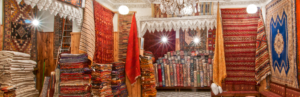
Have you ever looked at a handcrafted carpet and wondered how many hands, hours, and stories went into it? At IndianHandicraftStore, carpets aren’t just décor pieces they are living examples of India’s weaving legacy, quietly holding together tradition, livelihood, and modern design.
So, what really makes Indian carpets special? Let’s unravel the story, thread by thread.
More Than One Kind of Carpet—Do You Know Which One You’re Standing On?
Not all carpets are created the same, and understanding the difference changes how you value them.
Hand-knotted carpets are considered the gold standard. Each knot is tied by hand on a loom, sometimes taking months to complete a single piece. The finer the knot density (often measured in KPSI i.e. knots per square inch), the sharper the design and the longer the carpet lasts. These are often heirloom pieces, meant to age gracefully.
Then come hand-tufted carpets a more contemporary option. Here, artisans use tufting tools to punch yarn into a base fabric. The process is faster, the designs are bold, and the pricing is relatively accessible, making them popular for modern homes and export markets.
Flat-weave carpets and dhurries are lighter, reversible, and perfect for everyday living. No pile, no fuss—just clean geometry and timeless appeal.
And finally, embroidered or kilim-style carpets, often used as accent pieces, where design plays a stronger role than thickness.
Which one suits your home – the heirloom or the everyday luxury?
Thread Counts, Materials & the Details That Actually Matter
Ever heard someone say, “This carpet feels rich”? That feeling comes from what you can’t immediately see.
Most Indian carpets use natural wool, prized for durability and warmth. Silk or silk blends add sheen and intricate detailing, while cotton forms the backbone of the structure. Higher knot density doesn’t just mean better looks; it means better longevity.
And here’s a lesser-known fact: machine-made carpets can copy designs, but they cannot replicate the organic irregularity that gives handmade carpets their depth and character.
That slight imperfection? That’s authenticity.
Where Do India’s Finest Carpets Come From?
India’s carpet story is deeply regional.
Panipat is often called the carpet capital of India, known for hand-tufted and wool carpets produced at scale for global markets. Further east lies Bhadohi, the heart of hand-knotted carpets. Entire communities here depend on weaving skills passed down through generations, often within the same family.
These aren’t factories. They’re clusters of human expertise.
Artisans vs Machines: Is Handmade Still Relevant?
It’s a fair question in today’s fast world.
Machine-made carpets are efficient, consistent, and ideal for large commercial or hospitality projects. But when it comes to homes, luxury buyers still gravitate towards handmade pieces. Why? Because handmade carpets:
Carry cultural value
Support artisan livelihoods
Age better over time
Feel personal, not mass-produced
In fact, many export buyers now specifically demand handcrafted labels for premium collections.
Exports, Startups & the New Age of Indian Carpets
India remains one of the world’s largest carpet exporters but something interesting is changing.
New D2C startups and platforms like IndianHandicraftStore are working directly with artisans, removing middlemen and educating buyers about:
Why handmade costs more
How long a piece actually takes
Who made it and where
Transparency is becoming the new luxury.
So, Why Do Handwoven Carpets Still Matter?
In a world of fast interiors and disposable décor, handwoven carpets remind us to slow down. They represent patience, skill, and permanence. They’re not just meant to fill space—they’re meant to mean something.
Next time you step onto a handcrafted Indian carpet, ask yourself: Isn’t this more than just something under your feet?
At IndianHandicraftStore
We don’t just sell carpets. We help you bring home heritage, craftsmanship, and stories that last decades.
by IHS | Jan 19, 2026 | blog
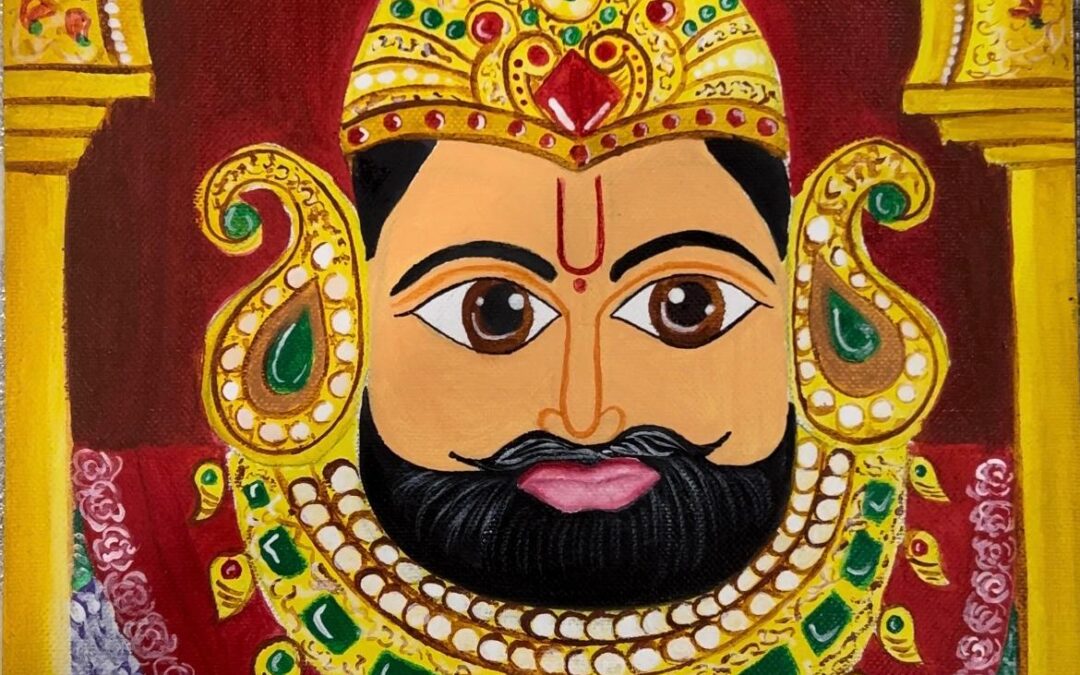
India’s cultural richness is deeply reflected in its handmade creations. Authentic Crafts represent centuries of tradition, skilled artistry, and regional identity. Each handcrafted product carries the story of an artisan, making it more than just an item—it becomes a piece of living heritage.
What Makes Crafts Truly Authentic?
Authentic Crafts are created using traditional techniques passed down through generations. These crafts are handmade, not mass-produced, and often use natural materials such as wood, clay, metal, cotton, silk, and natural dyes. The imperfections in handcrafted products are what make them unique and valuable.
The Importance of Authentic Crafts in Today’s World
In an era of machine-made products, Authentic Crafts stand out for their originality and sustainability. They support local artisan communities, promote ethical production, and reduce environmental impact. Choosing handcrafted products helps preserve ancient art forms that are at risk of disappearing.
Types of Authentic Crafts in India
1. Textile & Fabric Crafts
Handloom fabrics like Khadi, Ikat, Bandhani, and Chikankari are prime examples of Authentic Crafts. These textiles reflect regional craftsmanship and are celebrated for their durability and elegance.
2. Home Décor & Utility Crafts
Wooden carvings, brassware, terracotta items, and hand-painted pottery are widely recognized as Authentic Crafts. These pieces blend tradition with functionality and add cultural depth to modern homes.
3. Handcrafted Jewelry & Accessories
Tribal jewelry, silver ornaments, and beadwork showcase intricate detailing and cultural symbolism. Such creations highlight the beauty of Authentic Crafts and timeless design.
4. Art & Decorative Pieces
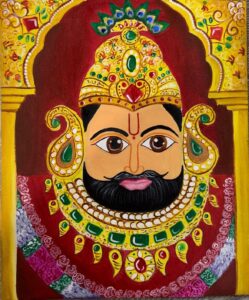
Madhubani paintings, Warli art, Pattachitra, and metal sculptures are celebrated Authentic Crafts that capture India’s storytelling tradition through visual art.
Why Choose Authentic Crafts?
Buying Authentic Crafts means investing in quality, heritage, and sustainability. Every purchase empowers artisans, keeps traditional skills alive, and promotes responsible consumption. These products are long-lasting, meaningful, and emotionally valuable.
Authentic Crafts for Gifting & Lifestyle
Authentic Crafts make thoughtful gifts for festivals, weddings, corporate events, and special occasions. Their uniqueness and cultural value make them ideal for people who appreciate originality and meaningful gifting.
Supporting Artisans Through Handicraft Stores
When you shop from a trusted handicraft store, you directly support the makers behind Authentic Crafts. Fair trade practices ensure artisans receive recognition and sustainable income, helping protect India’s artistic legacy.
By Harshita Gupta
by IHS | Jan 19, 2026 | blog
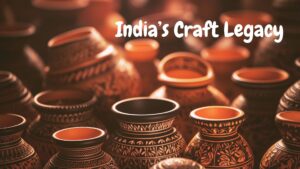
Introduction
In today’s fast-moving and technology-driven world, machines and factories dominate the production process. Most products are mass-produced to save time and reduce costs. While these goods are easily available and affordable, they often lack cultural depth and emotional value. In contrast, Indian handicrafts continue to stand as symbols of tradition, creativity, and human skill. These handicrafts reflect India’s rich heritage and artistic excellence. This blog discusses how Indian handicrafts preserve cultural heritage in a machine-driven world and why they remain important even today.
Growth of Mass Production and Its Impact
Mass production involves manufacturing goods on a large scale using machines and assembly lines. This method focuses on speed, uniformity, and profit. Although it has made products accessible to a large population, it has also reduced the importance of handmade items. Machine-made products are often identical, lack originality, and are designed for short-term use, leading to overconsumption and waste.
The growth of mass production has negatively affected traditional artisans, as their handmade products cannot compete with the low prices of factory goods. As a result, many traditional crafts face the risk of decline or extinction, threatening India’s cultural diversity.
Indian Handicrafts as Cultural Heritage
Indian handicrafts are deeply rooted in the history and culture of the country. Every region of India has its own unique crafts that represent local traditions, beliefs, and lifestyles. For example, Kashmiri carpets, Banarasi silk, Dokra metal craft, Madhu bani and Kalamkari paintings are well known for their artistic value and cultural meaning.
These crafts tell stories of India’s past, mythology, festivals, and daily life. They help preserve ancient techniques passed down through generations. Handicrafts act as living traditions that connect the present generation with its cultural roots.
Skill, Creativity, and Human Effort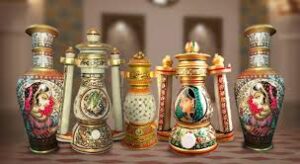
Handicrafts require a high level of skill, patience, and dedication. Artisans spend years learning and mastering their craft. Unlike machines, artisans put their creativity, emotions, and personal touch into every product. No two handcrafted items are exactly the same.
This human touch gives handicrafts a special value that machine-made products cannot offer. The time and effort involved in making handicrafts make them meaningful, unique, and long-lasting.
Economic Importance and Rural Employment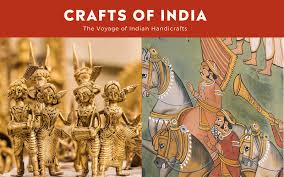
Indian handicrafts provide livelihood opportunities to millions of artisans, especially in rural and tribal areas. Many families depend entirely on handicraft production for their income. By supporting handicrafts, rural employment is strengthened and migration to urban areas is reduced.
Handicrafts promote self-employment and skill-based work, helping artisans become economically independent. This contributes to balanced and inclusive economic development.
Sustainability and Environmental Benefits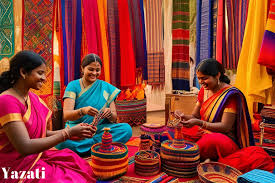
One of the major strengths of Indian handicrafts is their eco-friendly nature. Most handicrafts use natural raw materials such as clay, wood, cotton, silk, and metal. Traditional production methods consume less energy and produce minimal waste compared to factory manufacturing.
In an age of increasing environmental concerns, handicrafts offer a sustainable and responsible alternative to mass-produced goods.
Emotional Value and Human Connection
Handicrafts carry emotions, stories, and dedication of the artisans who create them. Owning a handcrafted product creates a personal connection between the consumer and the maker. Unlike machine-made goods that are easily replaced, handcrafted items are often cherished and valued for years.
This emotional value makes handicrafts more meaningful and special.
Role of Consumers in Preserving Handicrafts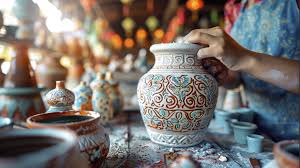
Consumers play a crucial role in preserving Indian handicrafts. By choosing handmade products, supporting local artisans, and promoting traditional crafts, consumers help keep these art forms alive. Small choices such as buying handloom fabrics, handmade décor, or traditional artwork can make a big difference.
Consumer awareness and appreciation are essential for the survival of the handicraft sector.
Conclusion
In a world dominated by machines and mass production, Indian handicrafts continue to preserve cultural heritage, creativity, and skilled craftsmanship. Supporting handicrafts means protecting tradition, empowering artisans, promoting sustainability, and valuing quality over quantity. Indian handicrafts are not just products; they are expressions of culture, history, and human effort that deserve recognition and support
Author
Nikita Tripathi – PG24109
by IHS | Jan 19, 2026 | blog
India has always been known for its rich heritage, diverse traditions, and exceptional craftsmanship. From intricate handwoven textiles to beautifully carved wooden artifacts, the Best Handicrafts In India reflect centuries of skill passed down through generations. Each product tells a story of culture, region, and the artisan behind it.
The Legacy of Indian Handicrafts
The Best Handicrafts In India are not just decorative items—they represent tradition, identity, and sustainability. Artisans across states like Rajasthan, Gujarat, West Bengal, Odisha, and Karnataka continue to preserve ancient techniques while adapting to modern design preferences. These crafts are deeply rooted in Indian history and are admired globally for their authenticity.

Types of Best Handicrafts In India
1. Handwoven Textiles
India is home to world-famous fabrics such as Banarasi silk, Chikankari, Ikat, and Kalamkari. These textiles are an essential part of the Best Handicrafts In India, combining elegance with cultural significance.
2. Wooden & Metal Crafts
From Saharanpur wood carvings to Dhokra metal art, these timeless pieces are among the Best Handicrafts In India. They add warmth and character to modern and traditional interiors alike.
3. Pottery & Terracotta
Handmade pottery and terracotta items reflect India’s rural artistry. These eco-friendly products are increasingly popular and are considered some of the Best Handicrafts In India for home décor.
4. Jewelry & Accessories
Tribal jewelry, meenakari work, and silver ornaments showcase intricate craftsmanship. These accessories form an important part of the Best Handicrafts In India, loved by both Indian and international buyers.
Why Choose the Best Handicrafts In India?
Choosing the Best Handicrafts In India means supporting local artisans and sustainable livelihoods. Unlike mass-produced goods, handicrafts are handmade with care, making each piece unique. They are eco-conscious, durable, and culturally rich—perfect for conscious consumers.
Handicrafts for Gifting & Home Décor
The Best Handicrafts In India make thoughtful gifts for weddings, festivals, and corporate occasions. Handcrafted décor items, wall art, lamps, and sculptures add elegance and authenticity to any space. Gifting handicrafts also reflects appreciation for Indian art and heritage.
Supporting Artisans Through Indian Handicraft Stores
When you shop from an authentic Indian handicraft store, you help preserve traditional art forms. Promoting the Best Handicrafts In India ensures artisans receive fair recognition and income for their work. Every purchase contributes to keeping India’s craft legacy alive.
By Ishank Chaudhary
by IHS | Jan 19, 2026 | blog
Introduction
In a world dominated by mass-produced
plastic, there is a growing desire to return to
our roots. Indian Handicraft Store was born
out of a passion for preserving India’s rich
artistic heritage while promoting an eco
friendly lifestyle. But why choose handmade
over factory-made? Let’s dive into how Indian
handicrafts are redefining modern home aesthetics.
1. The Beauty of Handcrafted Authenticity
Every piece in our collection tells a story. Unlike machine-made items,
handcrafted products carry the “soul” of the artisan. Whether it’s the
intricate patterns of Blue Pottery or the rustic charm of Terracotta,
these pieces add a unique character to your home that no assembly
line can replicate.
2. Sustainability at Its Core
Handicrafts are inherently “green.” Most Indian crafts use natural,
biodegradable materials like: Clay and Jute: Minimal carbon footprint,
Natural Dyes: Safe for your home and the environment, Zero
Electricity: Most techniques rely on manual skill rather than heavy
machinery.
3. Supporting Local Communities
When you shop at Indian Handicraft Store, you
aren’t just buying a product; you are supporting a
lineage of artisans. This helps keep ancient
traditions alive and ensures fair wages for rural
craftsmen, contributing to a circular and ethical economy. 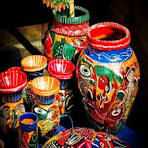
To choosing handicrafts is a conscious
decision to value quality over quantity. Ready to
transform your space with pieces that matter?
Explore our latest collection and bring a piece of
Indian heritage home
AUTHOR NAME – ISHA GARG24079